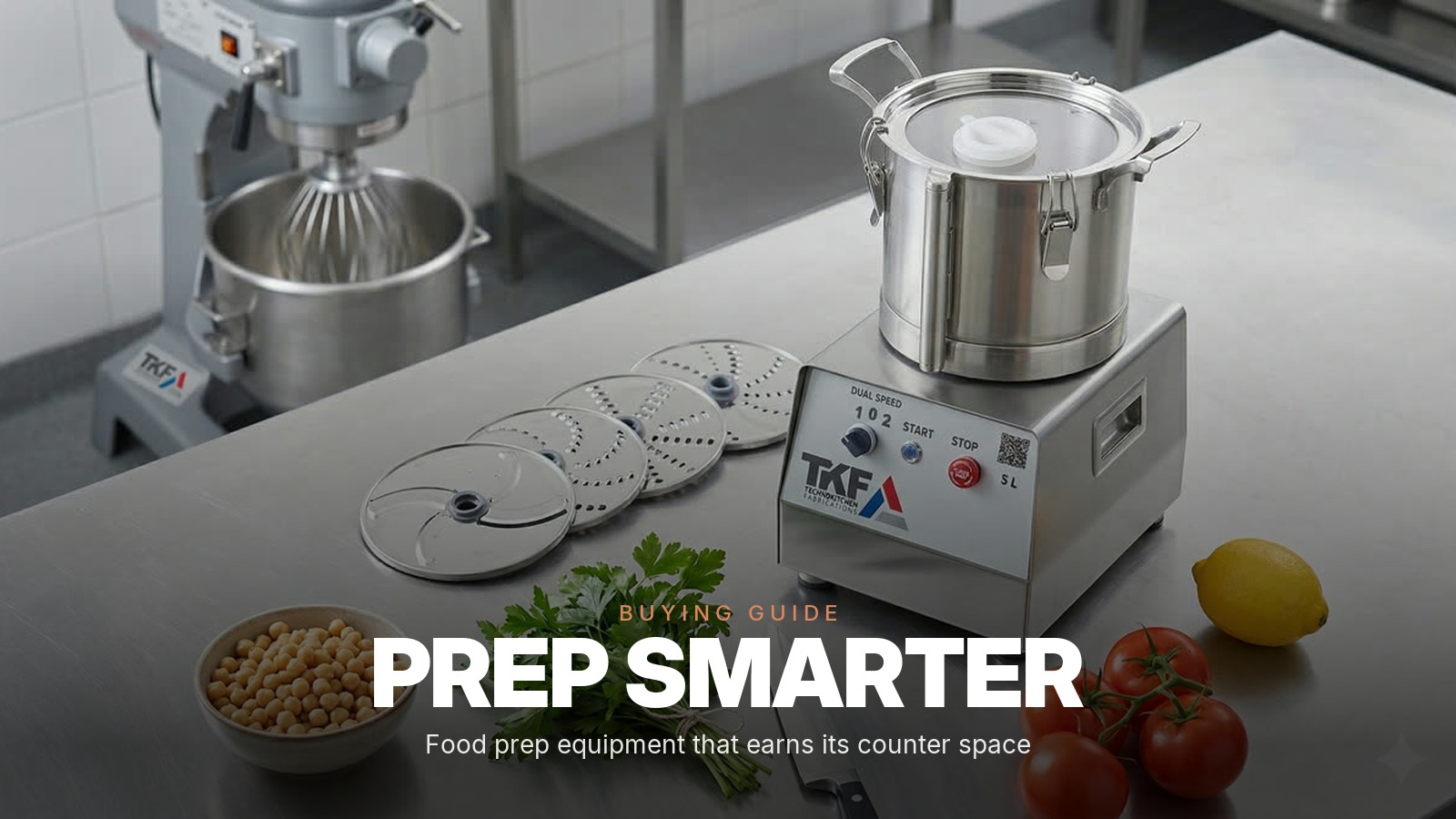
Why Food Prep Equipment Is the Backbone of Every Commercial Kitchen
Walk into any high-performing restaurant, hotel kitchen, or catering facility in Lebanon and you will notice something immediately: the prep area is where the real work happens. Before a single plate leaves the pass, hours of slicing, mixing, blending, and portioning have already taken place behind the scenes.
Yet food prep equipment is one of the most under-planned categories in new kitchen projects. Operators spend weeks choosing their cooking equipment — combi ovens, fryers, ranges — but rush through prep equipment decisions. The result? Bottlenecks during service, inconsistent cuts, wasted product, and staff injuries from manual work that a proper machine could handle in seconds.
At IPEC, we have been specifying and supplying commercial kitchens across Lebanon and the wider MENA region for over 45 years. In that time, we have learned that the right food prep equipment does not just save time — it shapes the quality, consistency, and profitability of your entire operation. This guide will walk you through exactly how to choose the right pieces for your kitchen.
Start with Your Menu, Not a Catalog
The single biggest mistake we see is buying food prep equipment based on what looks impressive rather than what your menu actually demands. A Lebanese mezza restaurant with heavy hummus, tabbouleh, and fattoush output has completely different prep needs than a hotel banquet kitchen or a cloud kitchen running multiple virtual brands.
Before you browse any food preparation equipment, sit down with your head chef and map out these four points:
- Volume per service: How many kilograms of vegetables, proteins, and doughs are processed daily?
- Repetitive tasks: What prep work is done every single day, and what is done weekly or seasonally?
- Peak-hour pressure: Where does your team fall behind during rush periods?
- Consistency requirements: Which dishes demand perfectly uniform cuts or textures for plating and portion control?
This menu-first approach ensures every piece of equipment you invest in solves a real operational problem, not a hypothetical one.
The Essential Food Prep Equipment Categories
Commercial food prep equipment covers a broad range, but most kitchens in Lebanon will draw from these core categories. Here is what each one does and who needs it most.
Food Processors
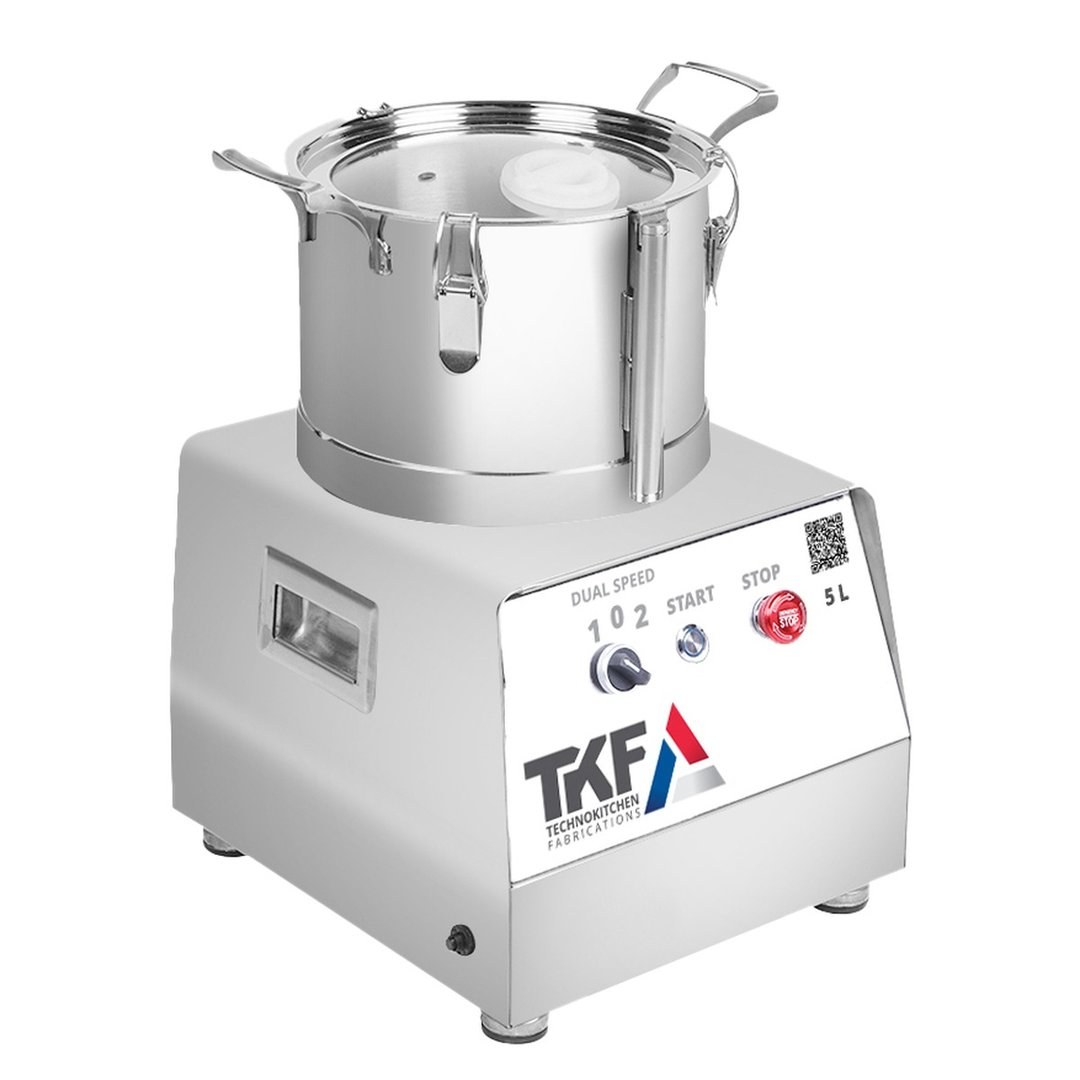
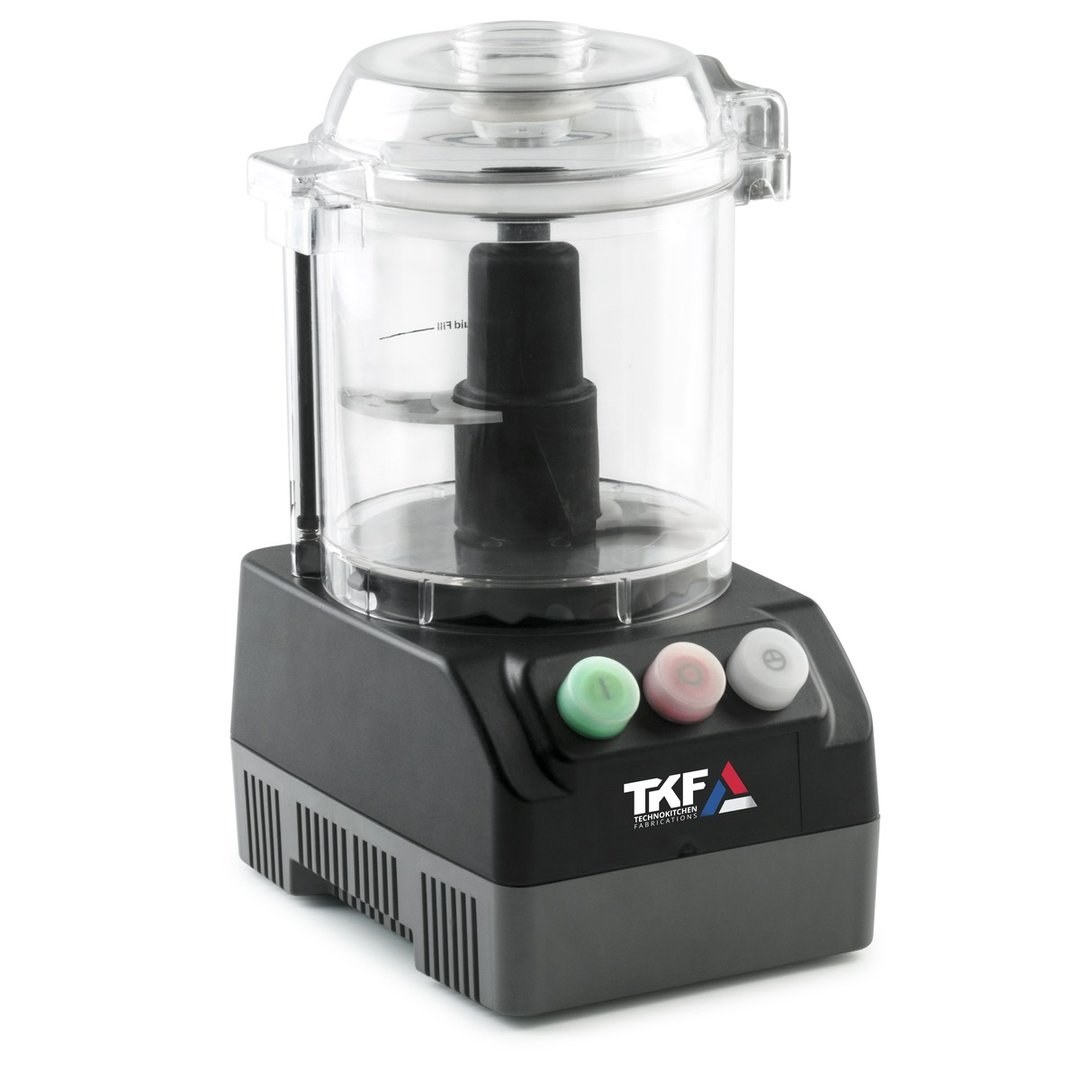
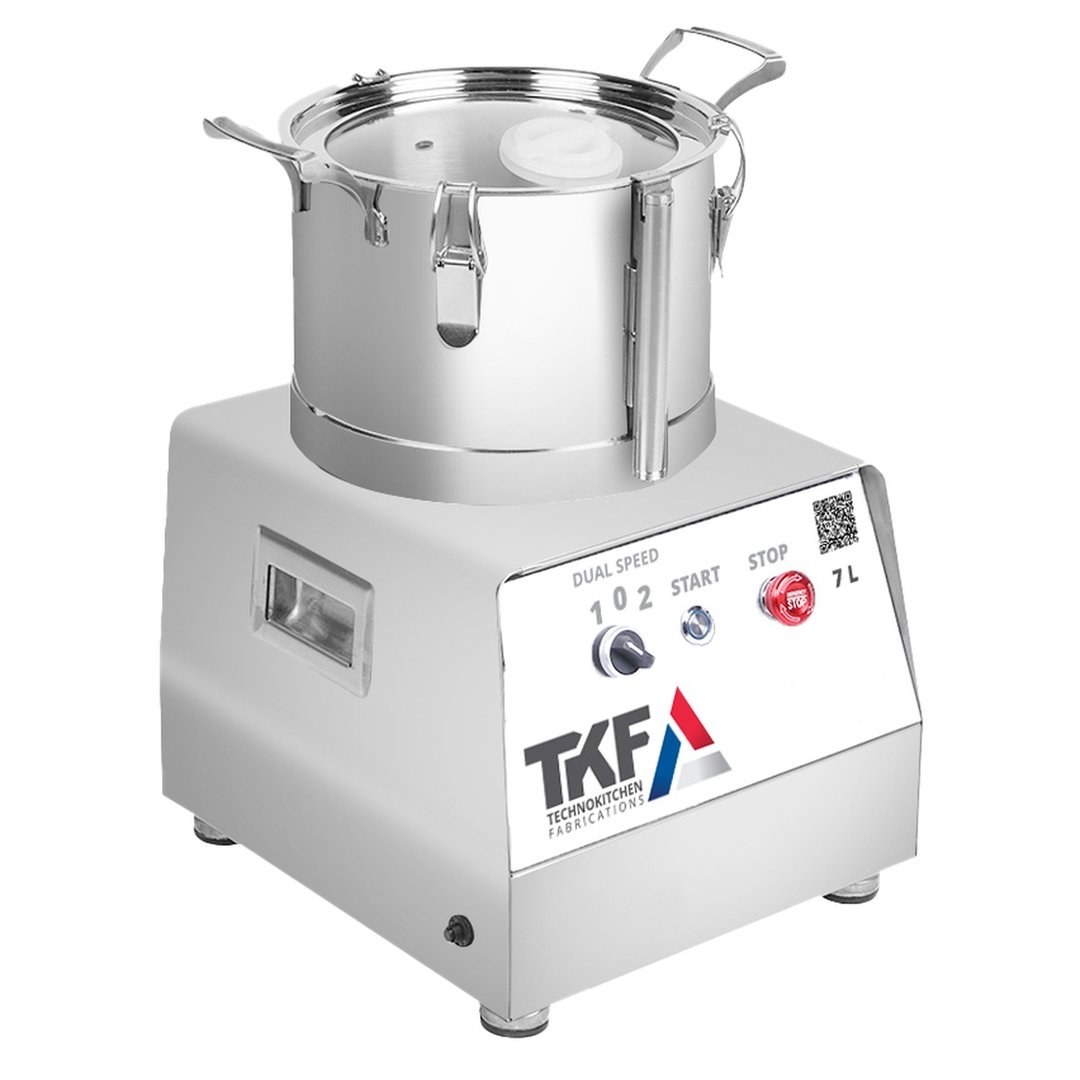
The workhorse of any prep station. A commercial food processor handles chopping, slicing, grating, pureeing, and emulsifying at scale. If your kitchen produces hummus, dips, sauces, or any high-volume vegetable prep, a quality food processor is non-negotiable.
What to look for:
- Bowl capacity: Ranges from 3.5L for small operations up to 15L and beyond for high-volume kitchens. Match capacity to your largest typical batch.
- Motor power: Look for 750W minimum for light-duty use and 1,100W or more for continuous heavy-duty processing of dense ingredients like chickpeas or root vegetables.
- Disc and blade options: The more interchangeable cutting discs included, the more versatile the machine. Ensure slicing, grating, and julienne discs are available.
- Construction: Full stainless steel bowls and housings resist corrosion in Lebanon's humid coastal climate far better than plastic alternatives.
Vegetable Slicers and Cutters
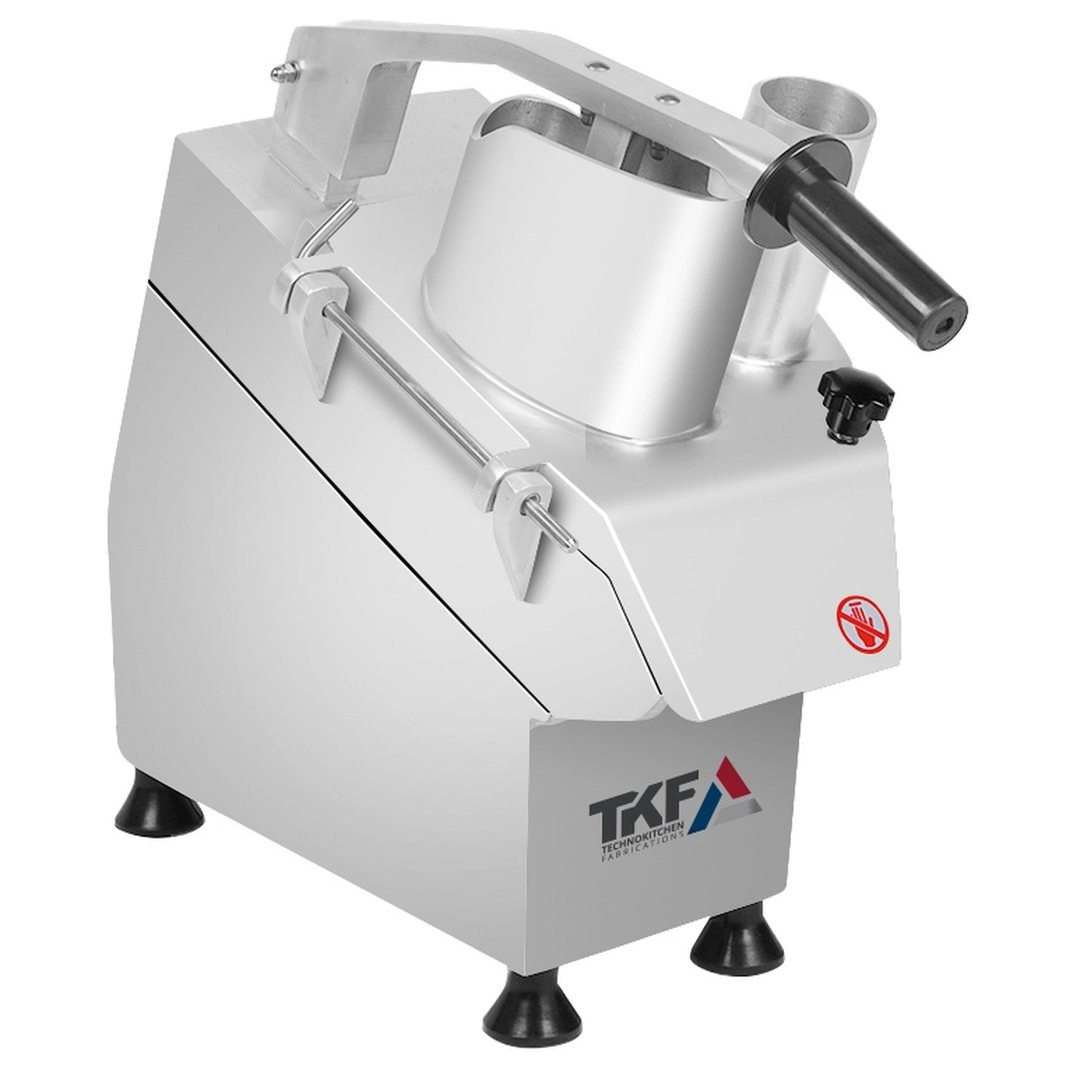
Dedicated vegetable slicers deliver the speed and uniformity that food processors alone cannot always achieve, particularly for high-volume salad prep, garnish work, and ingredient standardisation across multiple dishes.
For restaurants doing heavy Lebanese salad output — think fattoush, rocca salads, and tabbouleh by the kilo — a continuous-feed vegetable slicer with adjustable thickness settings is a genuine game-changer. Gravity-feed models suit medium-volume operations, while continuous-feed machines handle peak throughput for large hotels and catering kitchens.
Planetary Mixers
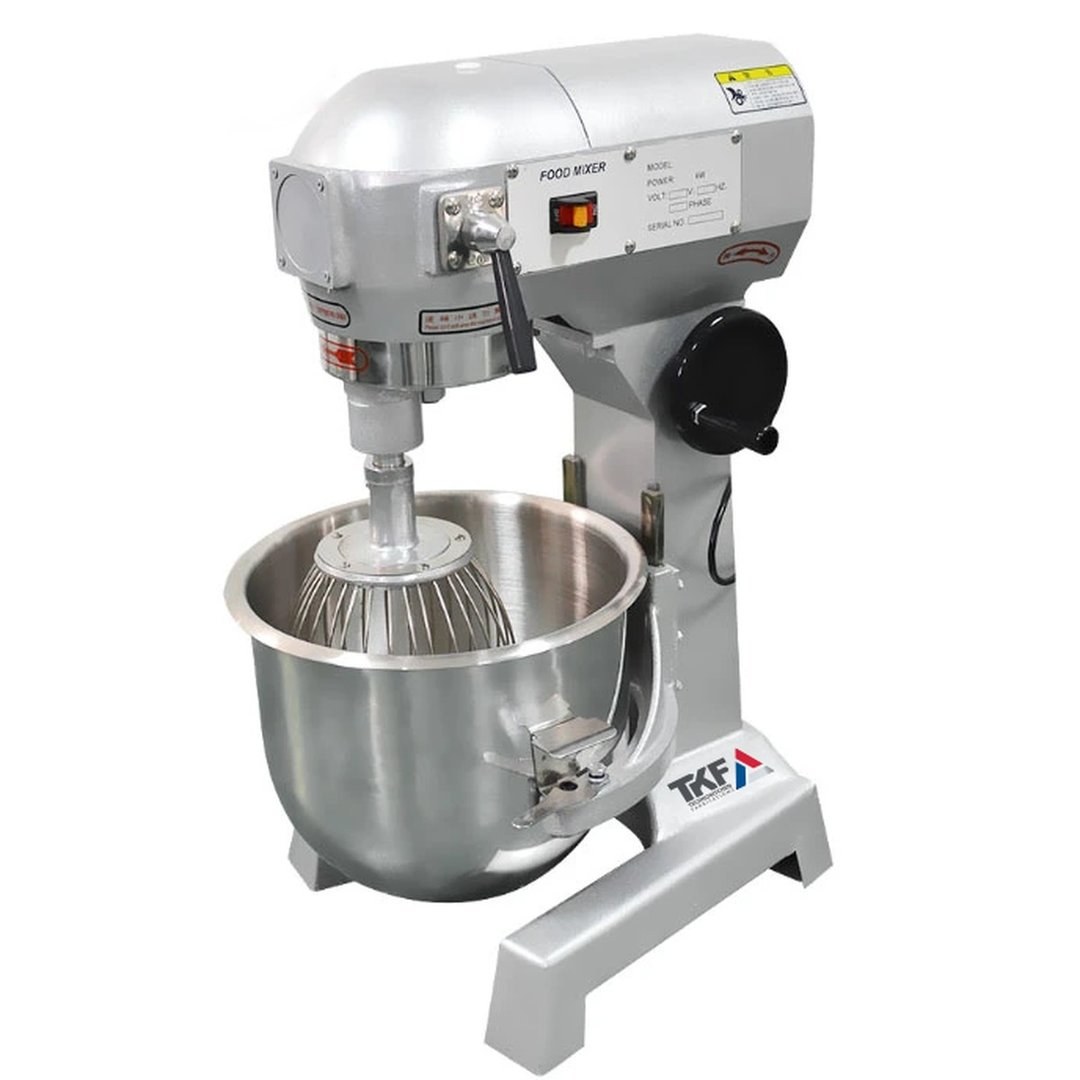
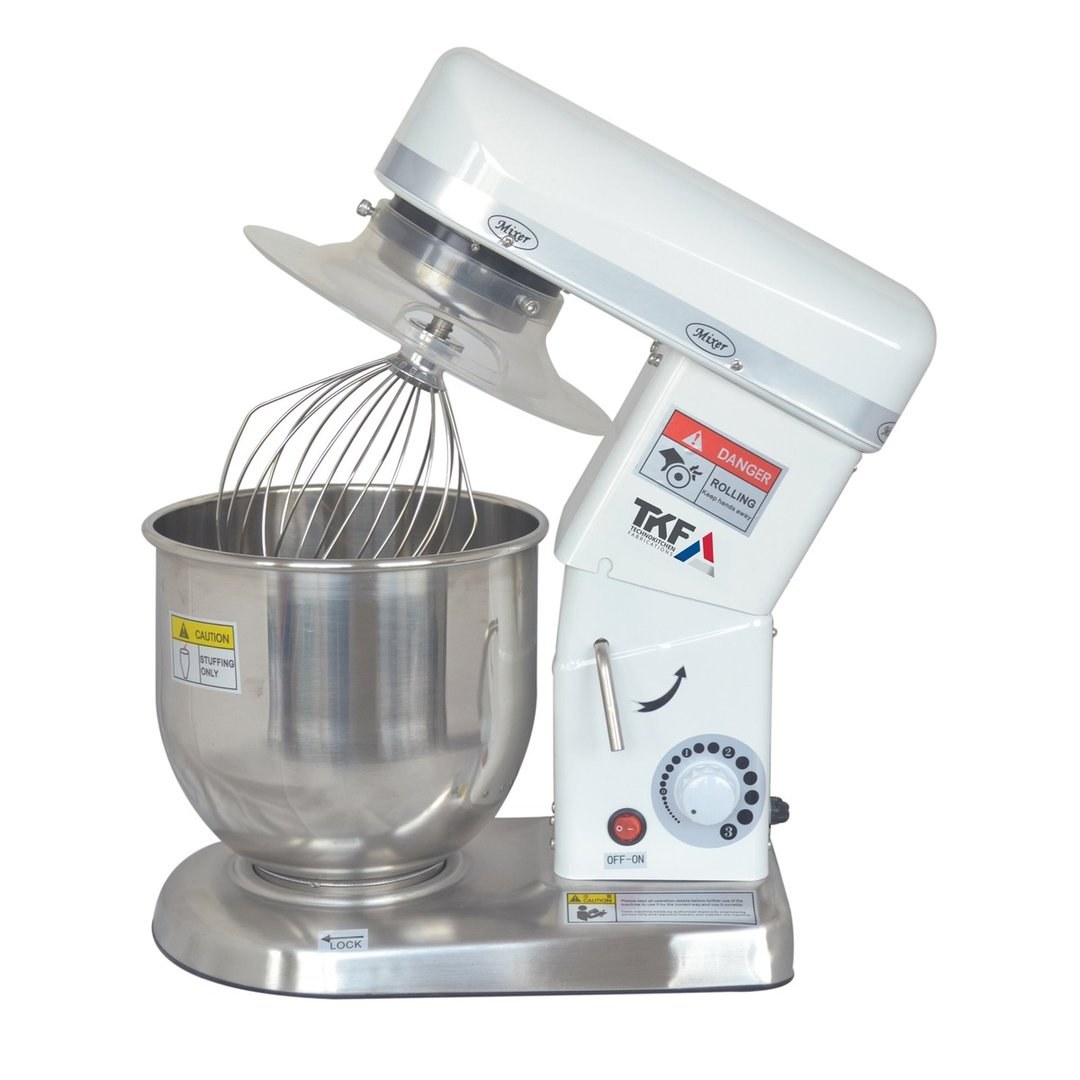
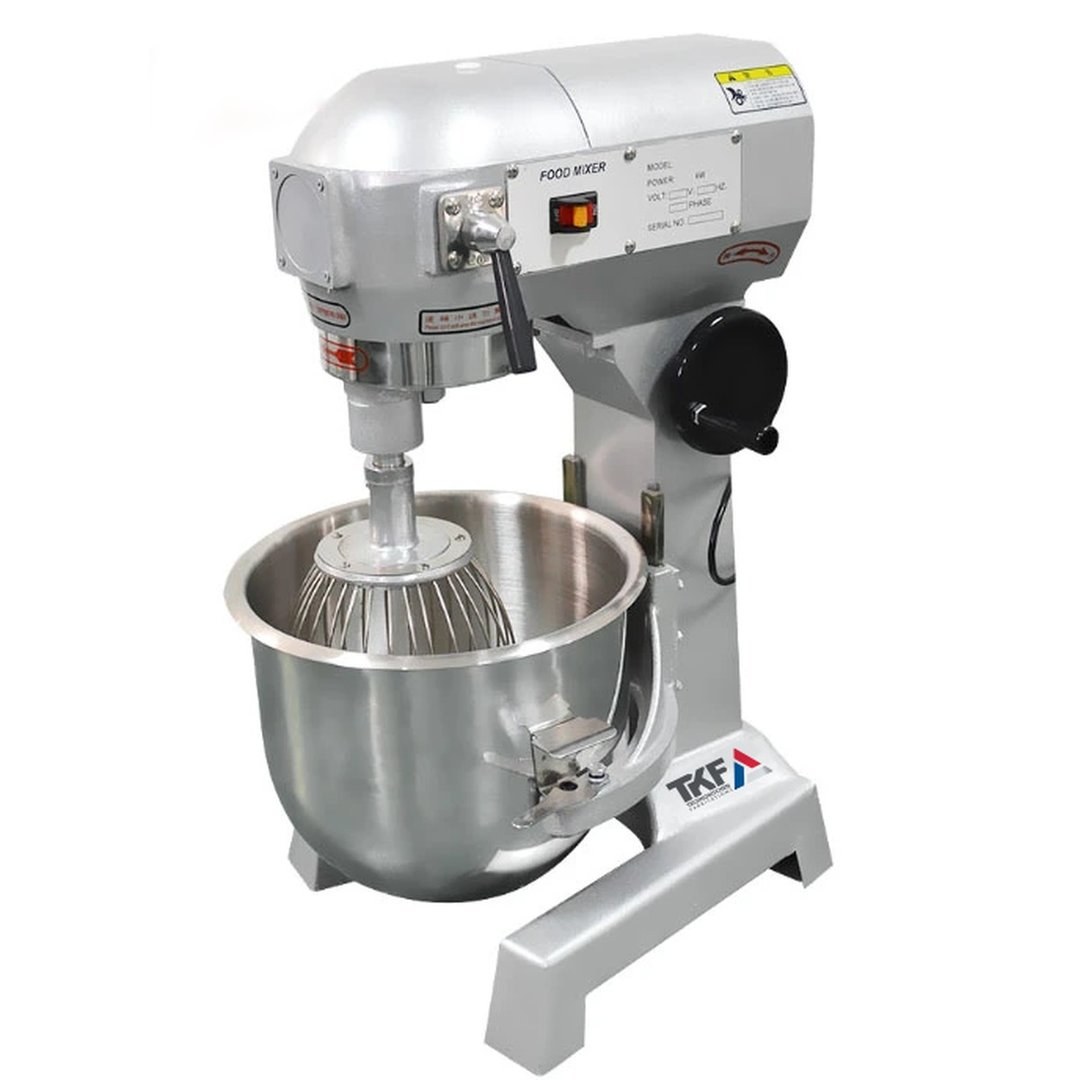
Planetary mixers are essential for bakeries, pastry sections, and any kitchen that produces doughs, batters, or whipped preparations in quantity. The planetary mixing action — where the attachment orbits the bowl while spinning on its own axis — ensures thorough, even mixing with minimal intervention.
Key specifications to evaluate:
- Bowl size: 10L for small bakeries and patisseries, 20 to 40L for medium operations, and 60L or above for industrial bakeries and large hotel pastry kitchens.
- Speed settings: A minimum of three speeds is standard. Variable-speed models give finer control for delicate meringues or stiff bread doughs.
- Included attachments: At minimum, you need a dough hook, flat beater, and wire whisk. Some models include optional meat grinder or pasta roller attachments for added versatility.
Meat Processing Equipment
Butchery and protein prep demand specialised tools. Meat slicers, mincers, and band saws each serve a specific purpose:
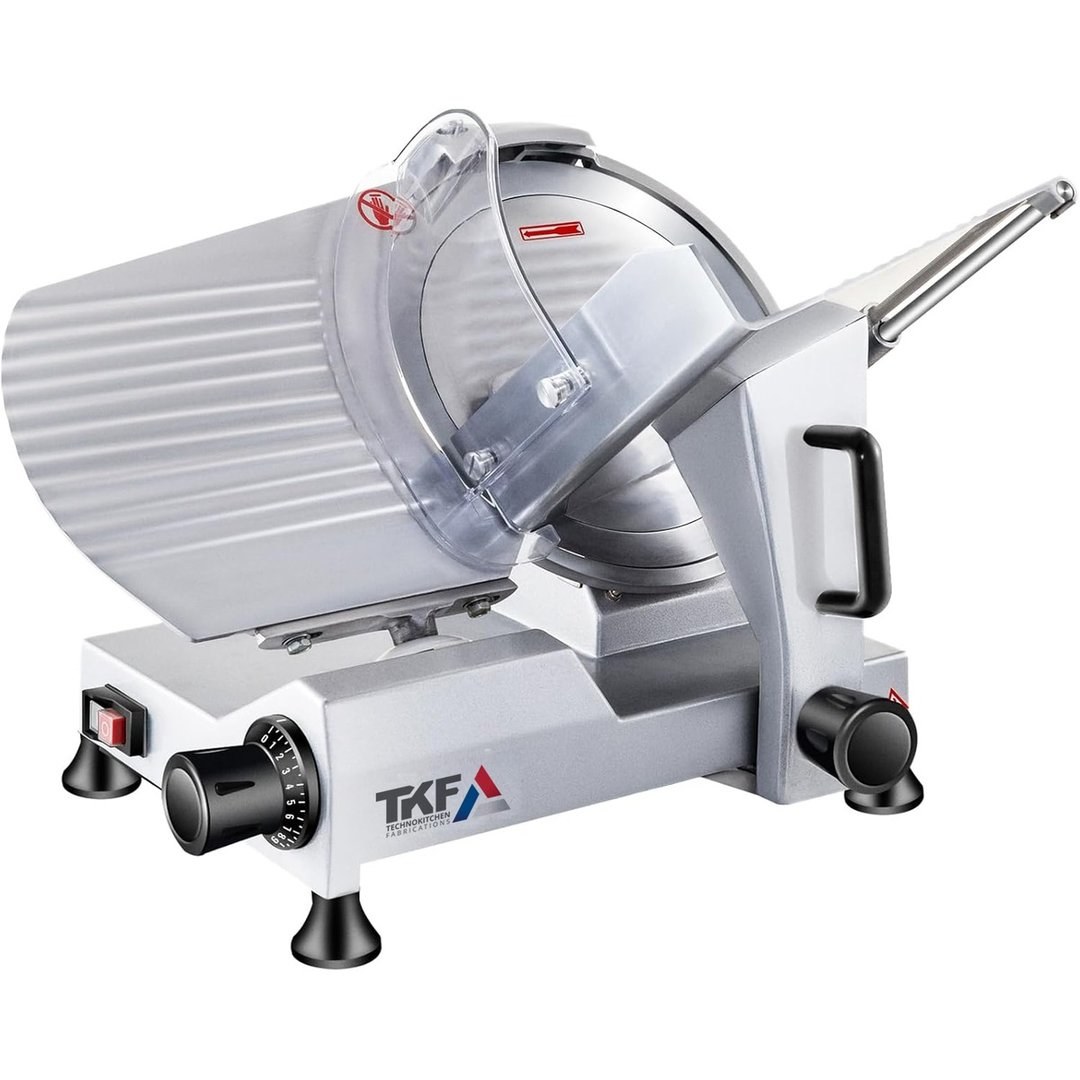
- Gravity slicers: Ideal for deli counters, shawarma restaurants, and hotel breakfast stations slicing charcuterie, cheese, and cooked meats.
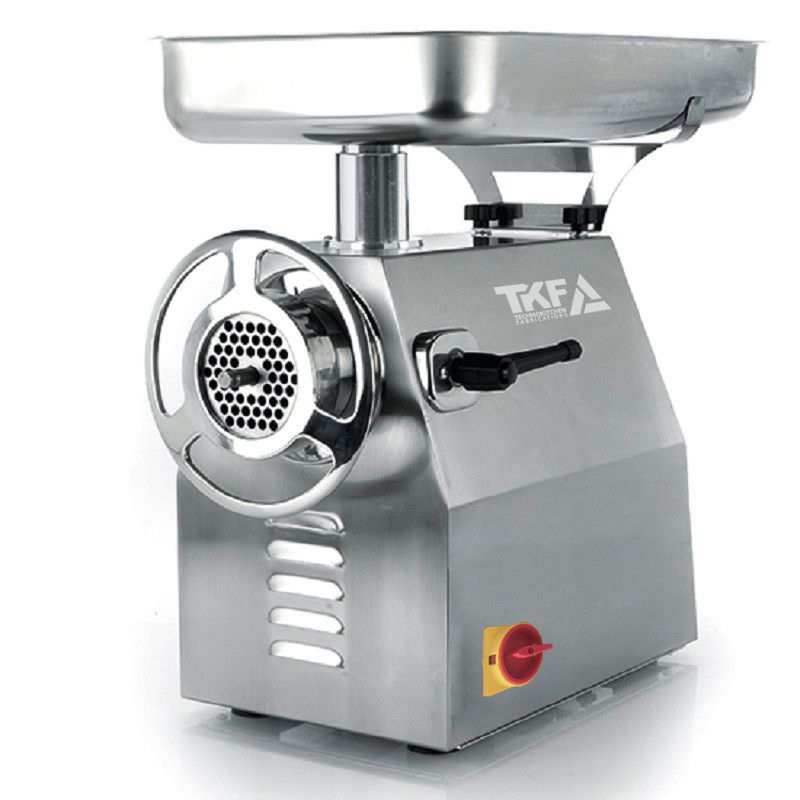
- Meat mincers: Essential for kitchens producing their own kafta, sausages, or burger patties. Choose based on hourly throughput in kilograms and grinding plate sizes.
- Band saws: For butchery operations handling whole carcasses and frozen product. Ensure adequate blade length and a solid safety guard system.
Blenders and Immersion Blenders
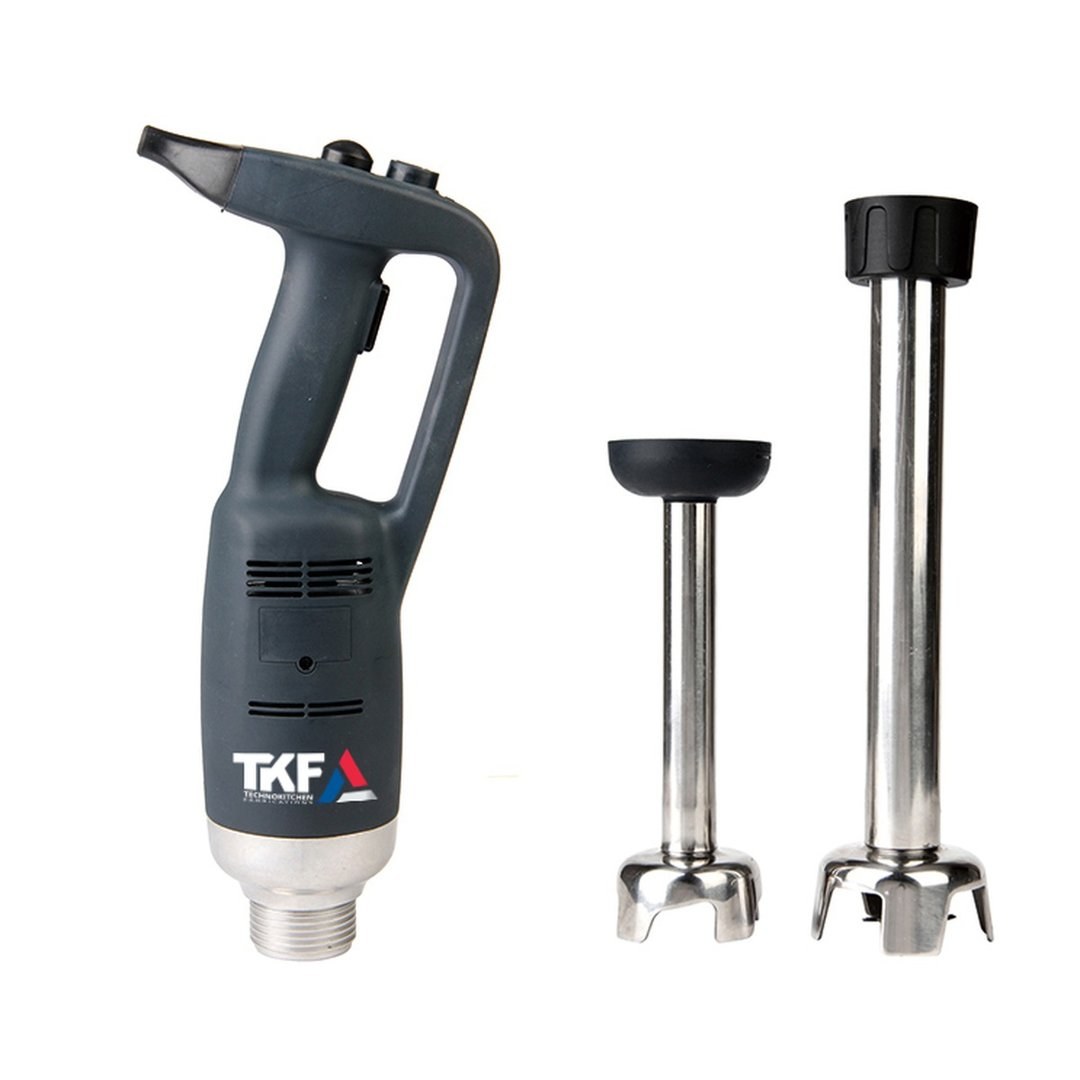
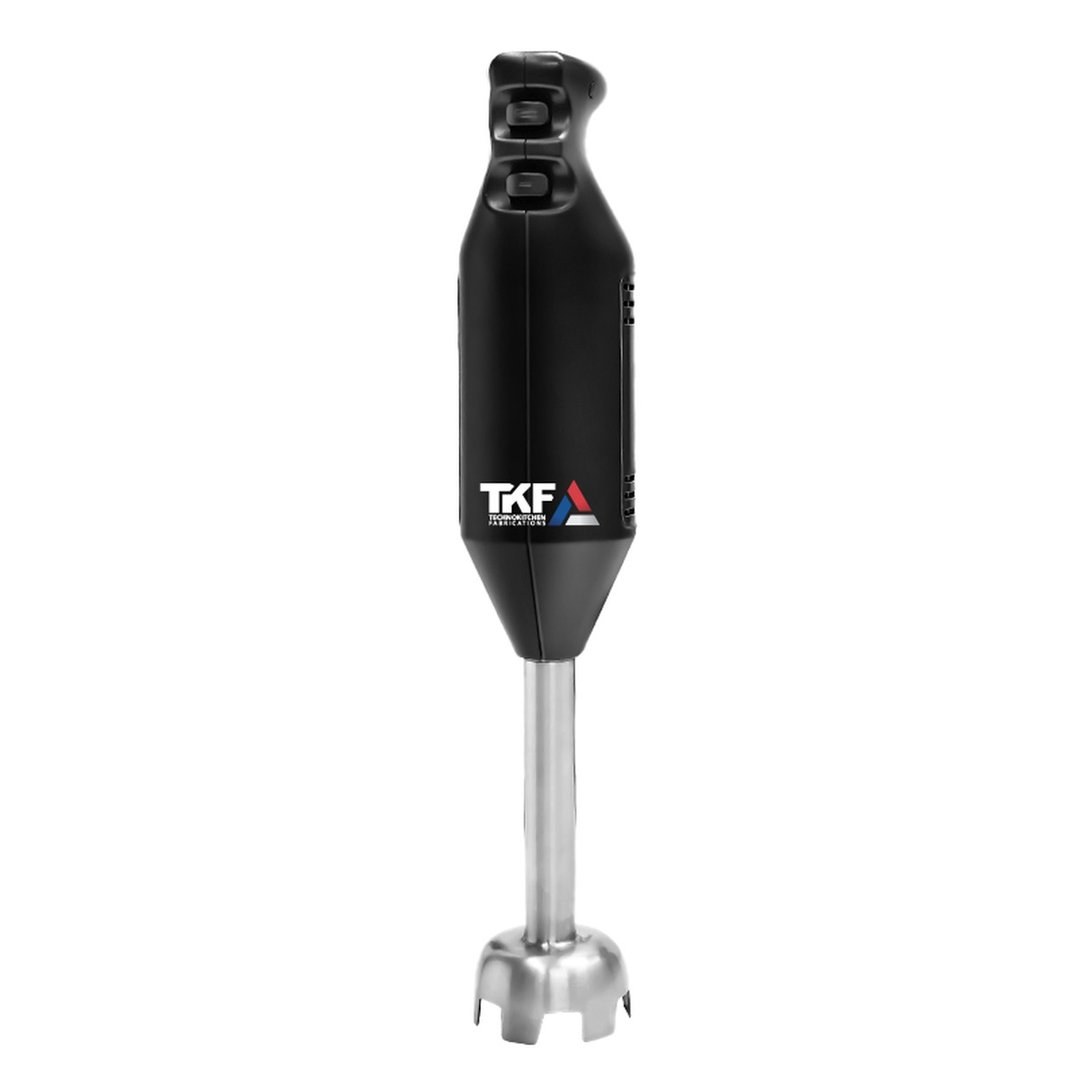
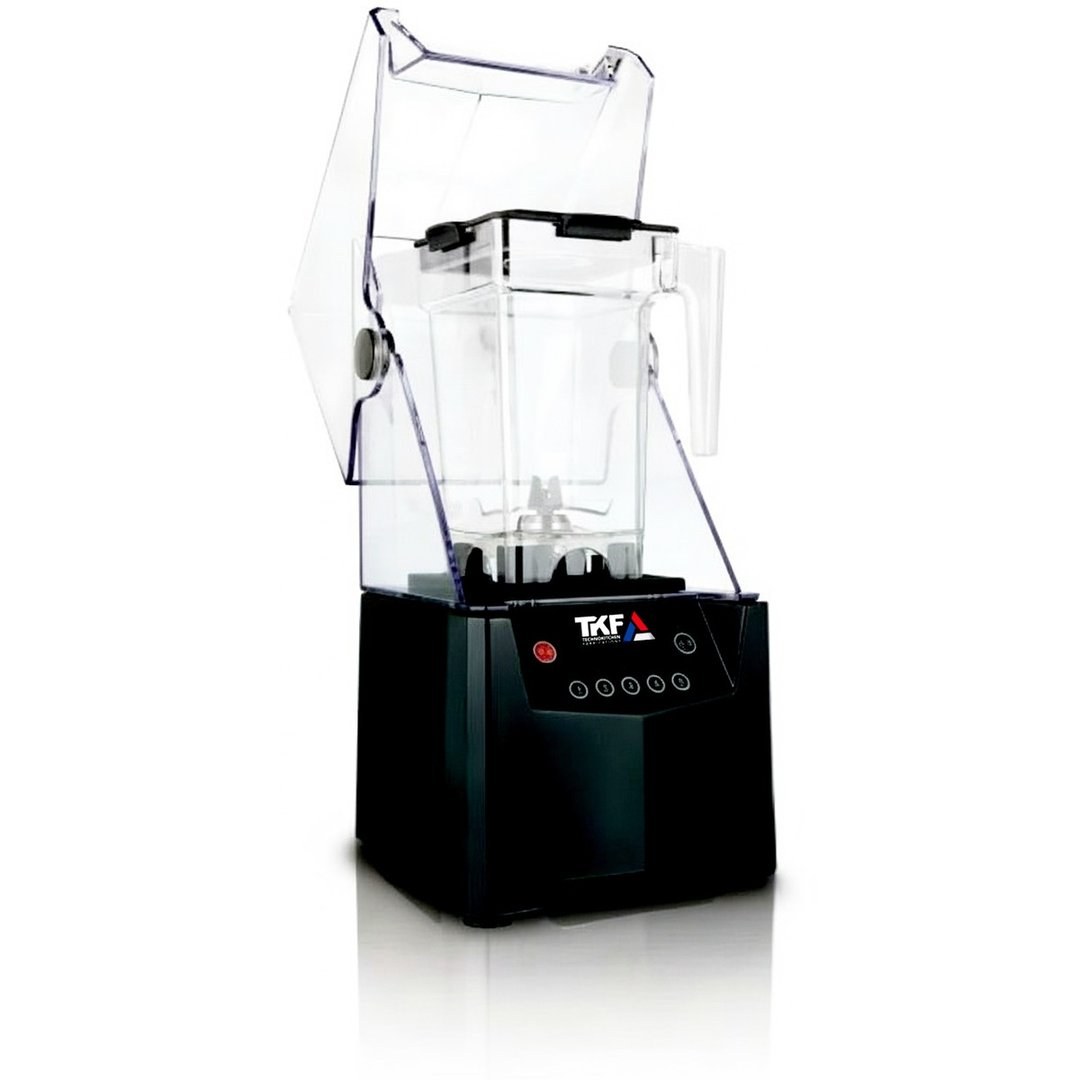
Commercial blenders handle smoothies, soups, sauces, and purees at speeds and volumes that domestic units simply cannot sustain. Immersion blenders offer portability and convenience for blending directly in stockpots and containers.
For cocktail bars and juice-heavy concepts popular across Beirut and the wider MENA market, look for blenders with sound enclosures to keep front-of-house noise levels manageable.
Sizing Equipment to Your Operation
One of the most common questions our team fields is: what size do I actually need? The answer always comes back to three factors: daily throughput, available floor space, and electrical capacity.
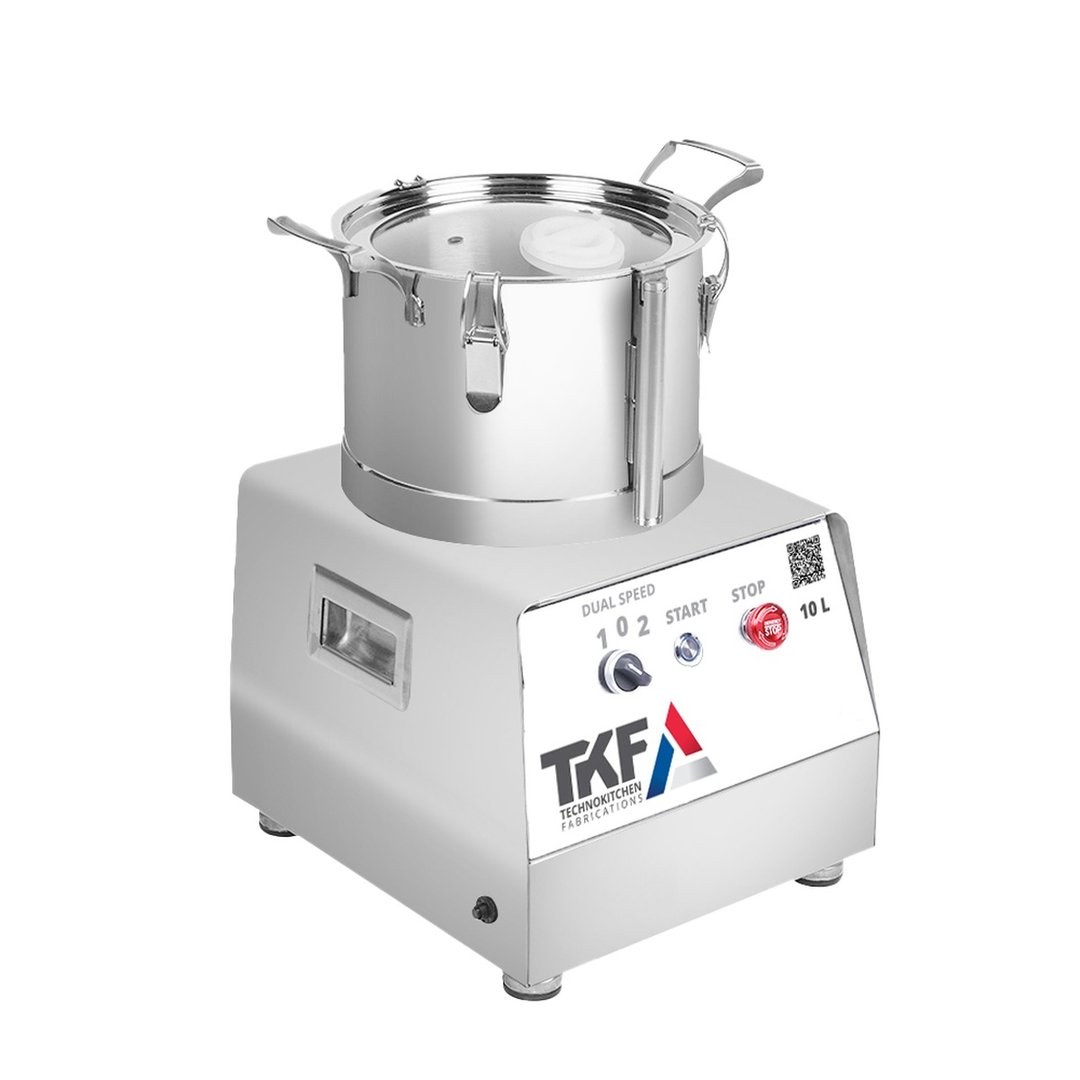
Daily throughput is straightforward. If you process 50 kg of vegetables per day, a 5L food processor running ten batches will get it done — but a 9L model cutting that to six batches saves meaningful labour time over a week. Multiply that saving across a year and the larger unit pays for itself quickly.
Floor space matters enormously in Lebanon, where kitchen real estate is often tight, especially in Beirut's dense commercial districts. Measure your prep area carefully and remember to account for clearance around the machine for loading, cleaning, and ventilation. Countertop units save floor space but require sturdy, level work surfaces.
Electrical capacity is frequently overlooked. Many older buildings in Lebanon run on limited amperage. Before purchasing any heavy-duty food prep equipment, confirm that your electrical panel can support the machine's draw, factoring in everything else running simultaneously during peak service. Our installation team can assess this during a site visit.
Build Quality, Certifications, and Hygiene Compliance
In the commercial kitchen environment, food prep equipment takes a beating. Choosing machines built to withstand continuous daily use is not optional — it is essential. Here is what to prioritise:
- Stainless steel construction: Look for AISI 304 grade stainless steel on all food-contact surfaces. It resists corrosion, handles aggressive cleaning chemicals, and meets HACCP hygiene requirements.
- CE marking: This confirms the equipment meets European safety, health, and environmental standards. It is the baseline certification you should expect from any reputable manufacturer.
- IP ratings: For equipment used in wet prep areas, check the Ingress Protection rating. An IP65 or higher rating means the machine is protected against water jets during washdown — critical for maintaining hygiene in busy kitchens.
- Safety interlocks: Bowl lids, feed chutes, and blade guards should have magnetic or mechanical interlocks that prevent the motor from running unless everything is properly secured. This is essential for staff safety and for meeting local labour inspection requirements.
At IPEC, every brand we carry — from European manufacturers to specialist global suppliers — meets these standards. You can explore our full range of trusted brands to see the pedigree behind each machine.
Total Cost of Ownership: Looking Beyond the Price Tag
Buying the cheapest food processor or slicer on the market is rarely a saving. In our experience across thousands of kitchen projects, the true cost of food prep equipment includes four layers:
- Purchase price: The upfront cost, including delivery and installation.
- Energy consumption: More efficient motors cost more upfront but reduce your electricity bills month after month — a significant factor given energy costs in Lebanon.
- Maintenance and spare parts: Choose equipment from brands with local spare parts availability and qualified technicians in the region. A machine that takes six weeks for parts to arrive from overseas is a machine that will cost you revenue when it breaks down.
- Lifespan: A well-built commercial food processor should deliver 8 to 12 years of reliable service. Cheaper units that need replacing every 3 years are far more expensive in the long run.
IPEC provides after-sales support, maintenance, and genuine spare parts for everything we supply. That peace of mind is part of what you invest in when you work with a supplier that has been in the market since 1980.
Frequently Asked Questions
What food prep equipment do I need to open a restaurant in Lebanon?
At a minimum, most restaurants need a commercial food processor, a vegetable slicer, a planetary mixer (especially if you bake bread or prepare doughs in-house), and a quality immersion blender. Meat-focused concepts will also require a gravity slicer and meat mincer. The exact lineup depends on your menu — our team can help you build a tailored equipment list during a free consultation.
What is the difference between a food processor and a vegetable cutter?
A food processor is a versatile, multi-function machine that chops, slices, grates, purees, and emulsifies. A dedicated vegetable cutter or slicer is a single-purpose machine designed for high-speed, high-volume cutting with superior uniformity. Many kitchens benefit from having both: the processor for sauces, dips, and mixed prep, and the slicer for salad production and garnish work.
How do I maintain food prep equipment for maximum lifespan?
Follow the manufacturer's cleaning schedule after every service. Disassemble removable parts for thorough washing, sanitise all food-contact surfaces, and inspect blades and discs for wear regularly. Have the motor and electrical components professionally serviced at least once a year. Store cutting attachments properly to prevent damage to cutting edges.
Can IPEC help me plan my kitchen's prep area?
Absolutely. Our foodservice consultants work with restaurant owners, hotel operators, hospital administrators, and bakery owners across Lebanon and the MENA region to design efficient prep workflows and specify the right equipment for each station.
Ready to Equip Your Prep Station?
The right food prep equipment transforms your kitchen from reactive to efficient. It reduces waste, protects your team, speeds up service, and keeps quality consistent plate after plate.
Browse our complete food preparation equipment range online, or explore our ready-to-spec food prep powerhouse collection, or get in touch with our team to schedule a free consultation. With 45 years of experience and an equipment portfolio built for the demands of the Lebanese and MENA market, IPEC is here to help you make the smartest investment for your kitchen.