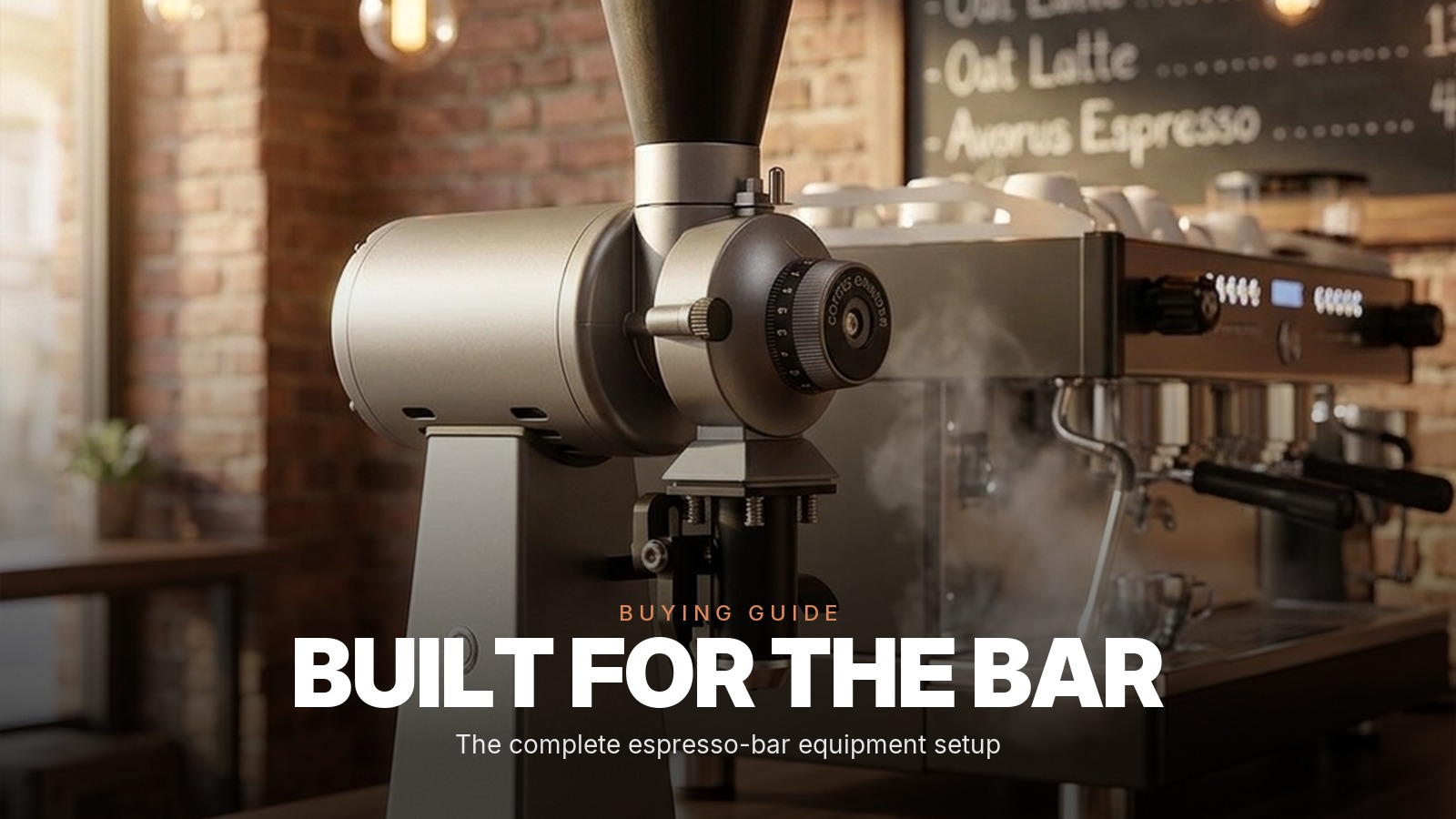
Opening a café in Beirut, Tripoli, or anywhere across the MENA region is one of the most competitive moves in hospitality today. Specialty coffee culture has exploded, customers know the difference between a flat white and a cortado, and your espresso bar is the engine that either makes or breaks the experience. After 45 years equipping kitchens and bars across Lebanon, we've learned one thing clearly: a beautiful interior brings people in once, but consistent coffee brings them back every morning.
Choosing the right coffee shop equipment in Lebanon is less about chasing the most expensive machine and more about building a workflow where every tool earns its place on the counter. This guide walks through the complete espresso-bar setup, station by station, so you can invest with confidence.
Start With the Grinder, Not the Machine
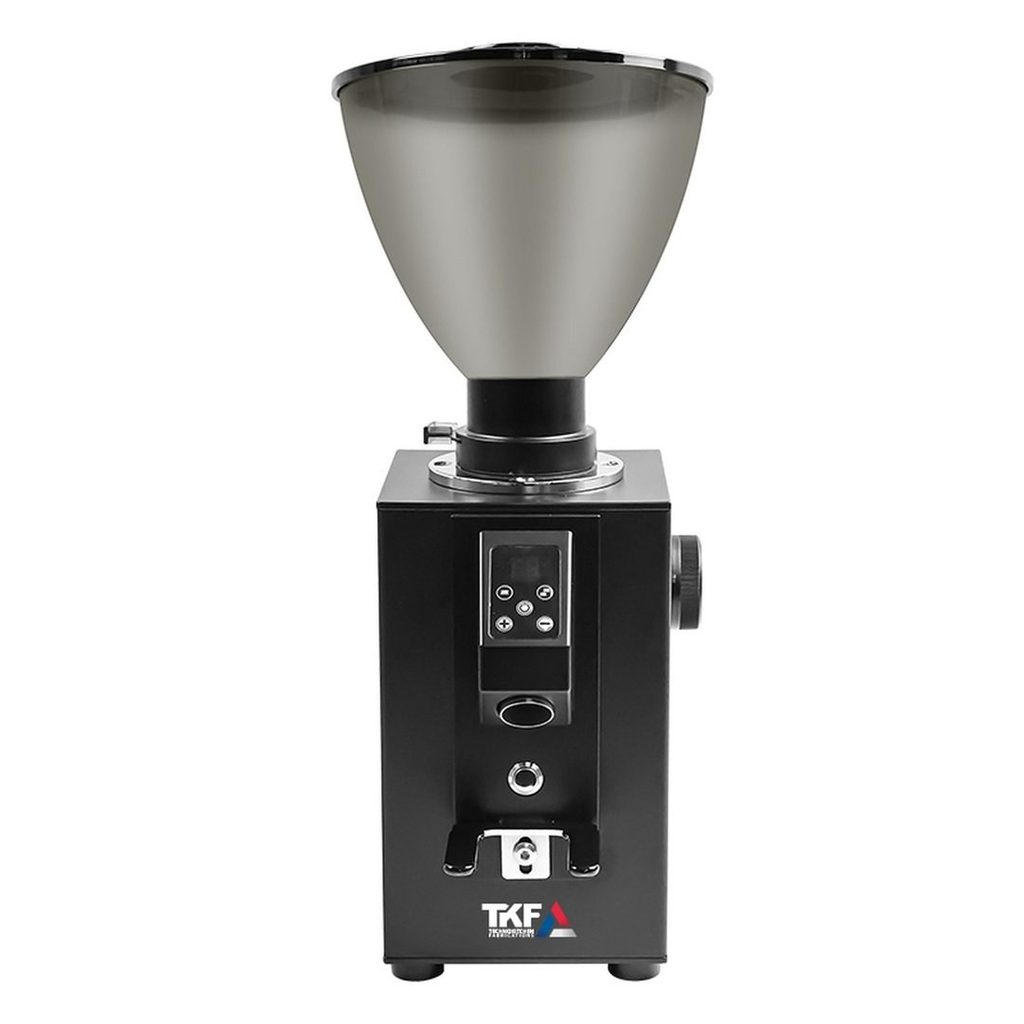
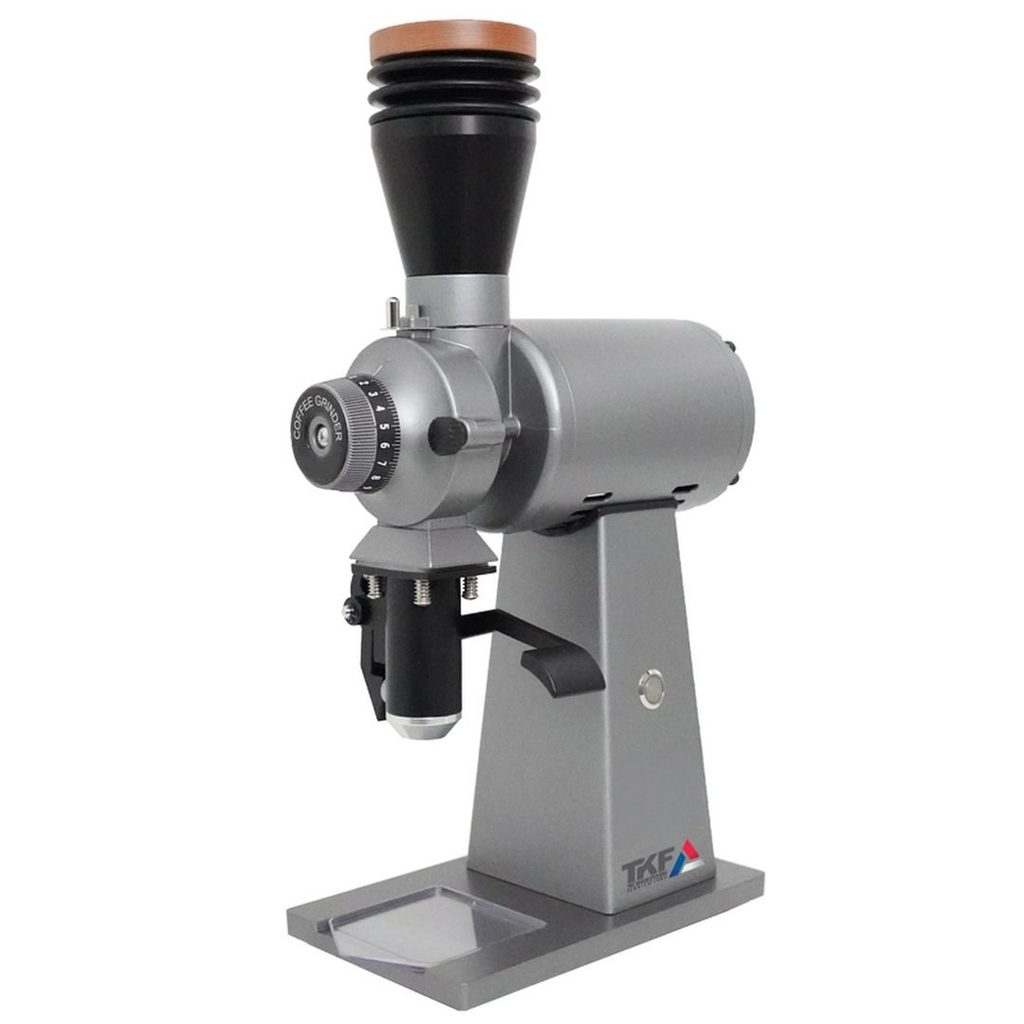
Most first-time café owners obsess over the espresso machine and treat the grinder as an afterthought. That's backwards. The grinder is the single most important piece of equipment behind the bar, because grind consistency determines extraction, and extraction determines whether every cup tastes the same from open to close.
A commercial grinder with flat burrs gives you the particle uniformity that espresso demands, along with fine adjustment so your barista can dial in shots as beans age through the week. If your concept leans toward Lebanese and Turkish coffee as well, a heavy-duty grinder built for higher volume and finer powder is worth the investment from day one.
Tamping and Dosing: Where Consistency Lives
Once the coffee is ground, the next variable is the puck. Uneven tamping causes channeling, which means water rushes through the weak spots and your shot comes out sour and thin. The fix is simple discipline backed by the right tools.
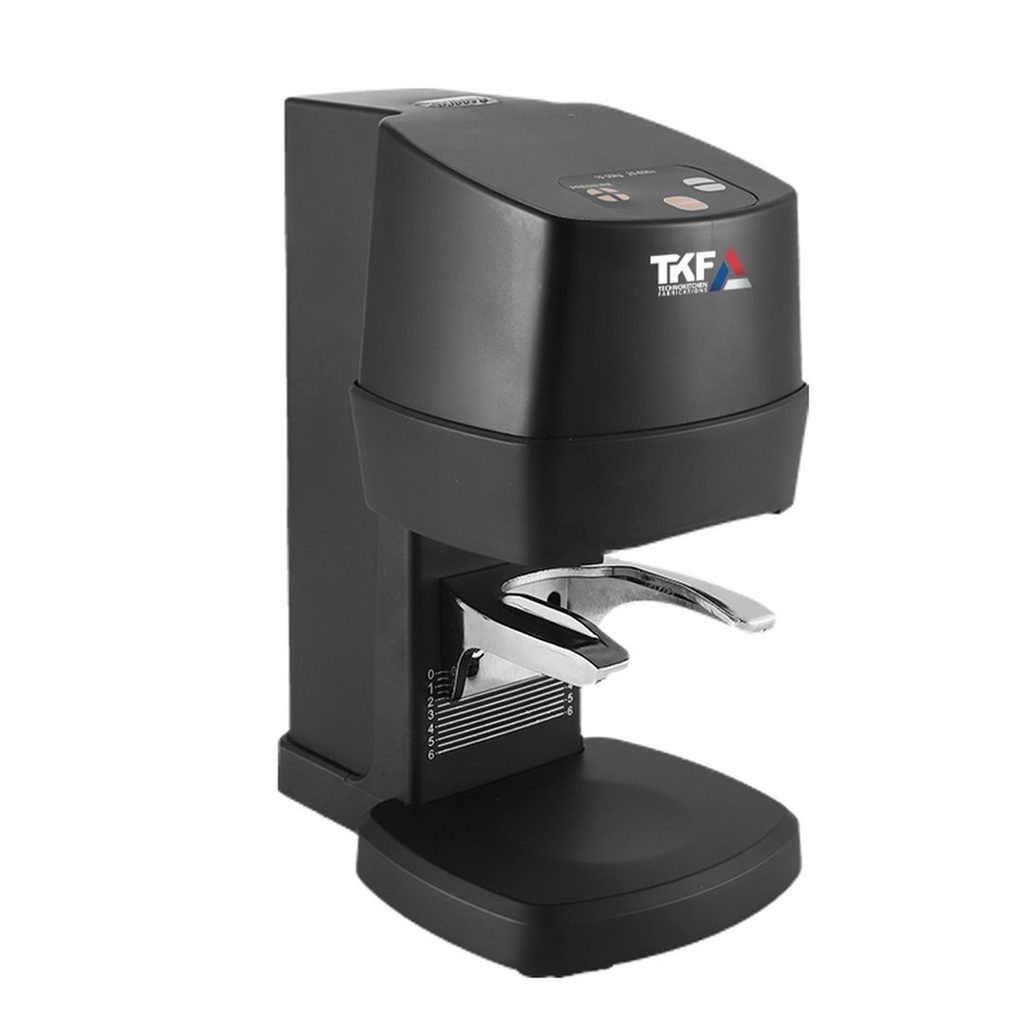
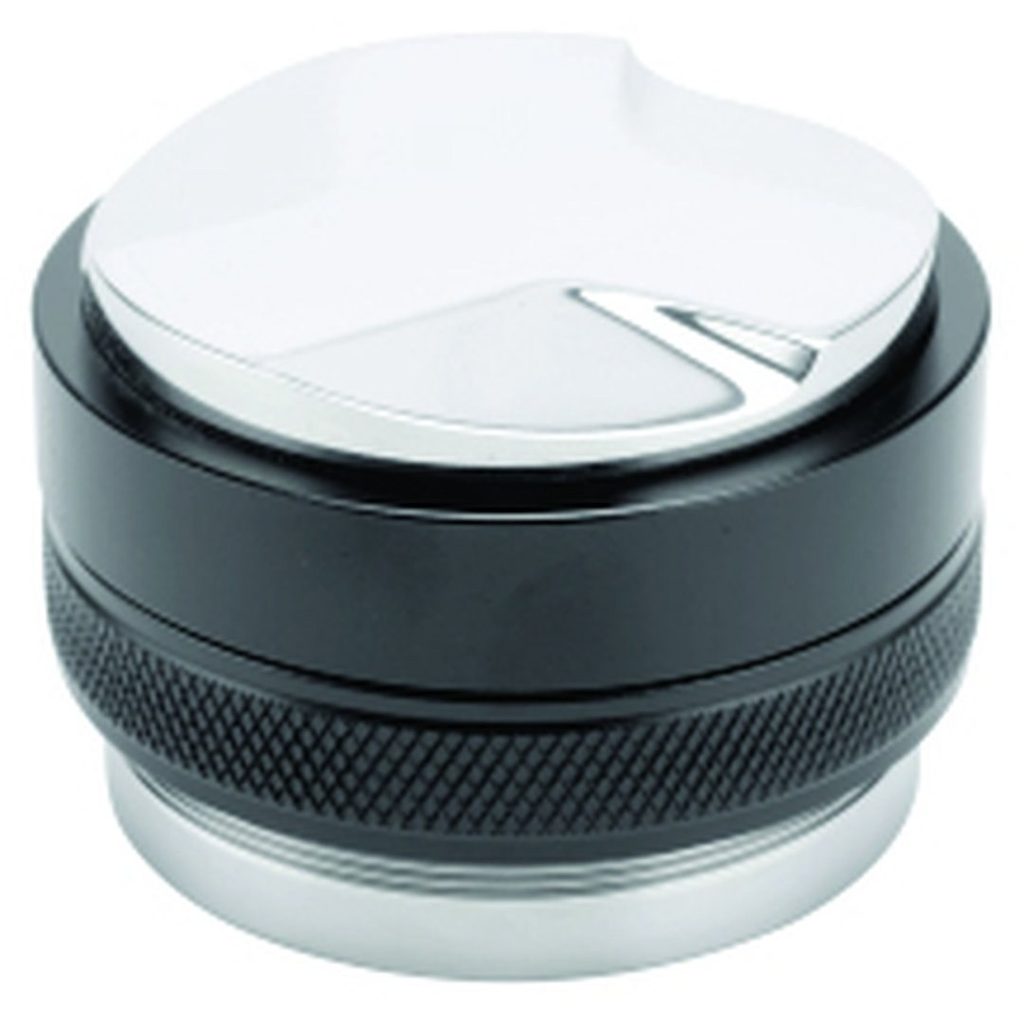
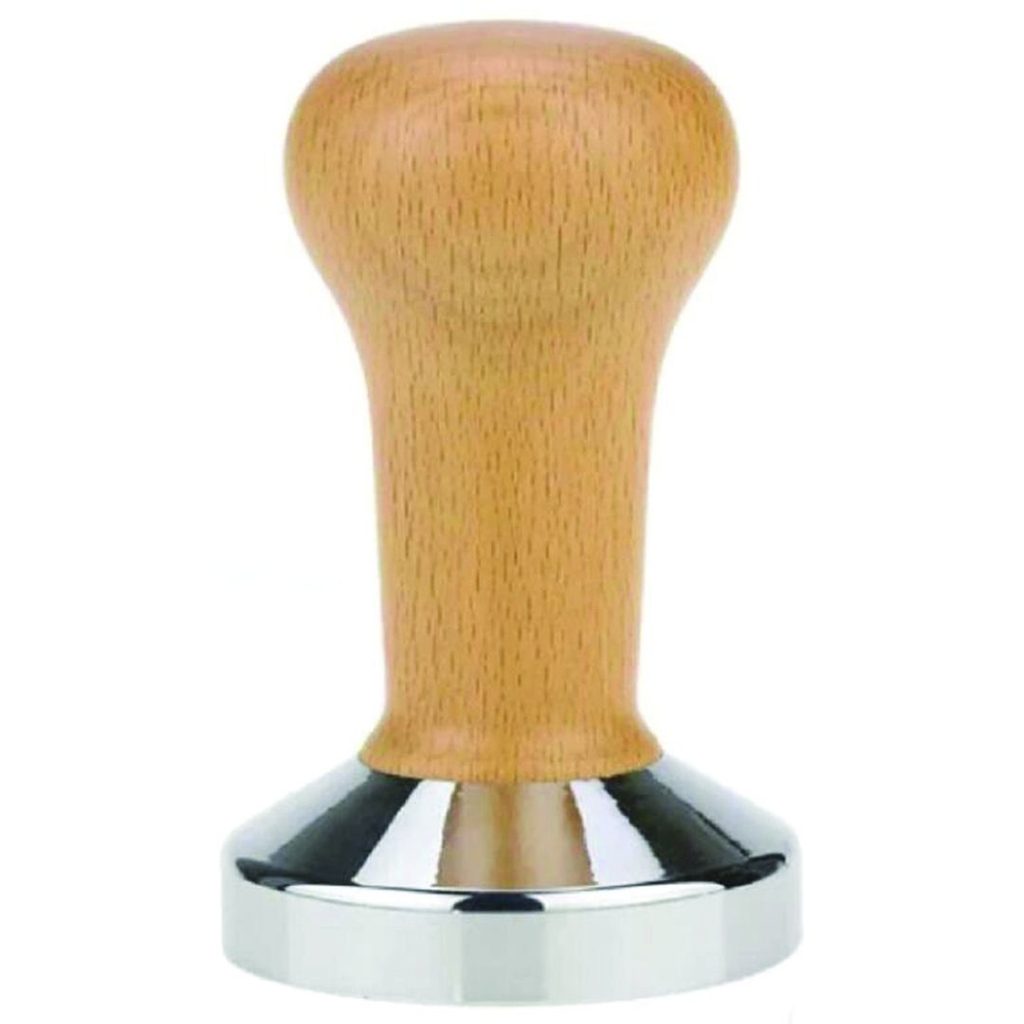
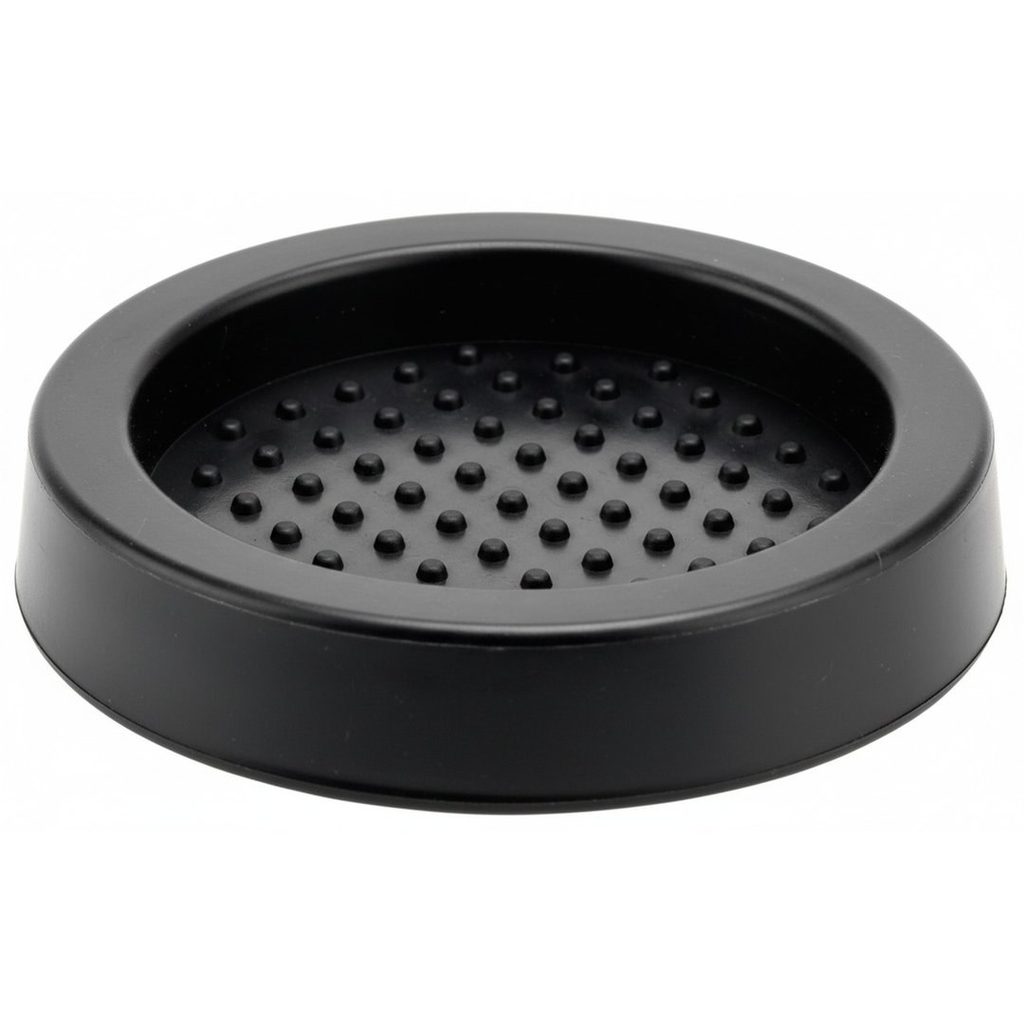
A precision tamper sized correctly to your portafilter — 58mm is the commercial standard, with 51mm common on smaller machines — gives you a level, repeatable base. For busy bars where staff turnover and rush-hour speed matter, an automatic tamper removes human variation entirely and protects your baristas' wrists over long shifts. Pair either with a tamping mat to protect the counter edge and group handle.
What a complete tamping station looks like
- A calibrated tamper matched to your basket size for an even, repeatable puck.
- A tamping mat to protect the portafilter and your countertop.
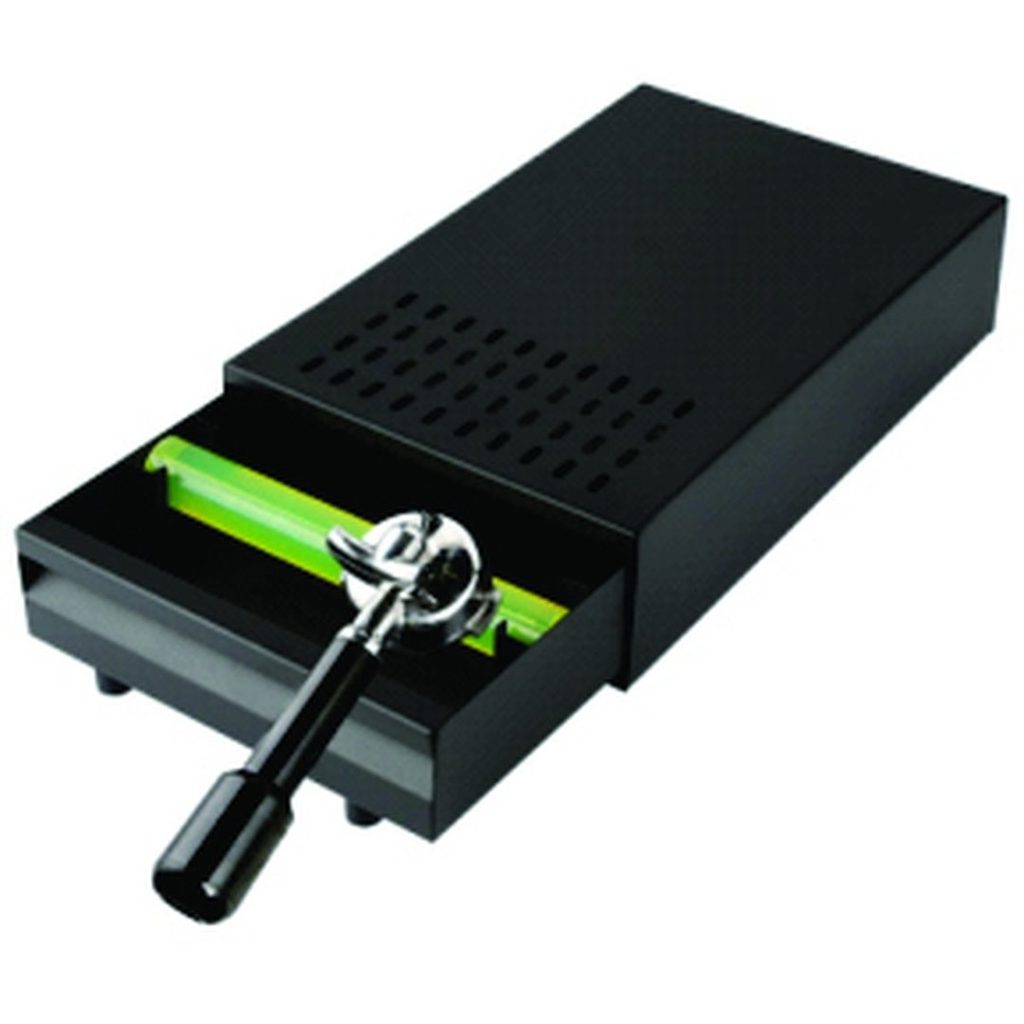
- A knock box so used pucks go straight into the bin, keeping the workflow clean and fast.
Hygiene and Speed: The Unsung Heroes
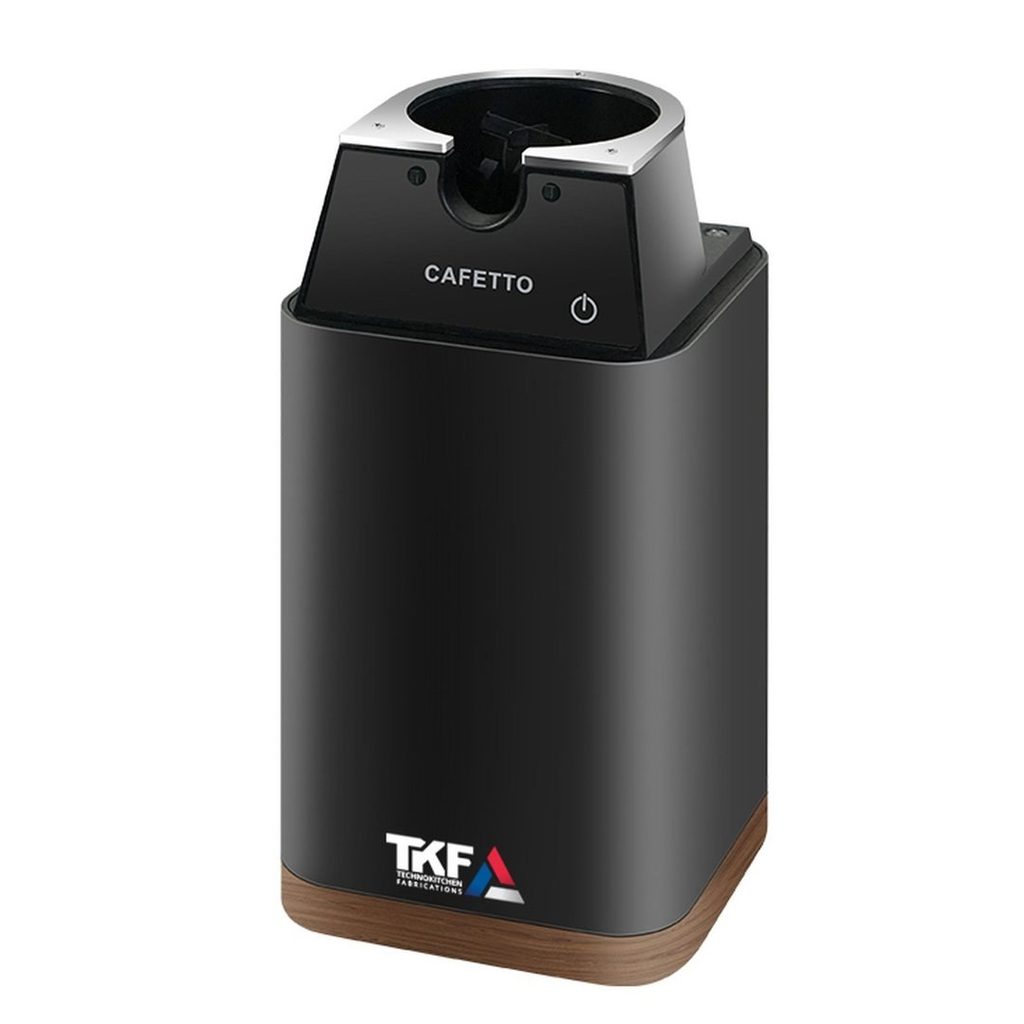
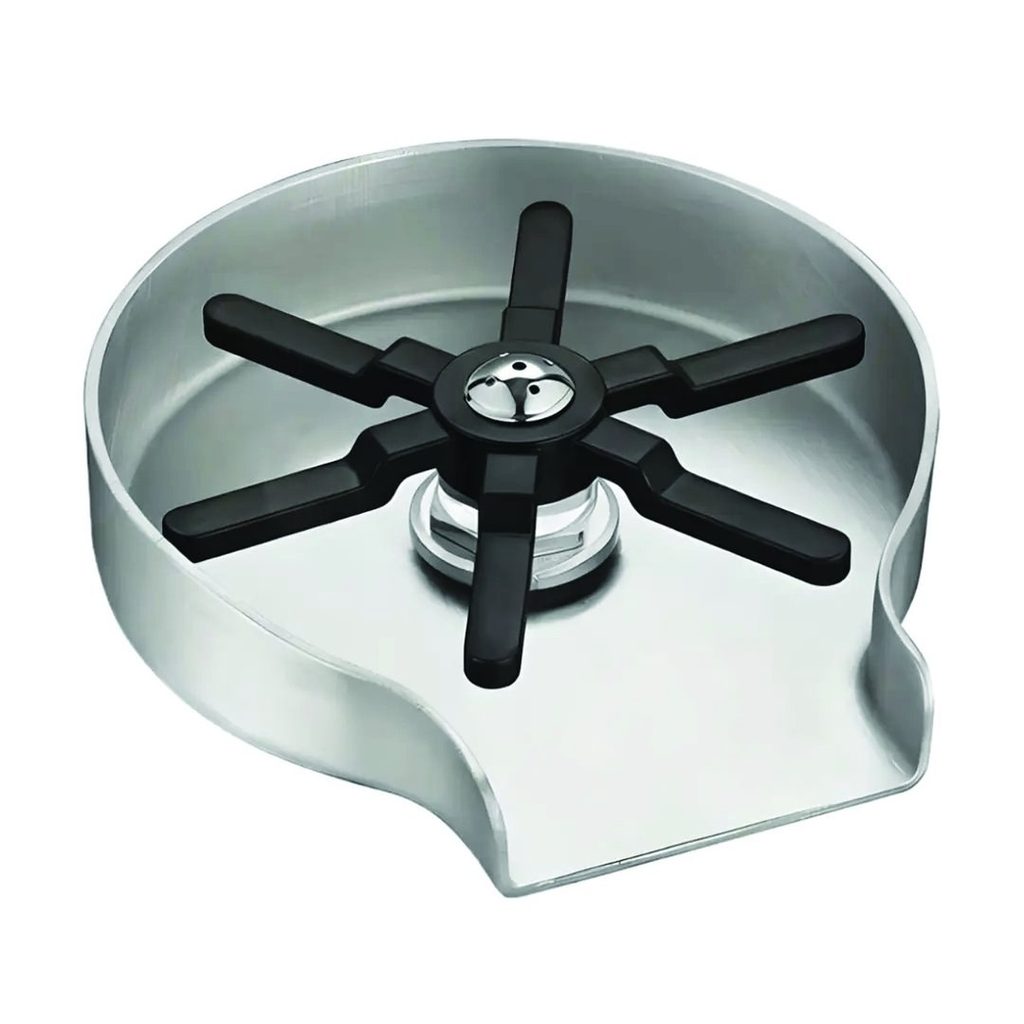
The fastest cafés in the region aren't fast because their baristas rush — they're fast because their stations are designed to remove friction. Two tools deliver an outsized return here. An automatic portafilter cleaner backflushes group handles in seconds, which keeps coffee oils from going rancid and protects flavor across the day. A countertop glass rinser cleans pitchers and cups in a single press, eliminating trips to the sink during peak service.
From a compliance standpoint, this matters too. Clean equipment is the foundation of any food-safety routine, and serious operators across the region increasingly document their cleaning schedules as part of HACCP-style hygiene practices. Building hygiene into the workflow — rather than treating it as an end-of-shift chore — is what keeps inspectors satisfied and customers loyal. Explore more tools in our Bar & Café category to round out the station.
Refrigeration: The Compliance and Quality Backbone
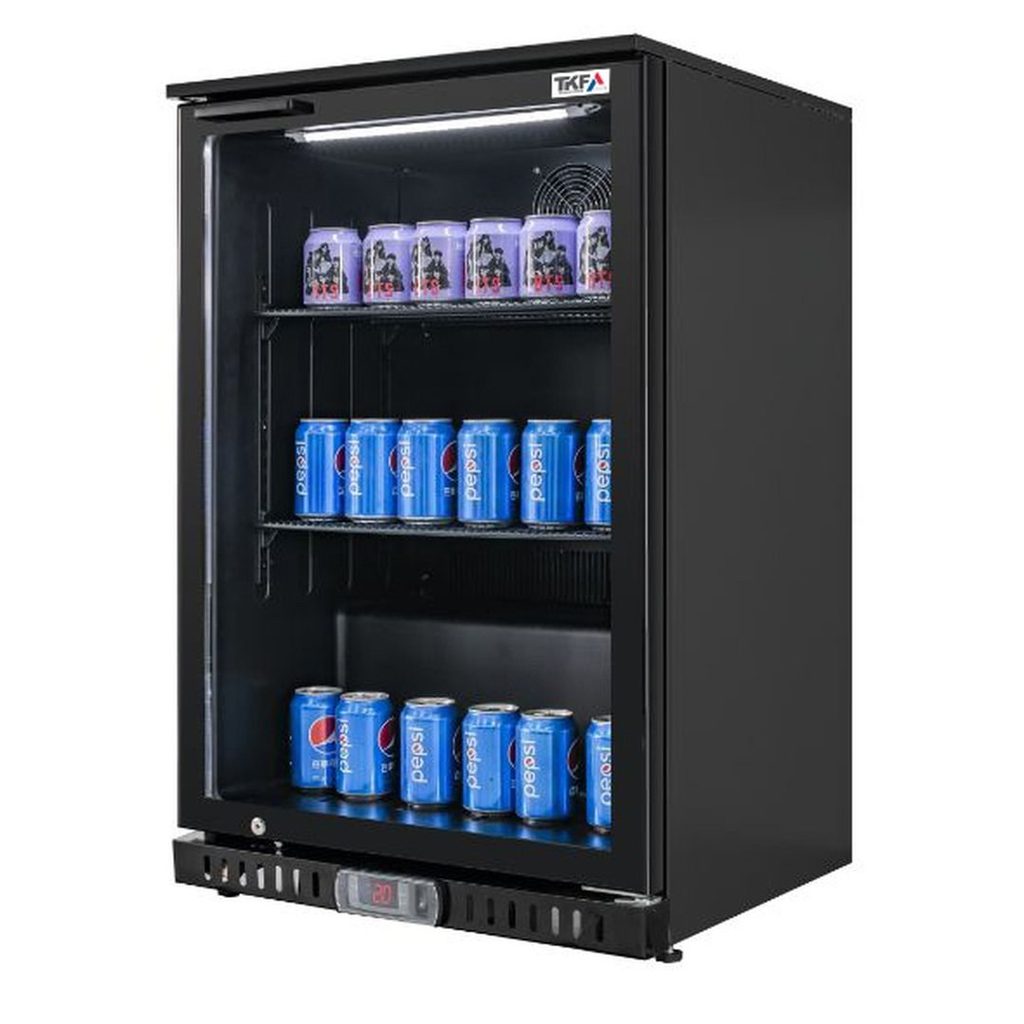
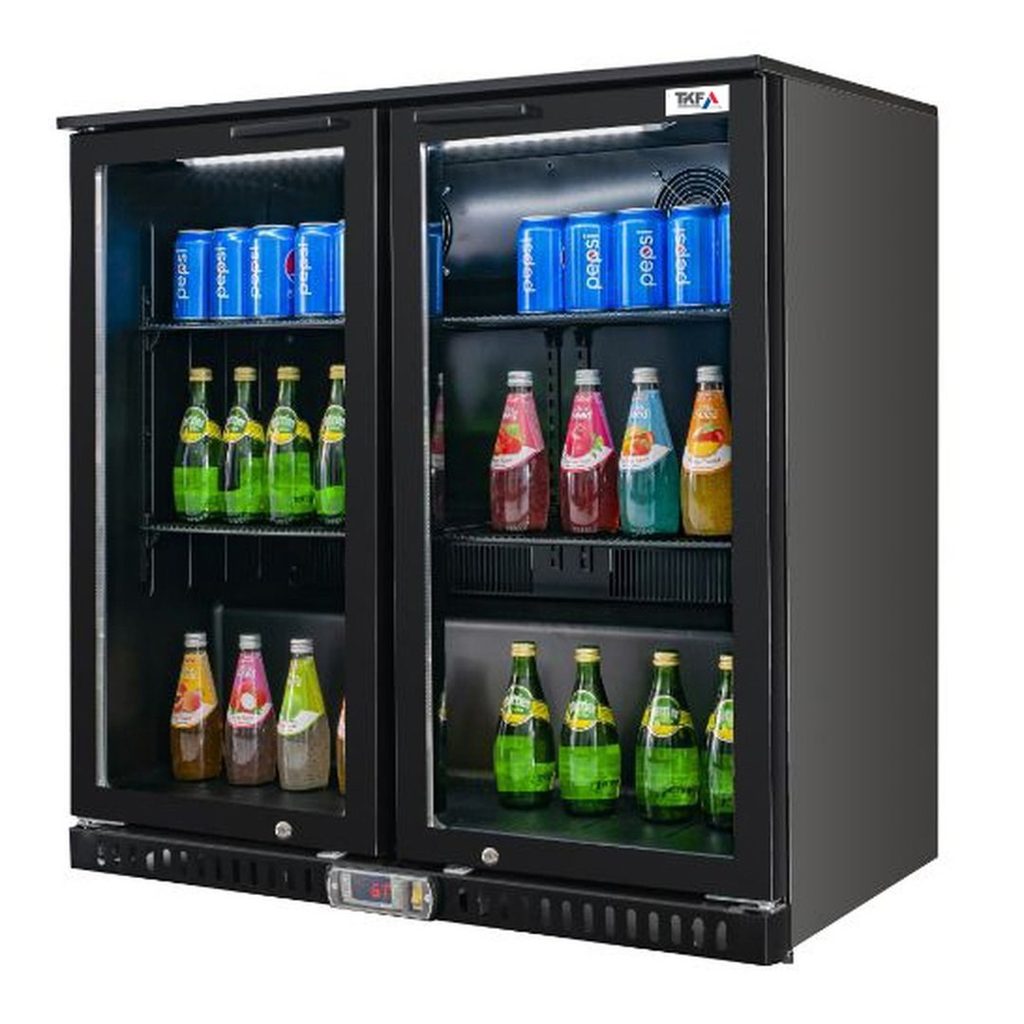
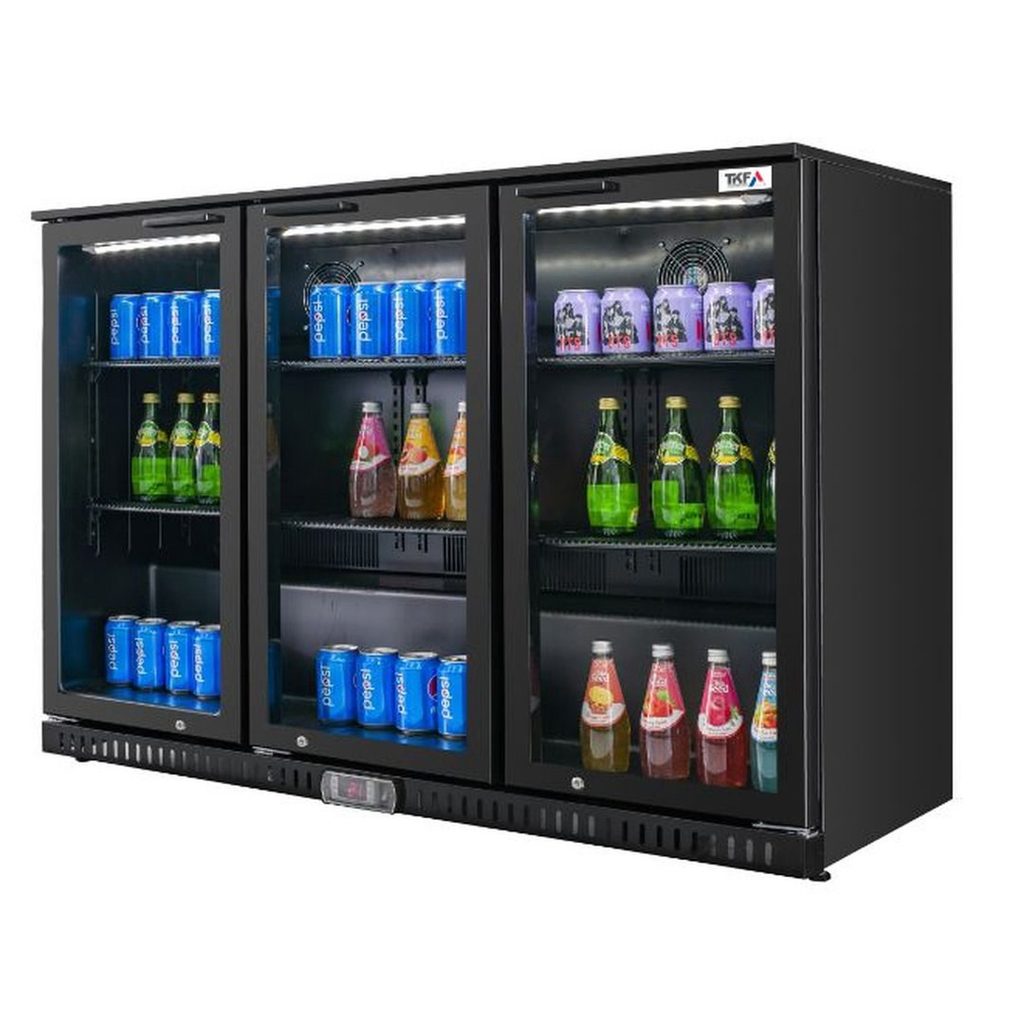
Milk is the second most important ingredient behind your bar, and it lives or dies by temperature. An under-counter bar cooler keeps milk, alternative milks, syrups, and cold-brew within easy reach of the barista while holding a safe, stable temperature throughout the day. This protects both quality — cold milk steams to better microfoam — and food safety, since the cold chain is one of the first things any inspector checks.
Size your refrigeration to your footprint and volume. A single-door cooler suits a compact specialty bar; double and triple-door units serve high-traffic locations, breakfast-heavy concepts, or cafés that batch cold brew. Browse the full range in our Refrigeration Equipment category.
The Small Tools That Separate Pros From Amateurs
The final ten percent of your setup is what regulars notice without realizing it. Stainless steel measuring jugs let baristas pour consistent volumes for milk and matcha; transparent dispenser bottles keep syrups labeled and pourable; and a tidy sugar and straw storage box keeps the customer-facing side of the bar looking professional. These low-cost items punch far above their price in daily efficiency.
None of this works in isolation. The best espresso bars are designed as a single, flowing system where the grinder feeds the tamping station, the tamping station feeds the machine, and refrigeration and hygiene tools sit within arm's reach. If you want a curated starting point, our Coffee Shop Essentials collection bundles the core categories together.
Build It Once, Build It Right
A café's reputation is earned one consistent cup at a time, and consistency is engineered into your equipment long before your first customer walks in. Choosing CE-marked, commercial-grade tools from a supplier who understands the realities of operating in Lebanon and the wider MENA region means fewer breakdowns, easier maintenance, and a bar your team actually enjoys working at.
With 45 years of experience equipping cafés, restaurants, and hotels across the region, IPEC can help you specify a complete espresso-bar setup matched to your space, volume, and concept — not an oversized package you'll never use. Contact our team today for a tailored equipment plan, or browse the full Coffee Shop Essentials collection to start building your bar.