
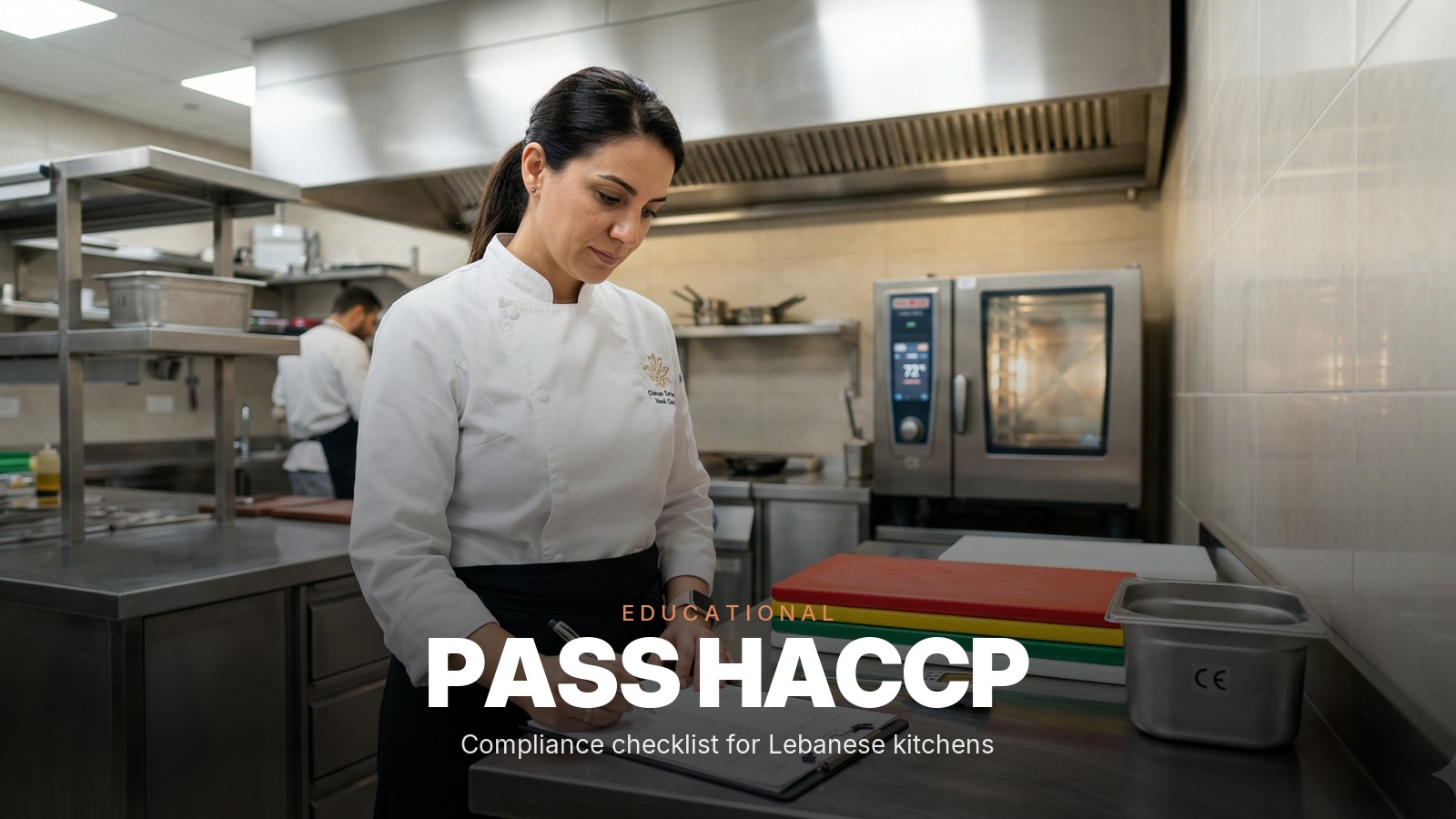
What Is HACCP — And Do You Actually Need It in Lebanon?
If you've been in the food service industry for any length of time, you've heard the acronym thrown around in inspections, supplier conversations, and municipality visits. But what does HACCP actually mean in practice — especially for a commercial kitchen operating in Beirut, the Bekaa, or anywhere across the MENA region?
HACCP stands for Hazard Analysis and Critical Control Points. It's a internationally recognized, science-based food safety management system designed to identify, assess, and control hazards — biological, chemical, and physical — at every stage of food handling, from raw ingredient delivery to the finished plate. It was originally developed for NASA's space food program in the 1960s and has since become the global gold standard for food safety.
In Lebanon, HACCP is governed by Decree No. 1/534 issued by the Ministry of Public Health and aligned with the Lebanese Standards Institution (LIBNOR) NL ISO 22000 framework. While not every small kiosk is legally mandated to hold a formal HACCP certification today, any food business supplying hospitals, hotels, schools, airlines, or export markets — or any operation seeking a tourism-category license — is effectively required to demonstrate HACCP-compliant practices. And with Lebanese municipalities tightening food safety inspections post-2020, being HACCP-ready is no longer optional for serious operators.
The short answer: yes, you need it — or you will soon.
The 7 HACCP Principles Applied to Your Kitchen
Before getting into the checklist, it helps to understand the seven pillars that every HACCP plan is built on. These aren't bureaucratic checkboxes — they're a logical framework that, once embedded into your kitchen culture, actually makes operations smoother, safer, and more defensible during inspections.
- Principle 1 — Conduct a Hazard Analysis: Identify every point in your food flow where a biological, chemical, or physical hazard could be introduced. Think raw chicken cross-contaminating a salad prep surface, or cleaning chemical residue left on a bain-marie.
- Principle 2 — Identify Critical Control Points (CCPs): A CCP is any step where a control measure can be applied to prevent or eliminate a food safety hazard. Common CCPs include cooking temperatures, cold storage, and reheating cycles.
- Principle 3 — Establish Critical Limits: Define the measurable thresholds at each CCP. For example: poultry must reach an internal temperature of at least 75°C; refrigerators must maintain 4°C or below.
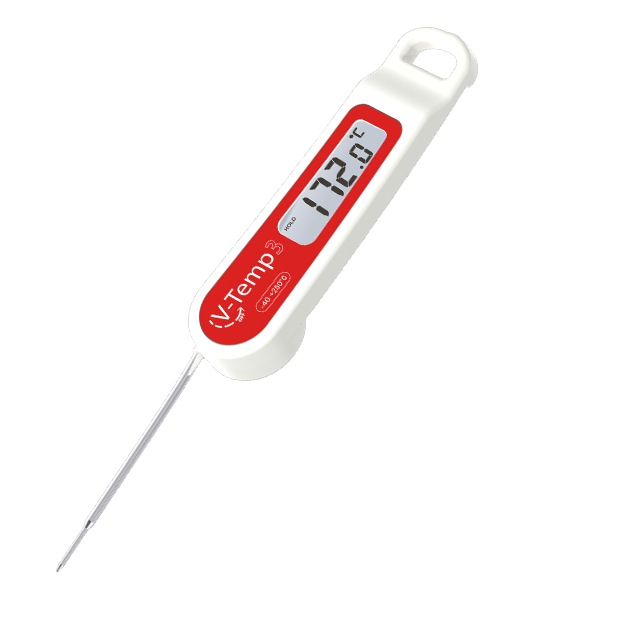
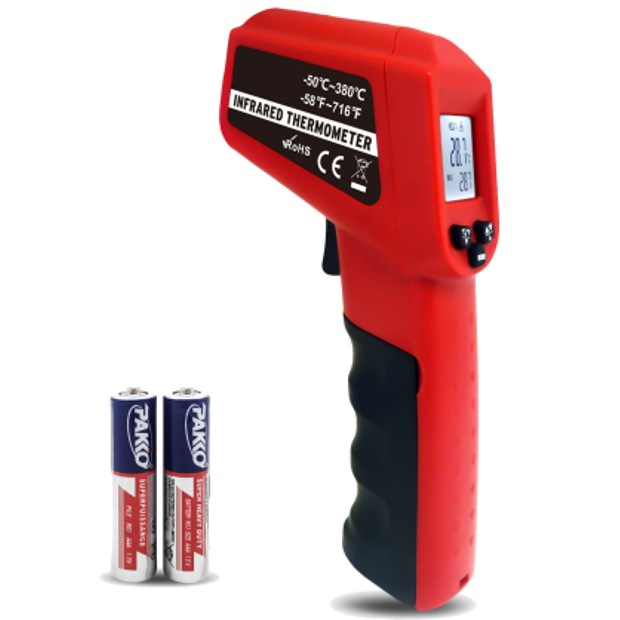
- Principle 4 — Establish Monitoring Procedures: Who checks what, and how often? This requires calibrated thermometers, temperature logs, and designated staff responsibilities.
- Principle 5 — Establish Corrective Actions: What happens when a CCP goes out of range? Define the protocol before the emergency, not during it.
- Principle 6 — Establish Verification Procedures: Regular audits, equipment calibration checks, and third-party reviews confirm your system is working as intended.
- Principle 7 — Establish Record-Keeping: Documentation is your legal protection. Logbooks, equipment service records, and temperature charts must be available on demand for inspectors.
HACCP Compliance Checklist: Equipment Requirements
Here's where HACCP becomes a purchasing decision, not just a policy document. Your kitchen equipment must be capable of consistently meeting your defined critical limits. An oven that can't hold a stable temperature, a refrigerator that cycles between 5°C and 10°C, or a dishwasher that doesn't reach sanitizing temperature — these aren't just inconveniences. They are documented HACCP failures.
When sourcing equipment for a HACCP-compliant kitchen, always look for CE marking (confirming conformity with EU safety and performance directives) and, where applicable, NSF International certification (the North American hygiene standard widely referenced by MENA-based consultants and international hotel groups). All equipment supplied through IPEC's certified brand portfolio meets these standards.
Cooking Equipment
- ✅ Ovens and combi-steamers with digital temperature control and programmable HACCP logging outputs
- ✅ Ranges and fryers with accurate thermostat calibration (verify against an independent probe thermometer)
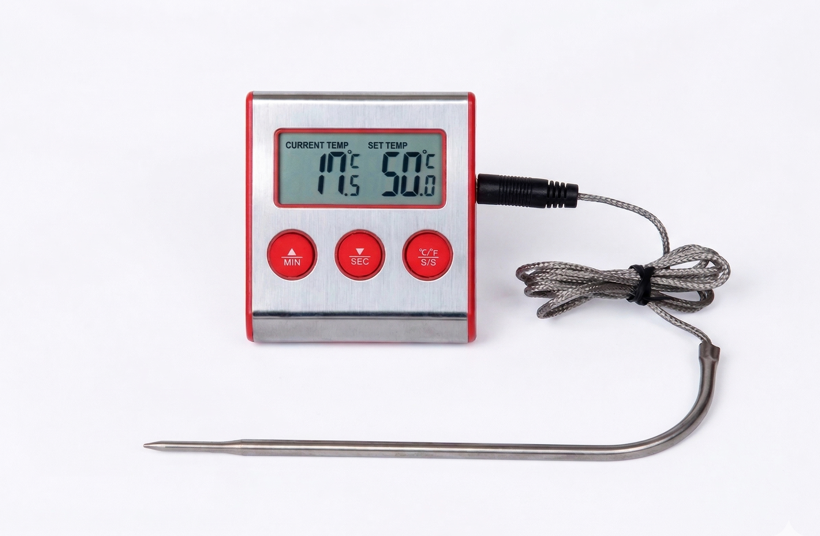
- ✅ Core temperature probes supplied and calibrated — minimum one per cooking station
- ✅ Surfaces and cavities constructed from food-grade stainless steel (AISI 304 minimum)
- ✅ Easy-access panels for deep cleaning without tool disassembly
Refrigeration and Cold Chain
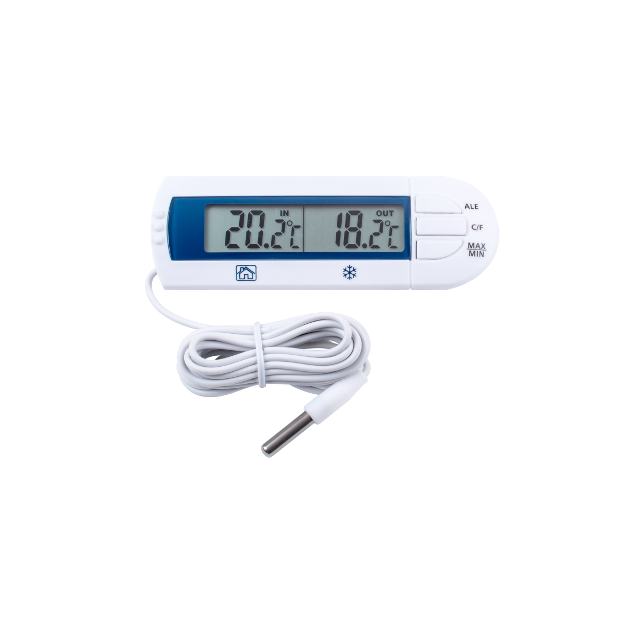
- ✅ Walk-in cold rooms and reach-in refrigerators maintaining 0°C to 4°C consistently
- ✅ Blast chillers capable of taking cooked food from 70°C to 3°C within 90 minutes (a HACCP critical limit for cook-chill operations)
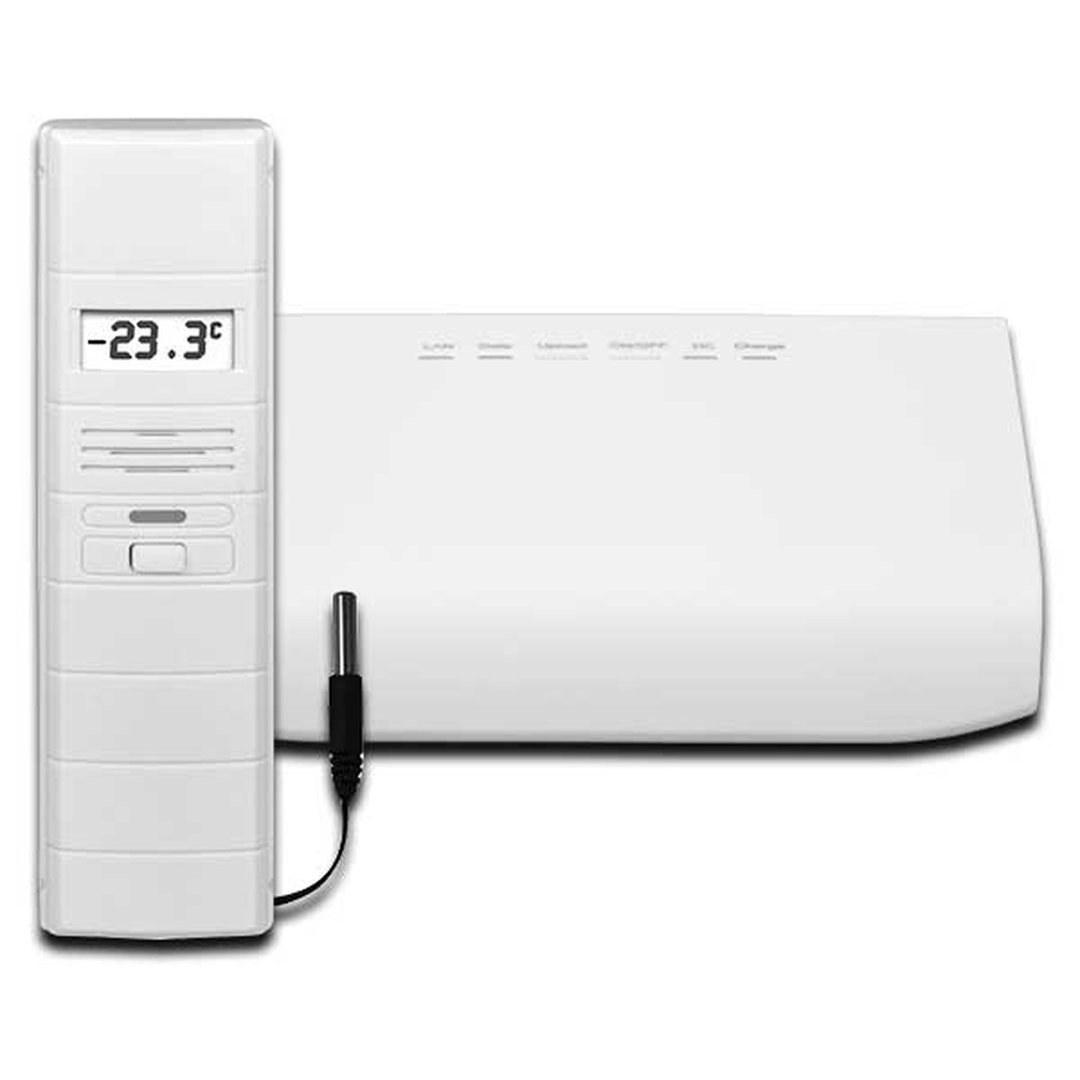
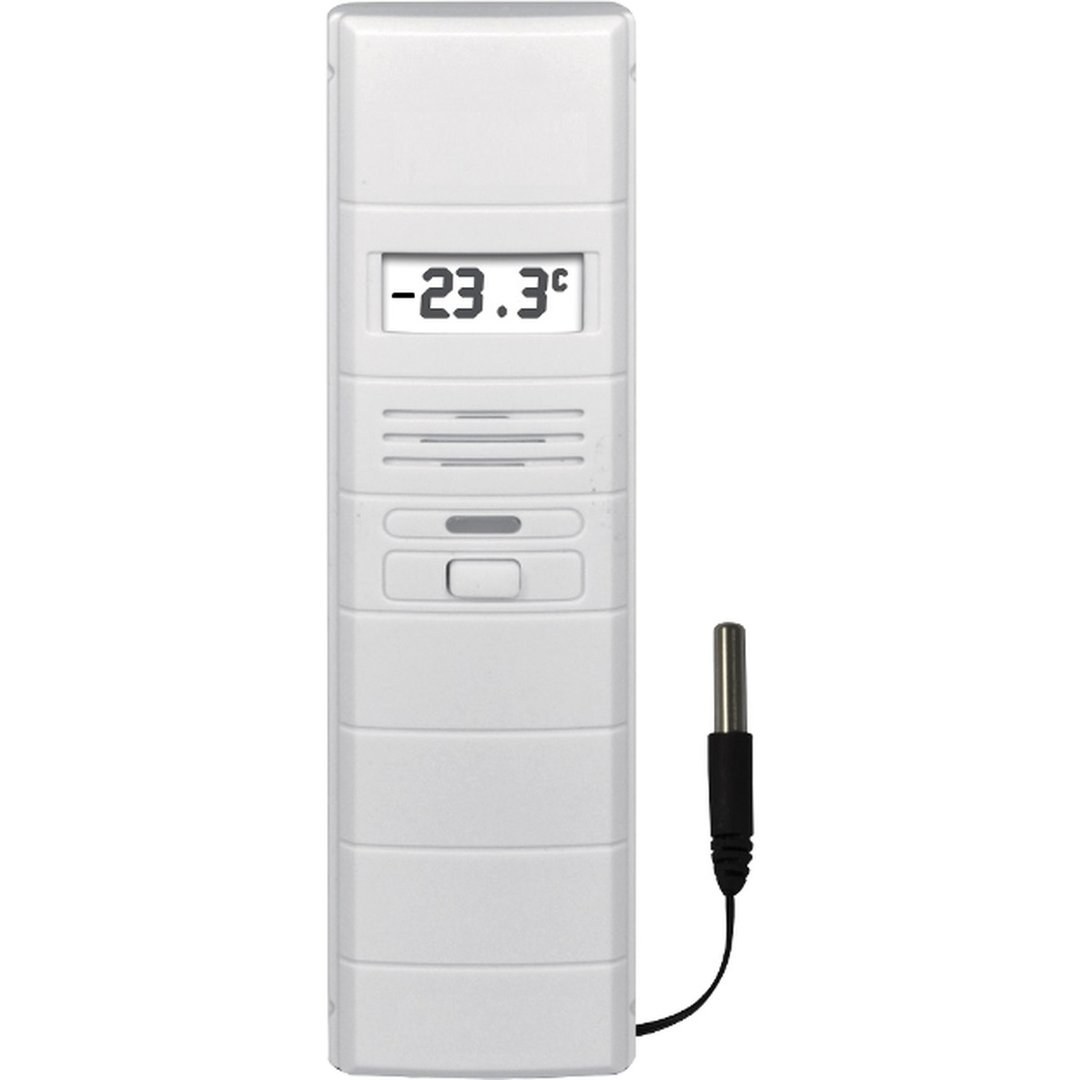
- ✅ Digital temperature alarms with external display and data logging capability
- ✅ Separate units for raw and cooked product storage — or clearly partitioned zones
- ✅ Door gaskets inspected quarterly and replaced when seal is compromised
Food Preparation Surfaces and Equipment
- ✅ Stainless steel work tables with no seams, cracks, or crevices where bacteria can harbor
- ✅ Color-coded cutting boards and knife sets (HACCP color coding: red for raw meat, yellow for poultry, green for vegetables, white for dairy/bakery)
- ✅ Slicers, mincers, and food processors with fully removable, dishwasher-safe contact parts
- ✅ Handwash stations with elbow- or sensor-operated taps positioned at every preparation zone entrance




Warewashing and Sanitization
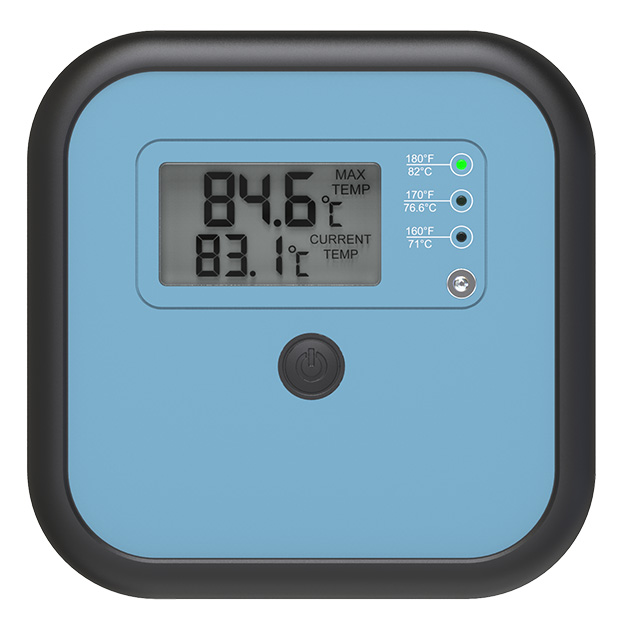
- ✅ Commercial dishwashers achieving a final rinse temperature of 82–85°C (thermal disinfection) or validated chemical sanitization cycle
- ✅ Three-compartment sinks for operations relying on manual warewashing
- ✅ Chemical dosing systems for dishwashers serviced and calibrated by your supplier
Ventilation and Waste Management
- ✅ Extraction canopies sized and positioned to prevent grease and steam buildup above cooking lines
- ✅ HEPA-filtered makeup air units where required by facility design
- ✅ Waste receptacles with lid and foot-pedal operation — never open bins in a prep zone
Documentation: The Paper Trail That Protects You
Lebanese health inspectors from the Ministry of Public Health and municipality teams will ask for documentation. A verbal assurance that your fridge is cold enough won't satisfy a formal audit. At minimum, your HACCP documentation package should include:
- Temperature logs — refrigeration units (twice daily), cooking records per batch, delivery receiving logs
- Cleaning and sanitation schedules — daily, weekly, and deep-clean cycles with staff sign-off
- Equipment calibration records — thermometers, scales, and automated probes verified against a reference standard
- Supplier declarations — HACCP or ISO 22000 certificates from your food suppliers
- Staff training records — evidence that every food handler has completed food hygiene training (Level 2 minimum)
- Corrective action logs — every deviation from a critical limit, however minor, with the action taken and sign-off
- Pest control contracts — issued by a licensed Lebanese pest control operator with inspection reports
Store physical binders on-site and maintain digital backups. Cloud-based HACCP software is increasingly used by larger operations and makes audit preparation significantly faster.
Common HACCP Failures Found in Lebanese Kitchen Inspections
Based on the operational feedback we receive from clients across the hospitality, healthcare, and food production sectors — and drawing on 45 years of kitchen commissioning experience — these are the most frequently cited deficiencies:
- Refrigeration temperatures drifting above 5°C due to aging door seals or overcrowded shelving blocking airflow
- Undocumented cooking temperatures — food reaches safe temperature but no log exists to prove it
- Shared cutting surfaces between raw and ready-to-eat food categories
- Chemical storage adjacent to food preparation areas — a direct HACCP violation under biological and chemical hazard categories
- Non-food-grade equipment purchased from domestic appliance retailers and used in commercial settings, which lacks CE certification and cannot be reliably maintained
That last point is worth emphasizing. In cost-pressured environments, the temptation to source cheaper equipment is understandable — but non-certified equipment creates both a food safety liability and a gap in your HACCP documentation that an inspector will identify immediately. Explore IPEC's full range of certified commercial kitchen equipment to source products that come with the technical documentation your HACCP plan requires.
HACCP for Specific Sectors: What Changes?
Hospitals and Healthcare Catering
Hospital kitchens face the most stringent HACCP requirements in Lebanon because the patient population includes immunocompromised individuals. Blast chilling, allergen management protocols, and strict temperature logging at every service point are non-negotiable. Review IPEC's dedicated guidance on commercial kitchen solutions by sector for healthcare-specific recommendations.
Hotels and Banqueting Operations
High volume, multi-outlet service, and the presence of international guests create complex HACCP challenges. Combi ovens with built-in HACCP logging, holding cabinets with temperature alarms, and documented cook-chill cycles are standard expectations from four- and five-star brands operating in Lebanon.
Cloud Kitchens and Delivery Operations
The temperature danger zone (5°C to 63°C) is your primary hazard in delivery operations. Hot-holding equipment, insulated packaging validation, and documented delivery time windows must all be addressed within your HACCP plan — especially as Lebanon's cloud kitchen sector continues to grow rapidly.
Next Steps: Building Your HACCP Plan
A HACCP plan is not a one-time document — it's a living system that must be reviewed whenever your menu changes significantly, new equipment is installed, or your facility layout is modified. Many Lebanese food businesses work with a certified food safety consultant to develop their initial HACCP plan, then rely on their equipment supplier to provide the technical documentation and calibration support that keeps the plan current.
At IPEC, we've supported HACCP implementation across hundreds of commercial kitchen projects in Lebanon and the wider MENA region since 1980 — from independent restaurants in Gemmayzeh to five-star hotel openings in Riyadh. Our team can advise on equipment specifications that align with your critical control points, provide full CE documentation packages, and coordinate professional installation and commissioning services that include handover documentation suitable for your HACCP file.
Ready to audit your kitchen's HACCP readiness? Contact the IPEC team for a consultation, or browse our full range of HACCP-compatible commercial kitchen equipment — specified for the Lebanese and MENA market, backed by 45 years of industry expertise.