Your Menu Should Drive the Decision — Not the Spec Sheet
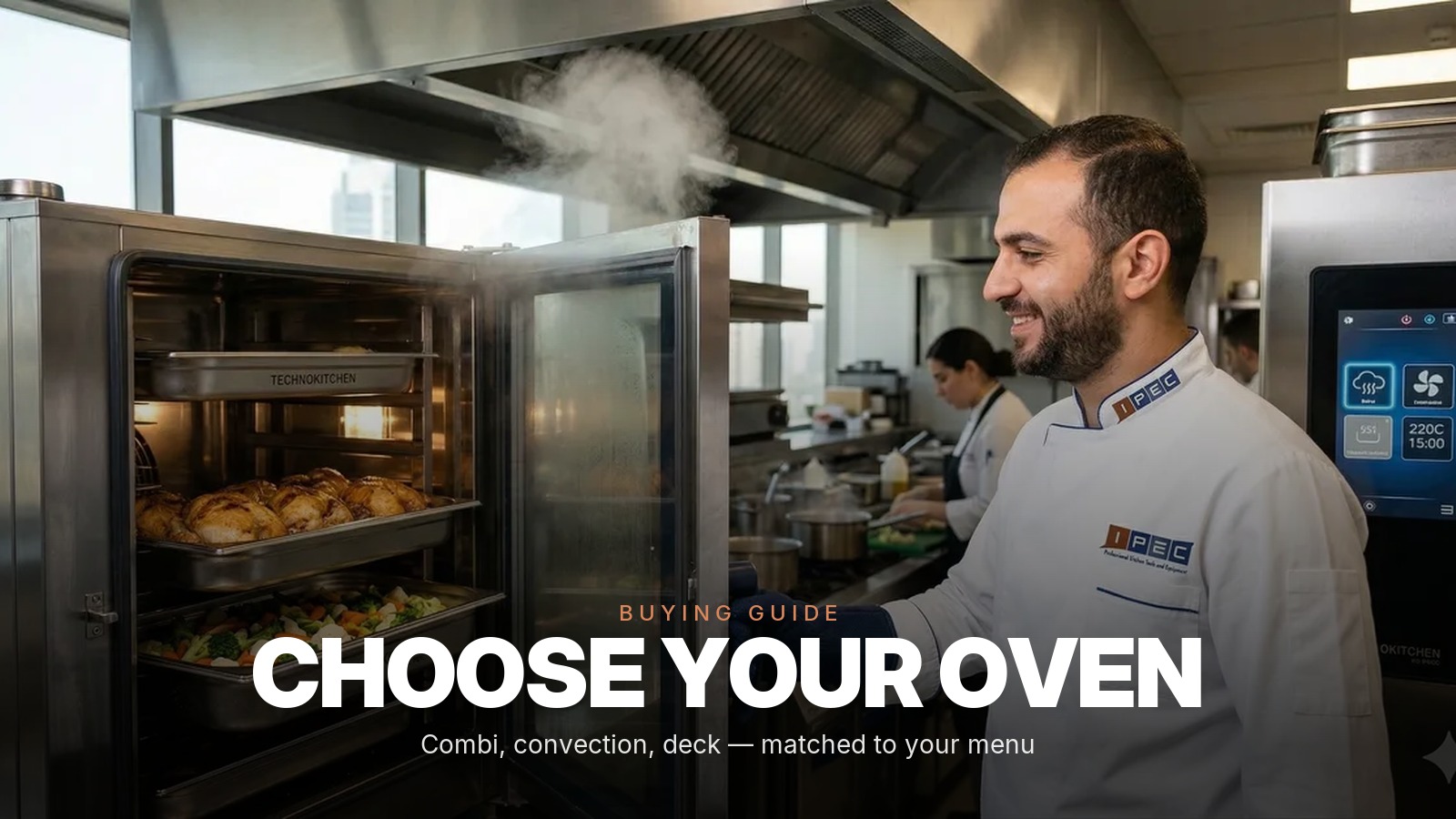
After 45 years of equipping commercial kitchens across Lebanon, we can tell you the single most common mistake restaurant owners make when buying an oven: they start with the equipment instead of starting with their menu.
A shawarma restaurant in Jounieh has completely different oven needs than a hotel breakfast kitchen in downtown Beirut or a bakery in Tripoli producing 500 manakeesh before 7 AM. The right oven is the one that matches what you actually cook every day — not occasionally, not theoretically, but during your busiest service.
This guide walks you through the main types of commercial ovens, what each one does best, and how to make a smart investment for your specific operation. Whether you are opening a new restaurant or upgrading an existing kitchen, this is what you need to know before you buy.
Convection Ovens: The Reliable All-Rounder
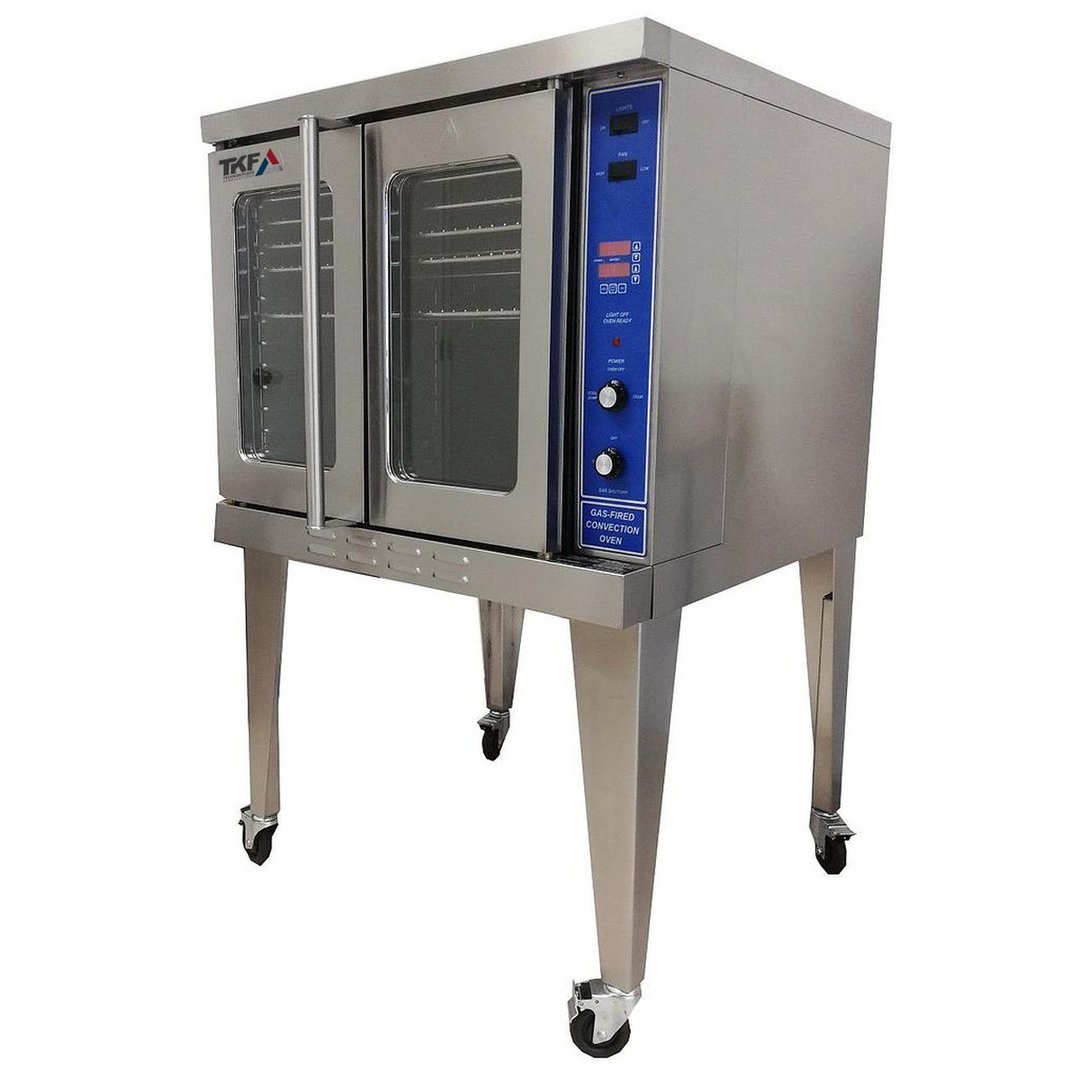
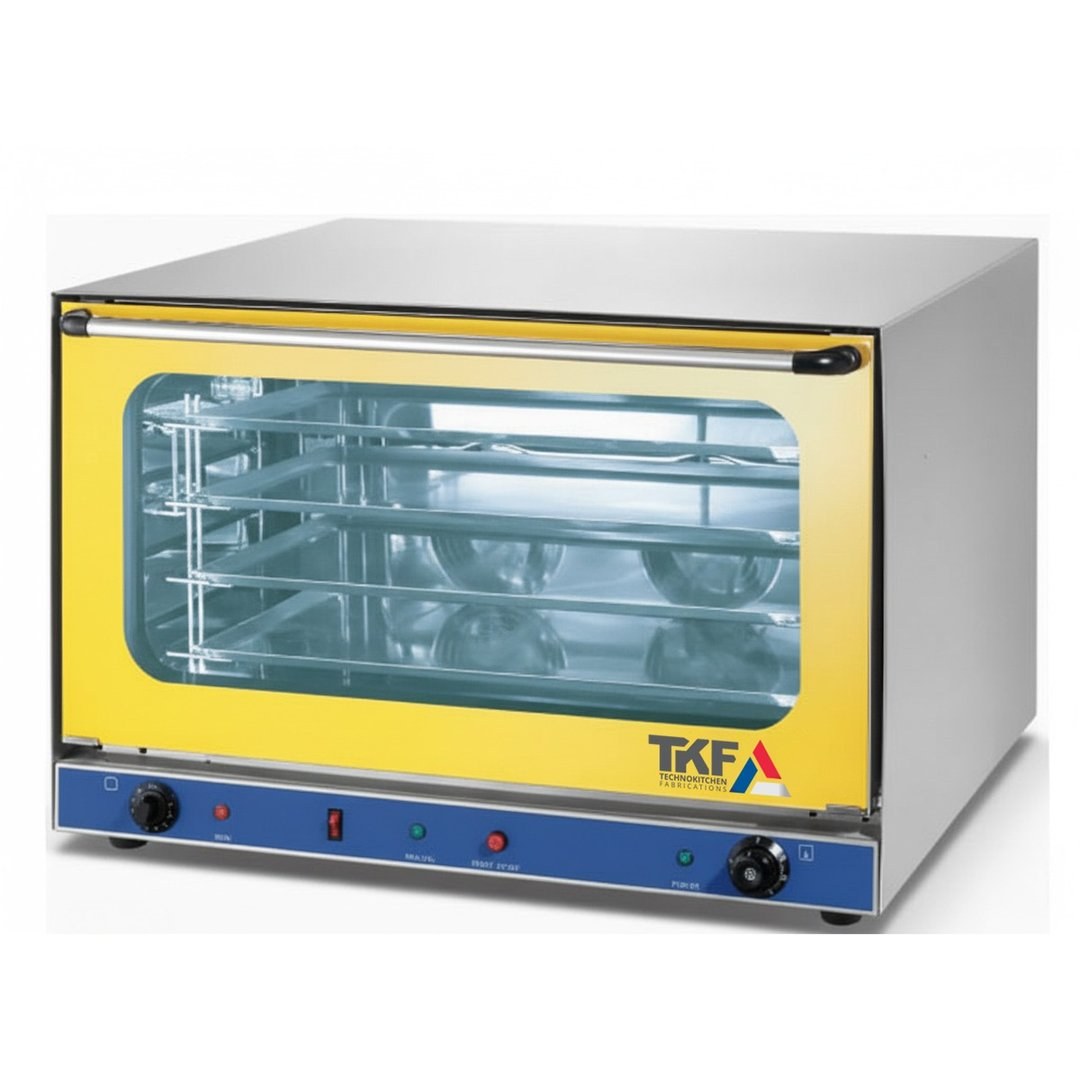
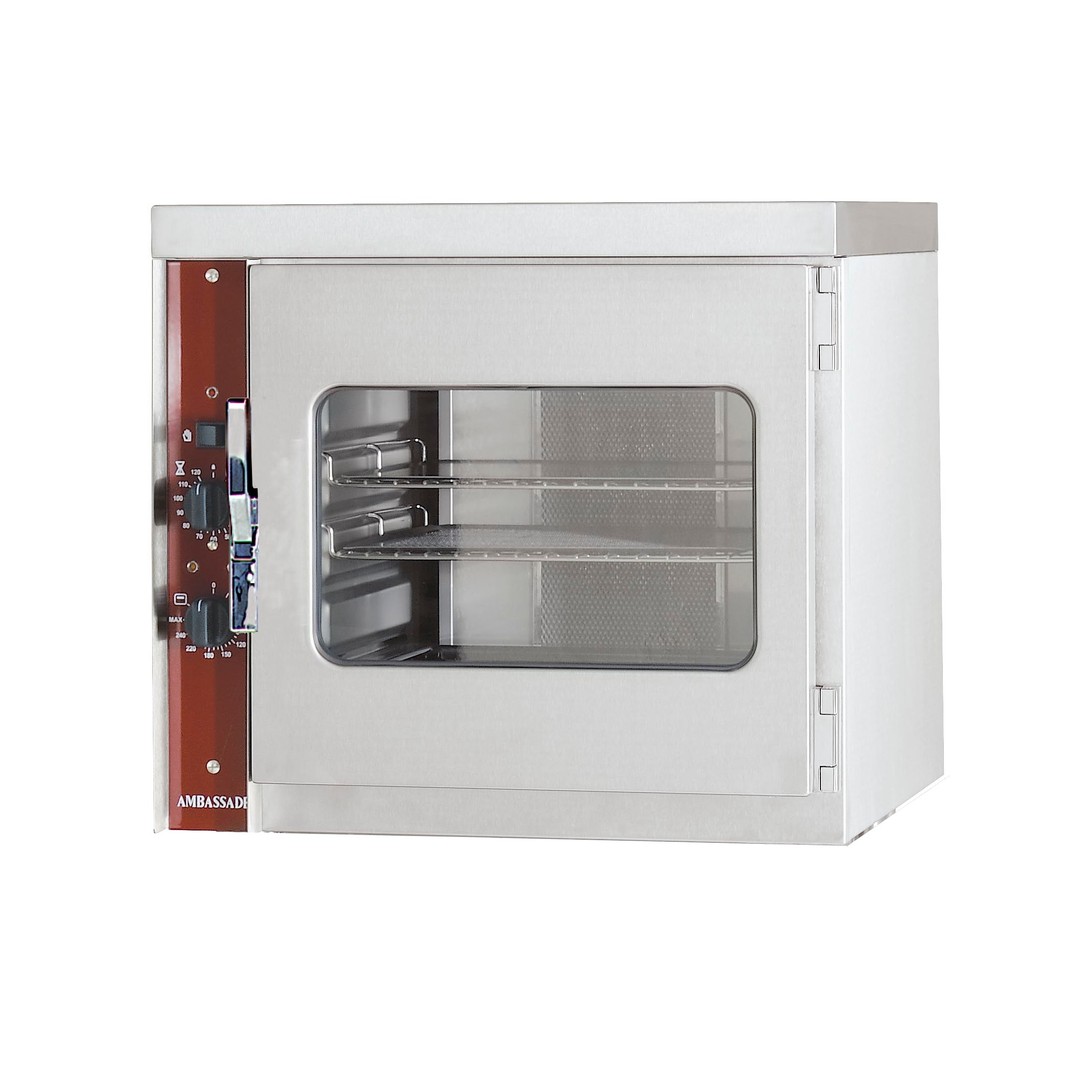
A convection oven uses internal fans to circulate hot air evenly throughout the cooking cavity. This eliminates hot spots and cold spots, gives you consistent browning, and reduces cooking times compared to a standard radiant oven.
For most restaurants running a general menu — roasted meats, baked vegetables, pastries, gratins — a convection oven is the workhorse that handles 80% of your daily production without overcomplicating things. They are straightforward to operate, which means less training time for kitchen staff, and they come in a wide range of sizes from compact countertop units to full-size double-deck models.
Best suited for
- Restaurants with a varied menu that includes roasting, baking, and reheating
- Cafés and coffee shops producing pastries, quiches, and light baked goods
- Hotel kitchens handling banquet-scale production across multiple trays
- Cloud kitchens that need consistent output without specialty workflows
Key specs to look at
Capacity is measured in how many full-size GN pans (Gastronorm 1/1, which is 530 × 325 mm) or sheet pans the oven can hold at once. For a medium-volume restaurant doing 200 to 500 meals per day, a single full-size unit handling 5 to 10 GN trays is typically sufficient. For higher volume or banquet operations, consider a double-deck configuration that doubles your capacity without doubling your floor space.
Also pay attention to the fan system — some models use reversible fans that alternate direction for more even baking, which matters a lot when you are running multiple trays of product at the same time.
Combi Ovens: Maximum Flexibility in One Unit
A combi oven — short for combination oven — merges three cooking modes into a single machine: dry convection heat, steam, and a combination of both. This gives you the ability to bake, roast, steam, poach, smoke, and reheat all in one piece of equipment.
In practical terms, a combi oven can replace a convection oven, a steamer, and in some cases a holding cabinet. That consolidation is a major advantage in Lebanese commercial kitchens where space is often at a premium. One well-chosen combi oven can handle your morning croissants, your lunch service steamed rice and grilled chicken, and your evening roasted meats — all from the same footprint.
Combi ovens also cook significantly faster than standard convection ovens — up to 20% faster in many applications — while retaining more moisture in the food. That means less product shrinkage, better yield on proteins, and a noticeable improvement in food quality that your customers will taste.
Best suited for
- Full-service restaurants that need one oven to handle multiple cooking methods across dayparts
- Hotels and hospital kitchens where menu variety is high and equipment space is limited
- Bakeries producing both bread (which benefits from steam injection) and pastries (which need dry convection)
- Any operation that wants to reduce the number of separate machines in the kitchen
The tradeoff
Combi ovens cost more upfront than convection ovens — sometimes significantly more. They also require a water connection for the steam function and have more components that need regular maintenance, including descaling the steam generator. But for kitchens that will actually use all three modes, the return on investment is strong: fewer machines, less floor space, faster cooking, and better food quality.
We always recommend combi ovens to clients who cook a varied menu and are willing to invest time in learning the programmable features. A combi oven with 50 to 200 stored recipes can transform your kitchen's consistency and speed — but only if your team knows how to use it.
Deck Ovens: The Specialist for Bread, Pizza, and Manakeesh
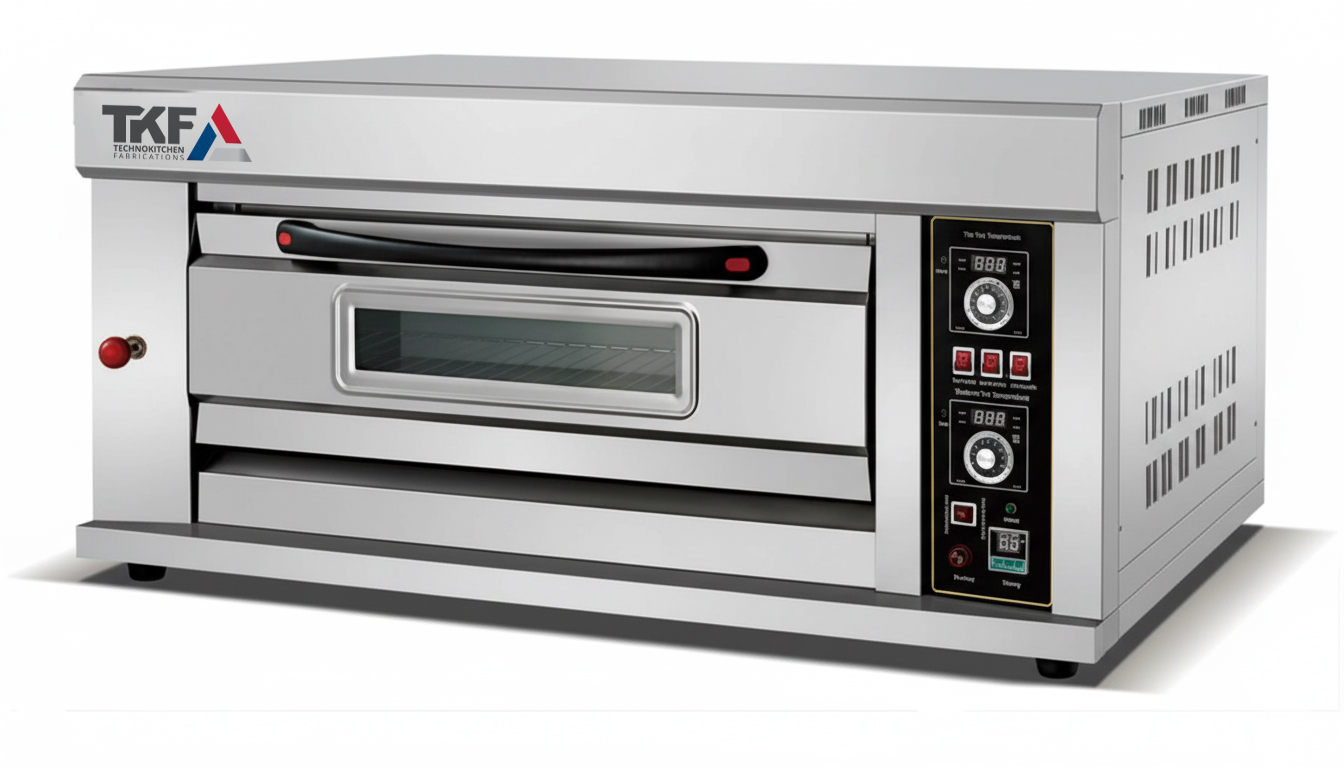
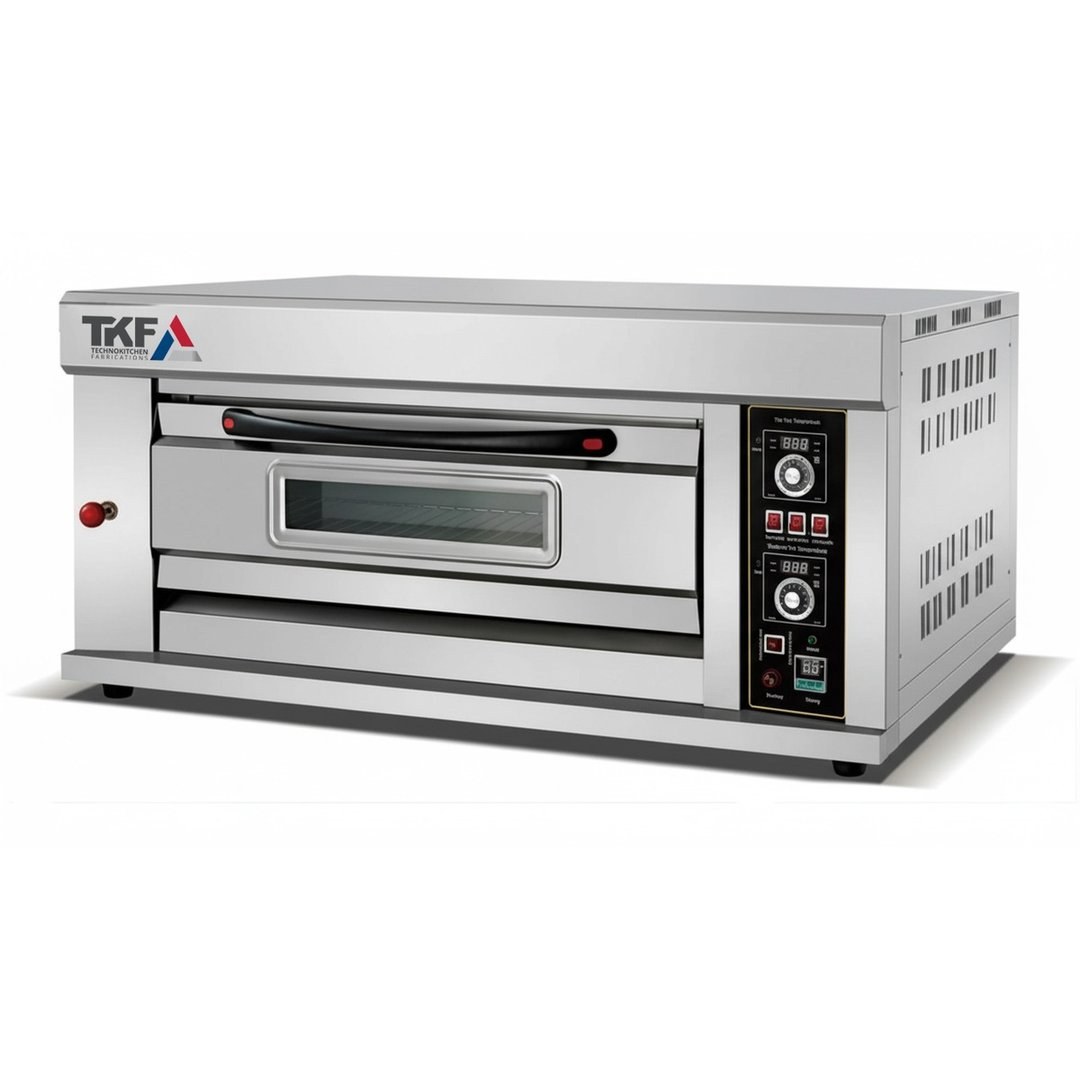
Deck ovens work on a fundamentally different principle. Instead of circulating hot air, they use radiant heat from stone or steel decks to bake products from the bottom up. This direct-contact conduction heat is what gives you a crisp, well-developed crust — the kind you simply cannot replicate in a convection oven.
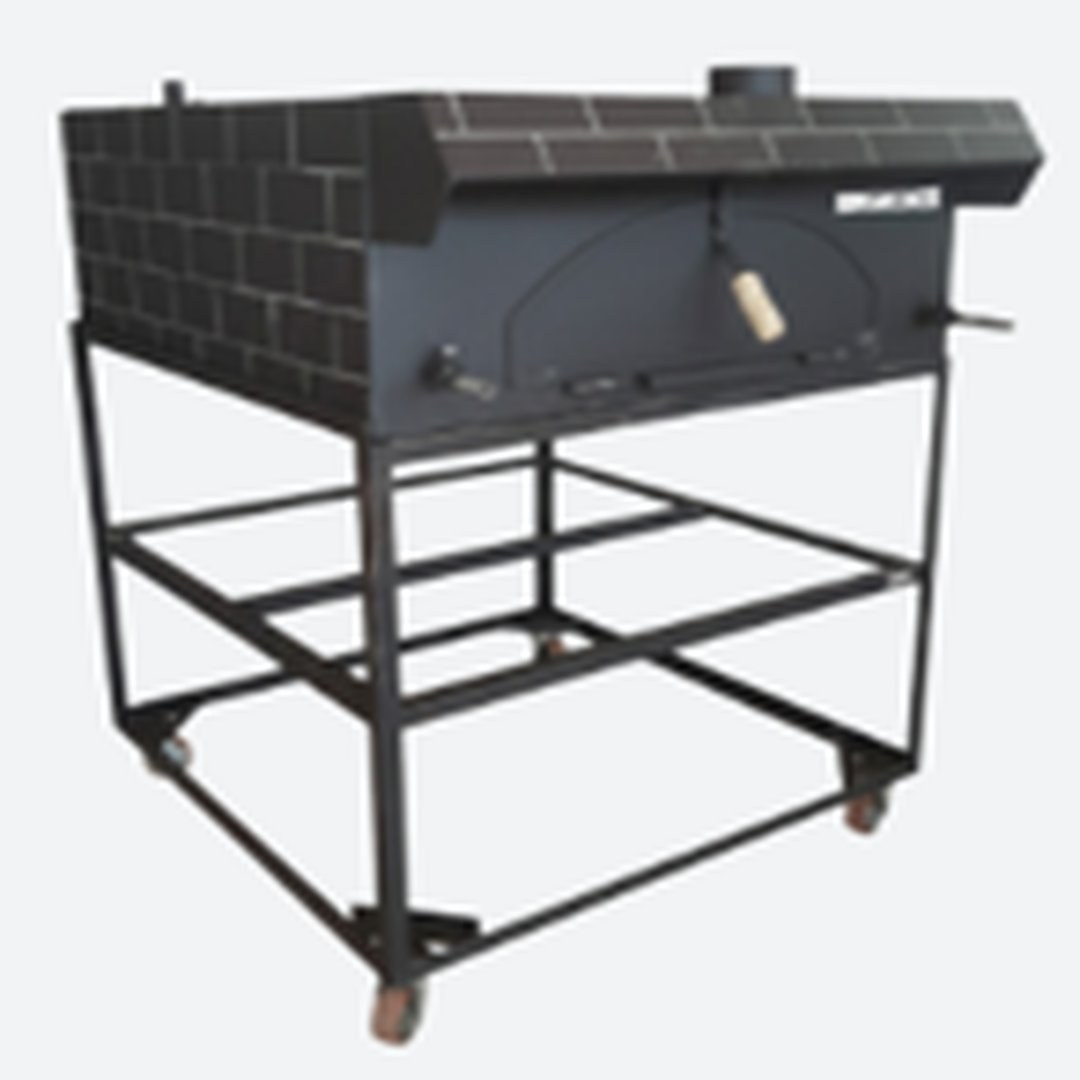
If your business revolves around bread, pizza, manakeesh, or any flatbread product, a deck oven is not optional — it is the foundation of your product quality. There is a reason every serious forn in Lebanon runs deck ovens: the crust development, the char, the texture all depend on that stone-deck heat transfer.
Best suited for
- Pizzerias and Italian restaurants where crust quality defines the product
- Bakeries producing artisan bread, sourdough, baguettes, and Lebanese flatbreads
- Manakeesh shops and forn operations producing high volumes of flatbreads daily
- Any operation where bottom heat and crust development are critical to the final product
Gas vs. electric: a Lebanon-specific consideration
This is where your location matters more than most buying guides will tell you. In Lebanon, where electricity supply remains inconsistent in many areas, gas deck ovens offer an important operational advantage: they keep running during power cuts. For a bakery or manakeesh shop that starts production at 4 AM, losing power mid-bake is not just inconvenient — it destroys product and costs money.
Electric deck ovens do offer one advantage: you can set each deck to a different temperature, which is useful if you are baking different products simultaneously. Gas ovens typically maintain a uniform temperature across all decks. If your power supply is stable and you need that independent deck control, electric may be worth considering.
Another factor: gas ovens usually require a ventilation hood, while some electric models do not. Check your kitchen layout and local regulations before committing.
Conveyor Ovens: Built for Speed and Consistency
Conveyor ovens move food through a heated chamber on a belt system, cooking product continuously without any operator intervention once the speed and temperature are set. This makes them ideal for operations where you need high throughput on a repetitive product — the same pizza, the same flatbread, the same sandwich — cooked identically every single time.
You will find conveyor ovens in fast-food pizza chains, large-scale sandwich operations, and quick-service restaurants where speed and consistency matter more than artisan character. The tradeoff is that you lose the crust quality a deck oven provides, but you gain significant labor savings and production speed.
Best suited for
- High-volume pizza delivery and fast-food pizza operations
- Quick-service restaurants producing sandwiches, flatbreads, and wraps at scale
- Cafeterias and institutional kitchens feeding large numbers on a fixed menu
How to Match Oven Type to Your Operation
Rather than comparing spec sheets endlessly, start with these three questions:
1. What do you cook most often? If 70% or more of your production is bread, pizza, or manakeesh, go with a deck oven. If you run a varied menu across proteins, vegetables, baked goods, and reheating, a combi oven gives you the most flexibility. If your menu is straightforward baking and roasting, a convection oven handles it reliably at a lower cost.
2. What is your peak volume? Calculate how many trays or products you need to push through during your busiest hour. Then add 20 to 30% capacity buffer — you want to grow into your oven, not outgrow it in six months. For high-volume single-product operations, consider a conveyor oven for throughput.
3. What are your kitchen constraints? Measure your available floor space, ceiling height, and proximity to ventilation, gas lines, and water supply. A combi oven needs a water connection. A gas deck oven typically needs a hood. A conveyor oven needs clearance for loading and unloading on both ends. In many Lebanese commercial kitchens, space is the real limiting factor — and that often pushes the decision toward a combi oven that consolidates multiple functions into one footprint.
Energy Source, Installation, and Hidden Costs
The purchase price of the oven is only part of the investment. Installation can add 20 to 50% or more to the total cost depending on your kitchen's existing infrastructure.
Before you commit, verify the following with your supplier:
- Electrical capacity: Does your kitchen's electrical panel support the oven's power requirements? Many commercial ovens run on three-phase 380V power — not all Lebanese buildings have this without an upgrade.
- Gas connection: If choosing gas, is there an existing gas line or does one need to be installed? Are the connections and pressure compatible with the oven's requirements?
- Ventilation: Most commercial ovens — especially gas models — require a proper exhaust hood. Factor in the cost and installation of ventilation if your kitchen does not already have it.
- Water supply: Combi ovens require a dedicated water connection, ideally with a water softener to prevent limescale buildup in the steam generator.
- Certifications: Always verify that the equipment carries CE marking for safety compliance. HACCP-compatible design features — like easy-clean interiors and sealed control panels — are important for food safety and inspections.
At IPEC, we handle installation and setup as part of our full-service offering, so you do not need to coordinate multiple contractors. We will assess your kitchen infrastructure, recommend the right electrical and ventilation setup, and make sure everything is operational before we hand over the keys.
FAQ: What Oven Should I Buy?
This is the question we hear most often, and the honest answer is: it depends on your operation. But here is a quick decision framework based on what we have seen work across thousands of kitchens in Lebanon:
- Opening a restaurant with a varied menu? Start with a combi oven. It gives you the most flexibility for the investment, and you can always add a specialized oven later as your menu evolves.
- Running a pizzeria or manakeesh shop? A deck oven is non-negotiable. No other oven type will give you the crust quality your customers expect.
- Operating a hotel or institutional kitchen? You likely need both — a combi oven for versatility and a convection oven for volume. Consider your daily meal count and plan capacity accordingly.
- Starting a bakery? Deck ovens for bread and artisan products. Add a convection oven for pastries, cookies, and lighter baked goods that benefit from even airflow.
- Running a fast-food or high-volume delivery operation? Look at conveyor ovens for throughput and consistency on repetitive items, with a deck or convection oven as backup for items that need more attention.
Browse IPEC's full commercial oven range or visit our showroom in Zouk Mosbeh — our team will walk you through the options based on your specific menu, volume, and kitchen layout.
Why IPEC for Your Commercial Oven
Since 1980, IPEC has been equipping restaurants, hotels, bakeries, hospitals, and institutional kitchens across Lebanon with professional-grade commercial ovens and cooking equipment. We carry CE-certified equipment from trusted international brands including Roller Grill, Charvet, Fischer, and TechnoKitchen.
But selling equipment is only part of what we do. We provide complete kitchen solutions — from initial consultation and kitchen design through professional installation and ongoing after-sales support. Our 4.9-star Google rating from over 955 reviews reflects the kind of service that has kept Lebanese F&B operators coming back for over four decades.
Ready to choose your oven? Contact us or call +961 70 389000 for a personalized recommendation. You can also browse our ovens collection online and request a quote directly.