Why Your Refrigeration Choice Can Make or Break Your Kitchen
In Lebanon's climate — with summer temperatures regularly exceeding 35°C and power supply fluctuations that are a fact of daily life — commercial refrigeration is not a commodity purchase. It is one of the most strategically important investments you will make for your restaurant, hotel kitchen, hospital catering unit, or cloud kitchen operation.
The wrong unit leads to spoiled inventory, HACCP compliance failures, sky-high electricity bills, and frustrated kitchen staff. The right one quietly keeps your mise en place at safe temperatures, protects your food cost margins, and performs reliably for a decade or more. With 45 years of equipping commercial kitchens across Lebanon and the MENA region, the team at IPEC Lebanon has seen what works — and what doesn't — in real-world operating conditions.
This guide will walk you through the main categories of commercial refrigeration, the key specifications to evaluate, and the practical questions to ask before you buy. Throughout the guide, we link to representative units available in the IPEC shop — each one CE-marked, HACCP-ready, and supported by our in-country service team.
Understanding the Three Main Categories of Commercial Refrigerators
Commercial refrigeration broadly divides into three families: reach-in cabinets, under-counter units, and walk-in cold rooms. Each serves a distinct operational role, and many professional kitchens require more than one type working in tandem.
Reach-In Refrigerators
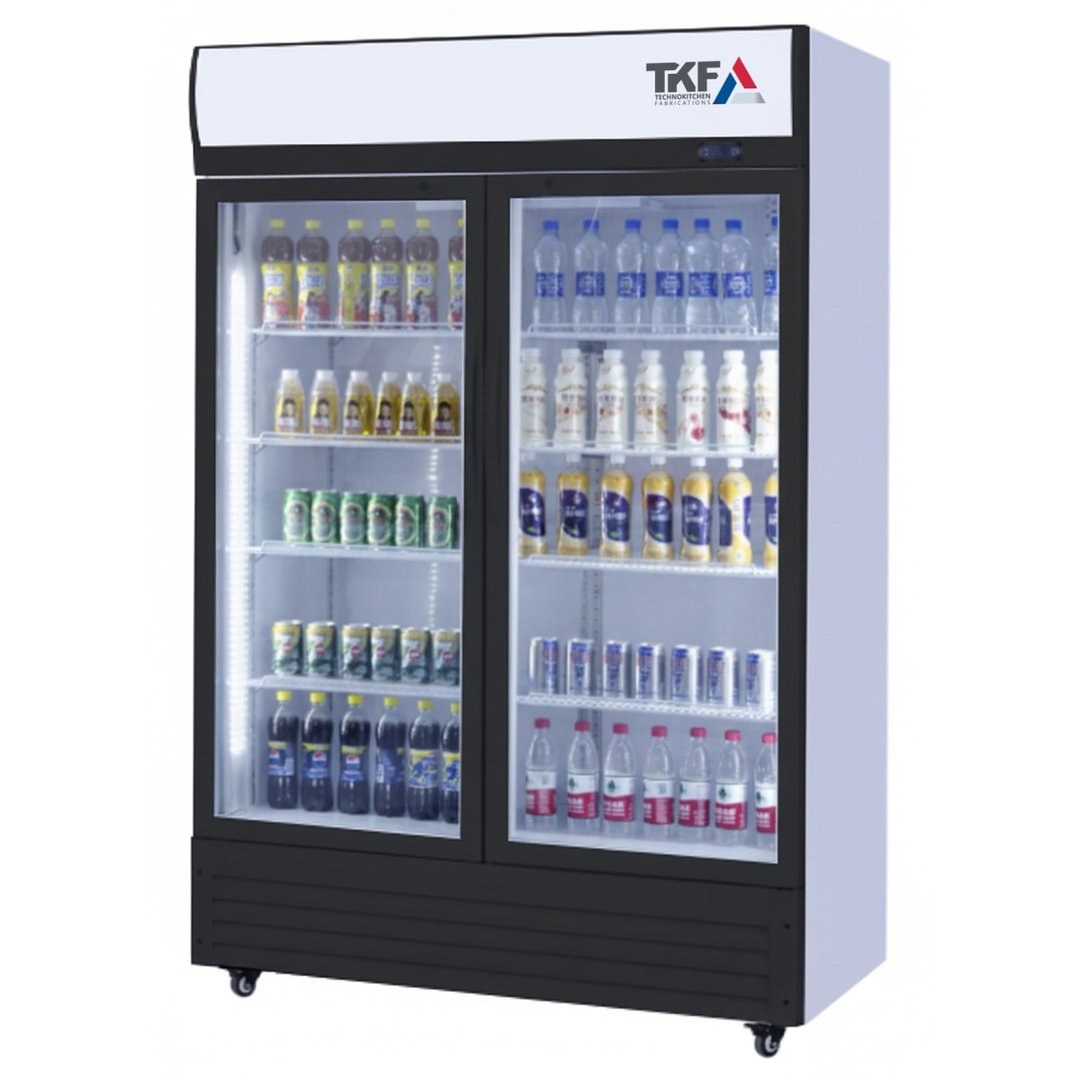
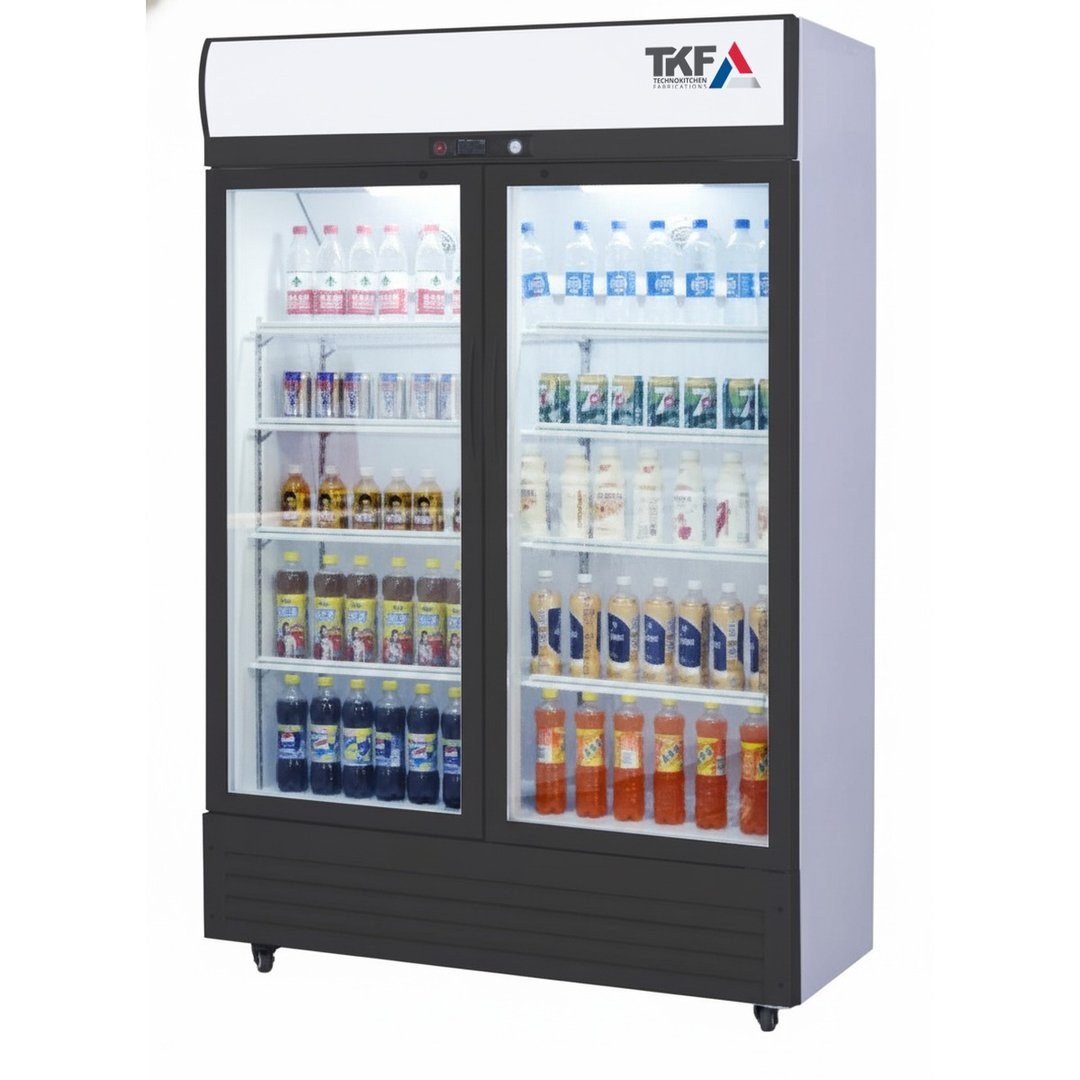
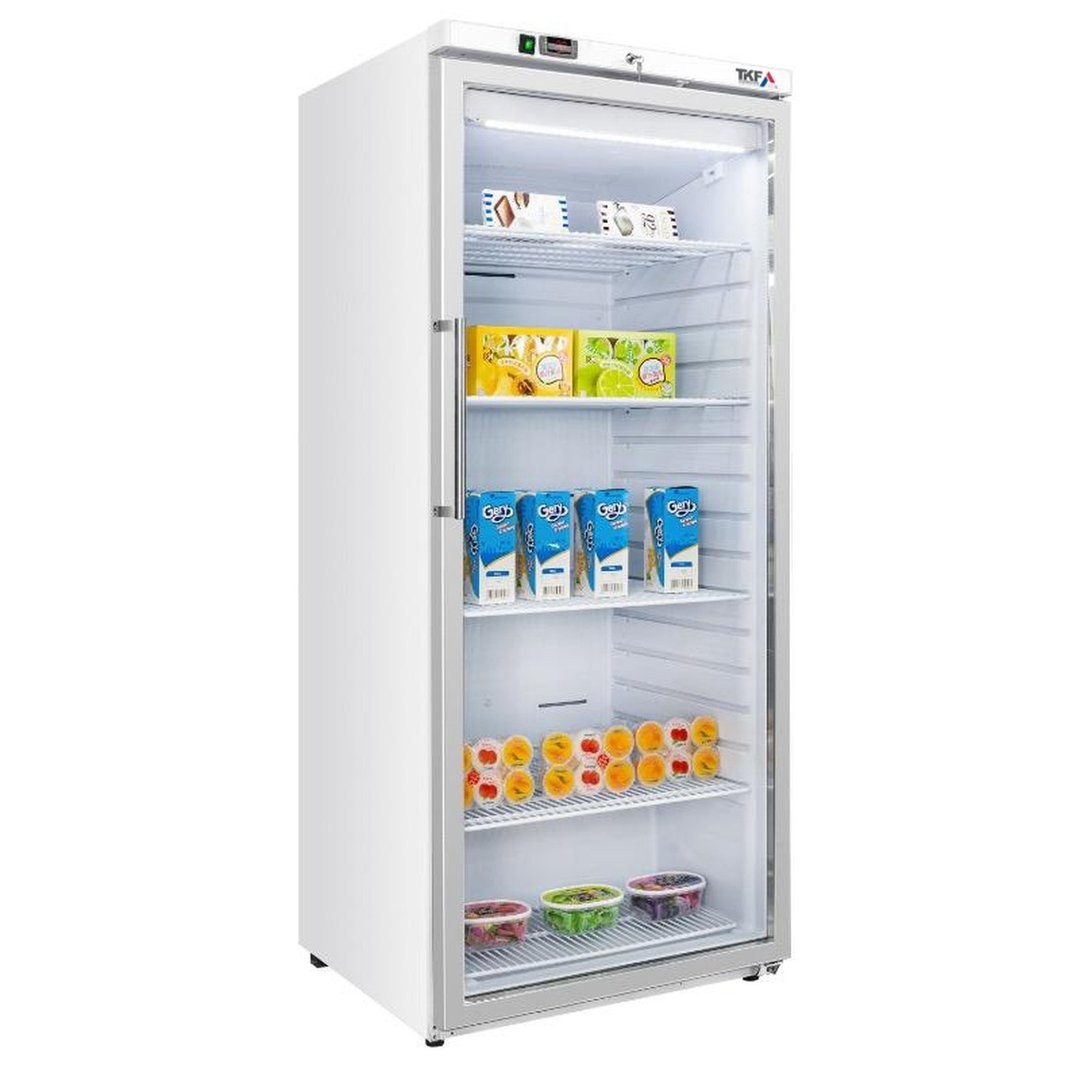
The workhorse of the professional kitchen, the reach-in refrigerator is a freestanding upright cabinet — typically one, two, or three doors wide — that provides high-volume cold storage accessible from a standing position. Capacities generally range from 300 to 1,400 litres, and units are available in full-height or half-height configurations.
For a busy restaurant kitchen in Beirut or a hotel banqueting operation, a two- or three-door stainless steel reach-in is often the centrepiece of the cold storage plan. Look for units with fan-assisted forced air cooling for uniform temperature distribution, self-closing doors with magnetic gaskets, and interior lighting to support rapid stock checks during a service rush.

Key specs to compare:
- Temperature range: typically +2°C to +8°C for refrigerators, -18°C to -22°C for freezers
- Refrigerant type: R290 (propane) or R134a units are preferred for environmental compliance; verify with your supplier
- Energy classification: look for A or A+ rated units to manage electricity consumption
- CE marking: mandatory for units sold in compliant markets; confirms electrical and safety standards
- Condenser placement: top-mounted condensers run cooler in hot ambient kitchens; bottom-mounted units are easier to clean but accumulate dust faster in Lebanese kitchen conditions
Under-Counter Refrigerators
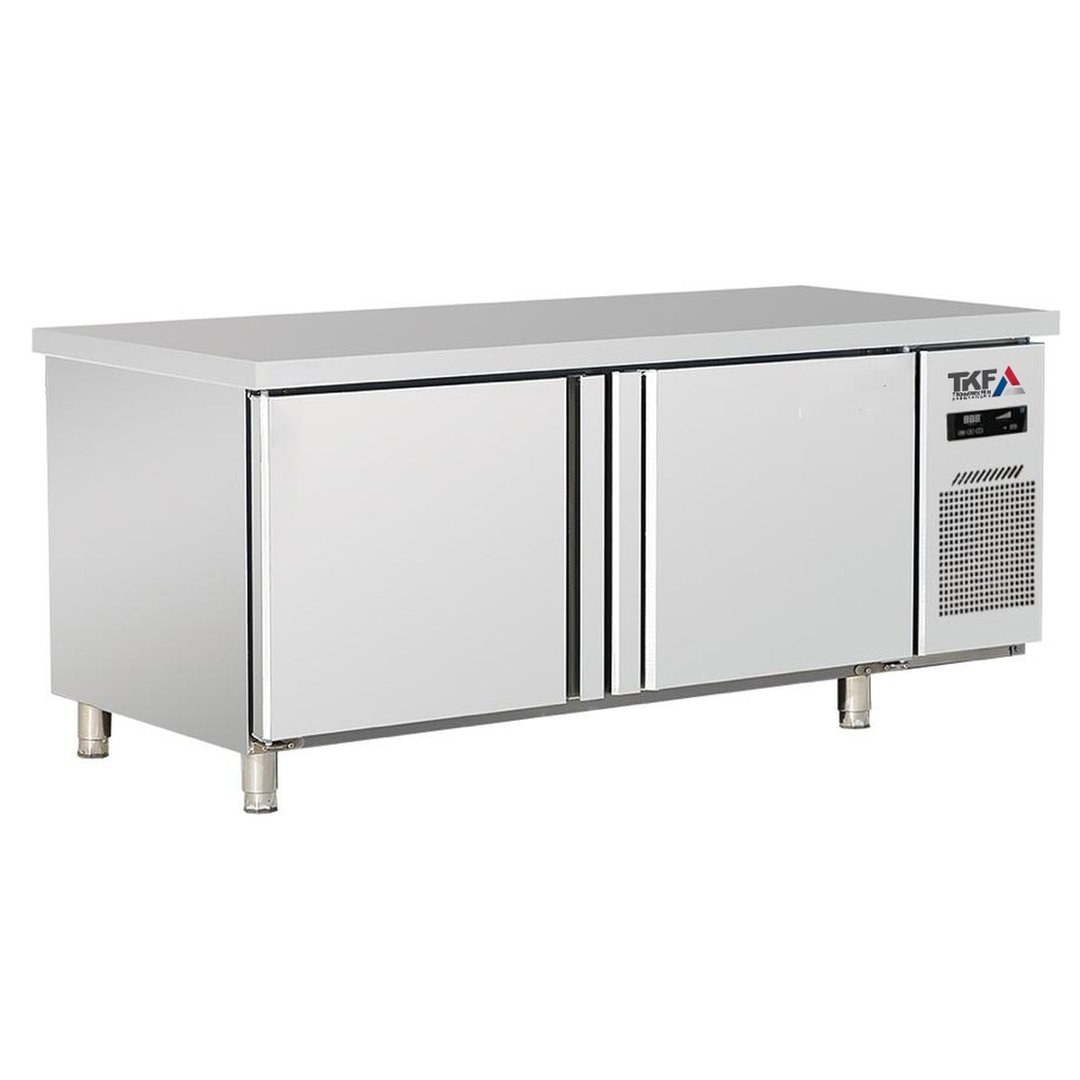
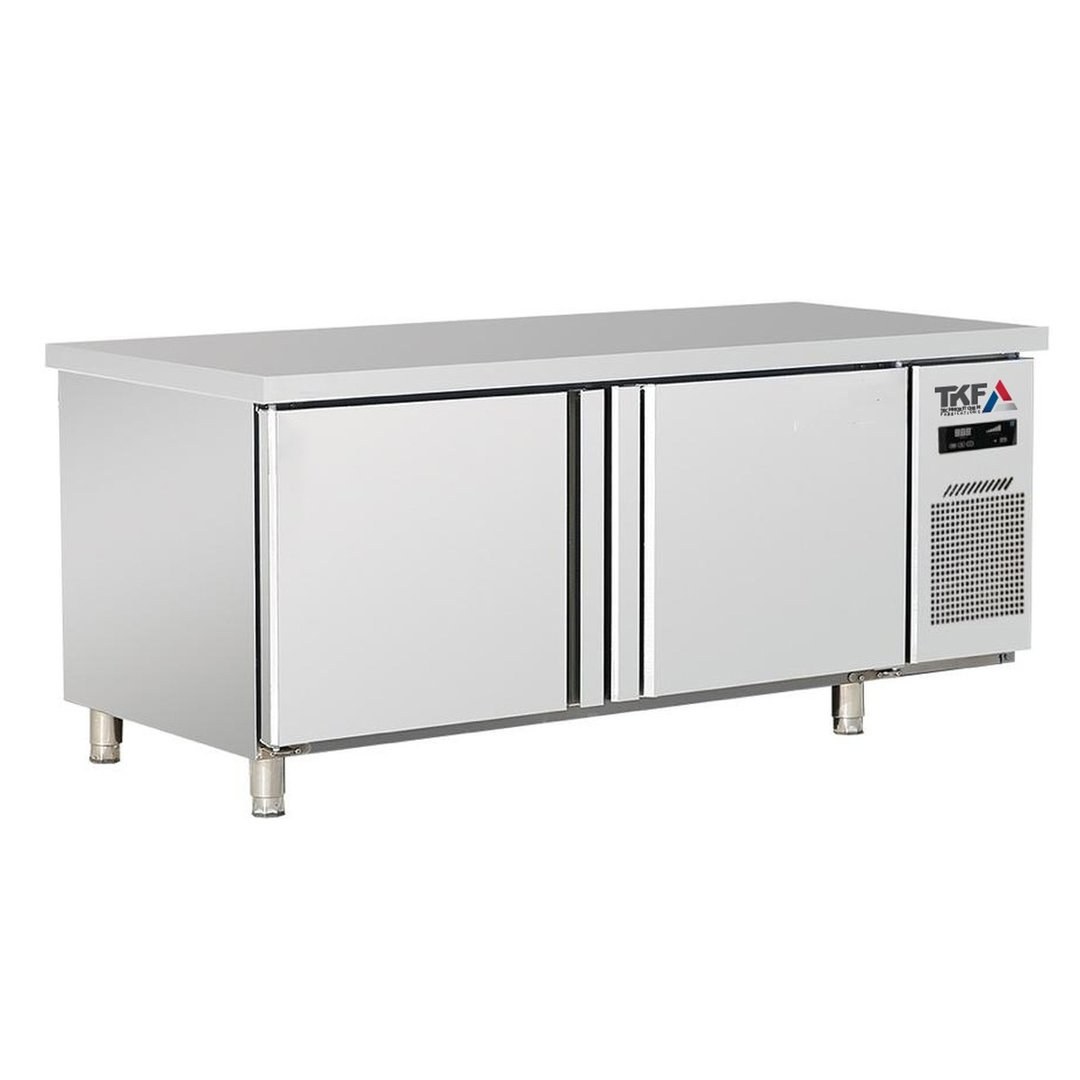
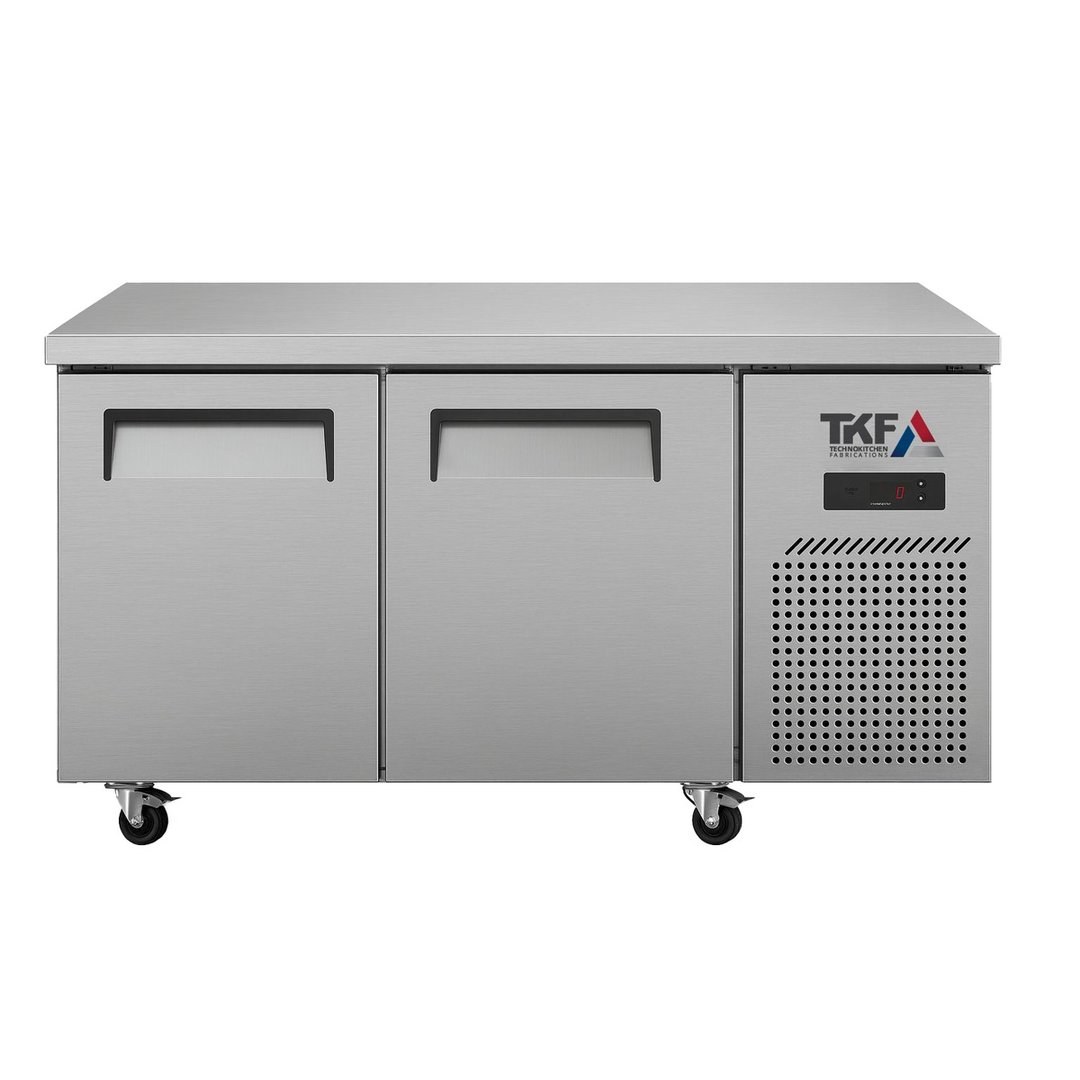
Designed to fit beneath a standard 90cm worktop, under-counter refrigerators are the solution for kitchens where space is at a premium — a characteristic challenge in many Beirut restaurant fit-outs. They are equally valuable as point-of-use cold storage at specific prep stations: a meat section, a pastry corner, or a pizza make line.
Capacities typically run from 100 to 280 litres for compact units, and 390–600 litres for extended counter refrigerators that span a full workstation. While the footprint is compact, do not compromise on build quality: a poorly insulated under-counter unit will struggle in a hot kitchen environment and cycle its compressor constantly, inflating your electricity bill. Opt for units with 2/1 GN (Gastronorm) compatible shelving so your standard containers slide straight in without adapters.
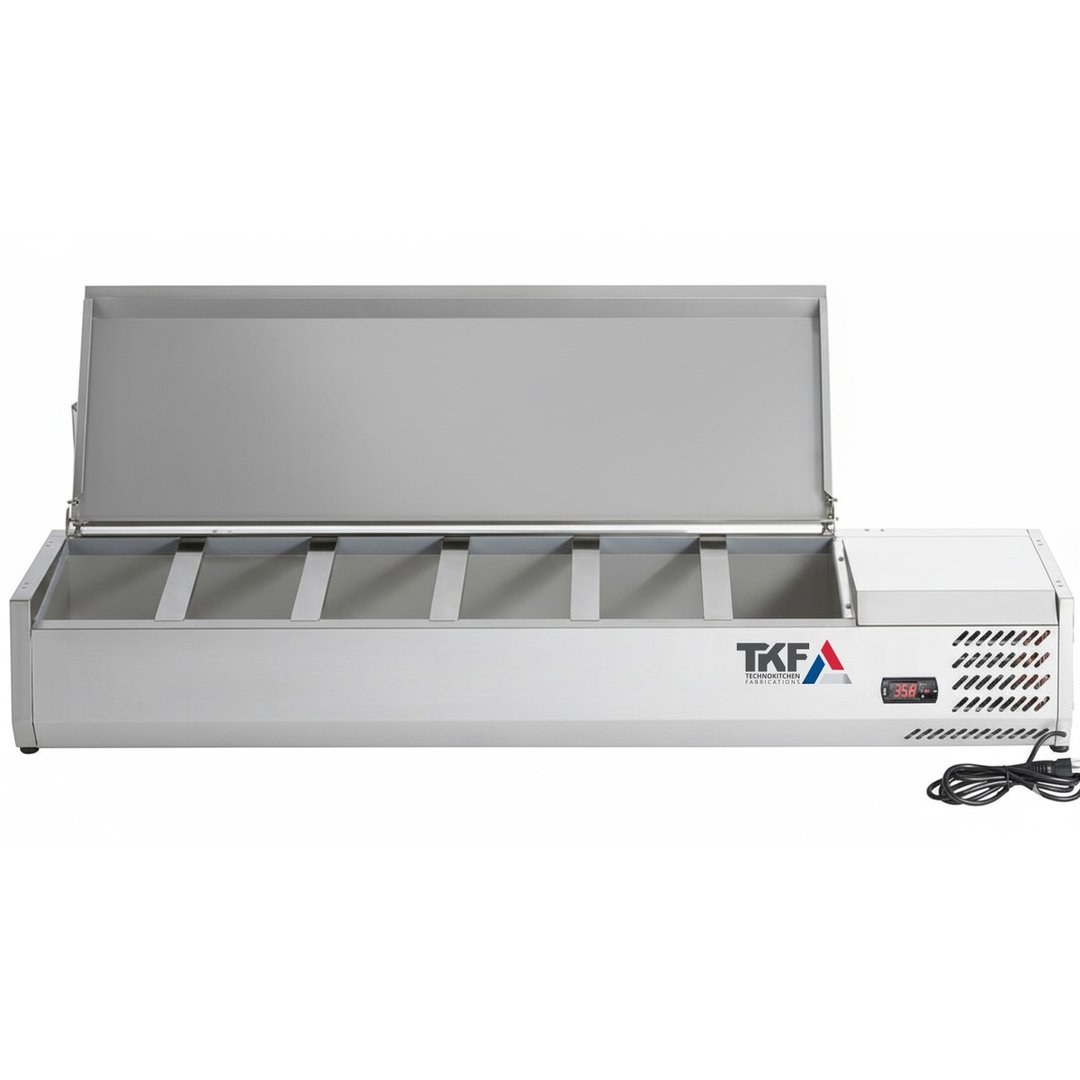
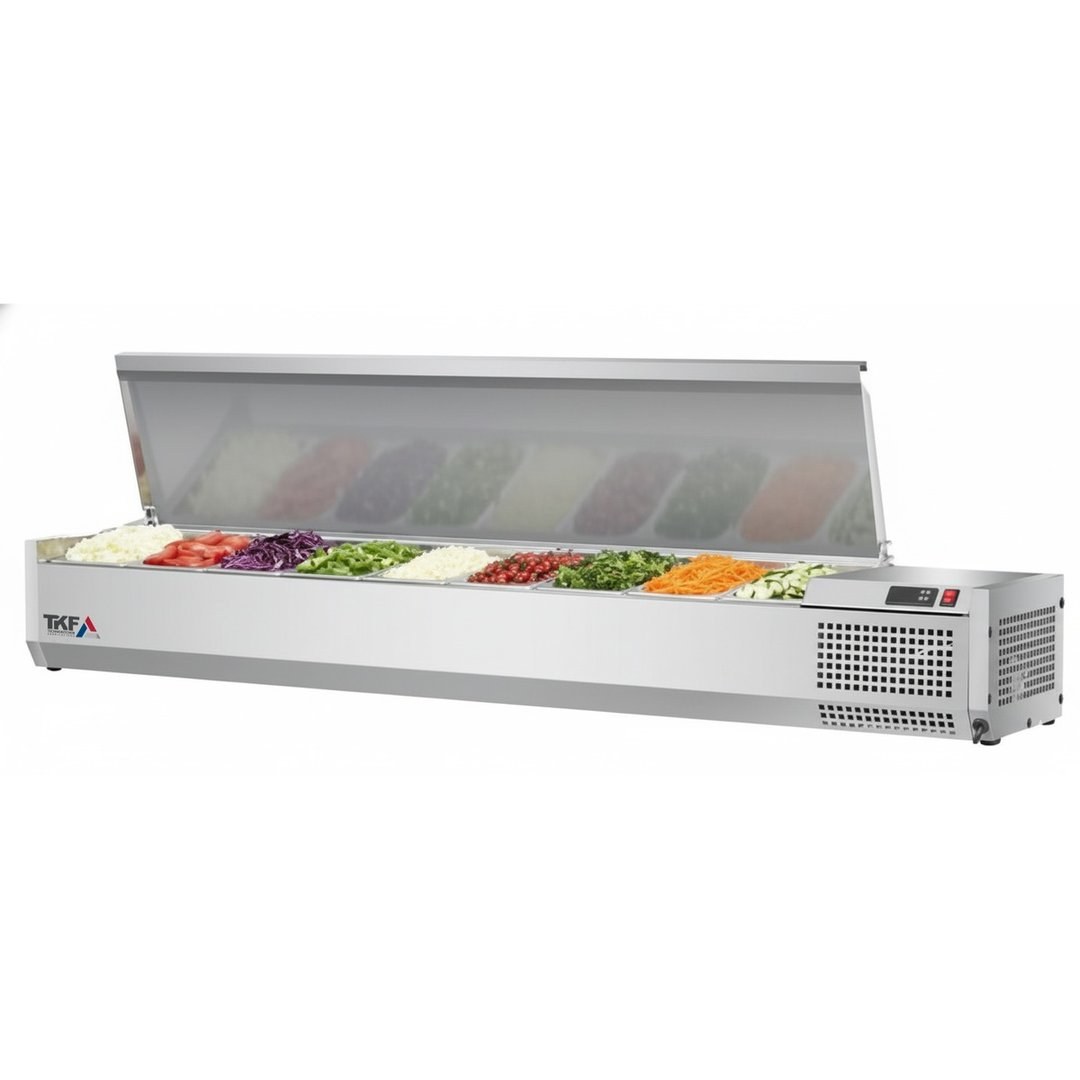
For pizza operations, saladettes — refrigerated counters with an open top rail for ingredient inserts — are a specialist category of their own. The same format serves cold pasta stations, salad prep lines, and sandwich counters. Browse IPEC's pizza essentials collection for units purpose-built for this application.
Walk-In Cold Rooms
When volume demands exceed what individual cabinets can handle — as is typically the case for hotels, hospital catering departments, central production kitchens, and larger restaurant groups — a walk-in cold room becomes necessary. These are modular insulated panel systems, custom-built to the dimensions of your space, paired with a dedicated refrigeration unit (monoblock or split system).
Walk-in rooms offer several operational advantages: staff can enter to retrieve stock without repeatedly opening a cabinet door (reducing temperature fluctuation), entire trolleys of product can be moved in and out efficiently, and you can segment different product categories — raw meat, dairy, prepared foods — into separate compartments to comply with HACCP cross-contamination rules.
Critical considerations for walk-in installations in Lebanon:
- Panel insulation thickness: 80mm–100mm polyurethane panels are standard; in warmer regions or high-usage kitchens, 100mm+ is recommended
- Split vs. monoblock refrigeration unit: split systems locate the condenser outside, reducing heat load inside the kitchen — a significant benefit in Lebanese summer conditions
- Floor loading: ensure structural slab capacity is assessed before specifying a large walk-in
- Voltage stability: specify units compatible with Lebanon's voltage conditions, and consider a voltage stabiliser or UPS as part of the installation
Walk-in cold rooms are project-engineered rather than sold off-the-shelf. IPEC offers full design, supply, and installation services — visit our installation services page to learn how our technical team manages the complete process from site survey to commissioning, or contact us to scope your project.
Retail and Display Refrigeration
Beyond back-of-house storage, many operators need refrigeration that is part of the customer experience: a patisserie counter, a grab-and-go cabinet, a deli display, or a retail freezer for an in-store bakery. These units are designed for visibility, ambient lighting, and presentation — not just cold storage.
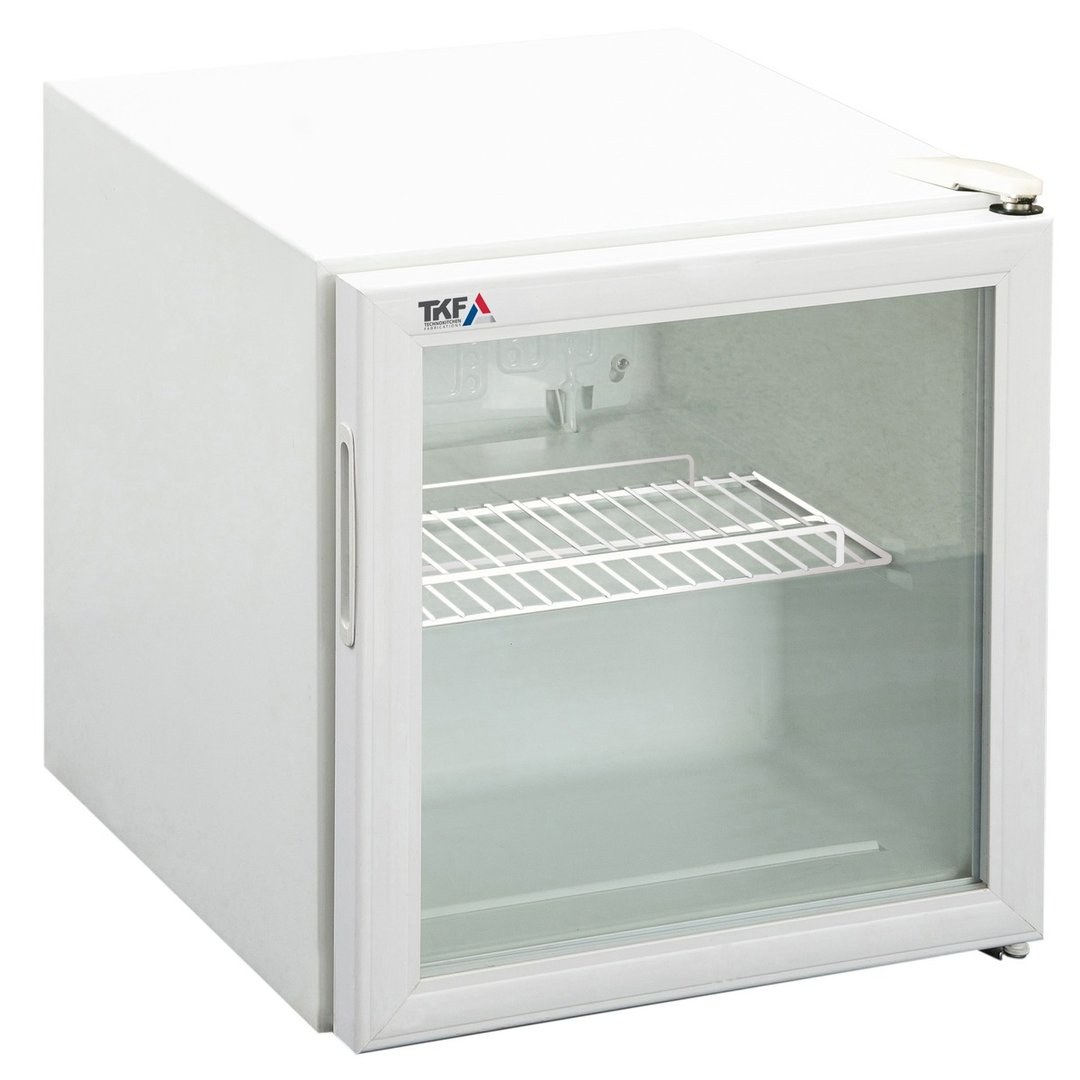
Explore more display units under the Refrigeration Equipment category on the IPEC shop.
HACCP Compliance: What Lebanese Food Business Operators Must Know
Whether you operate under Lebanese Ministry of Public Health regulations, hold an ISO 22000 certification, or comply with HACCP protocols as required by international hotel brands or hospital accreditation bodies, your refrigeration equipment must support documented temperature control.
This means:
- Accurate thermometers — built-in digital displays are standard on professional units; external probes add redundancy
- Alarm systems — door-open alarms and temperature exceedance alerts (audible and, on networked units, remote notification) are increasingly standard on quality European brands
- Temperature logging — some units offer integrated data logging; alternatively, standalone loggers can be retrofit-fitted inside any cabinet
- Door gasket integrity — regular inspection and replacement of door seals is a HACCP maintenance requirement; choose brands with readily available spare parts in Lebanon
If temperature monitoring is a priority for your operation, IPEC's wireless temperature monitoring collection and HACCP kit complement refrigeration purchases with the documentation tools your auditor will expect to see.
When purchasing through IPEC, our team can advise which units in our range are already specified by internationally accredited kitchens across the region and provide the technical datasheets you need for your compliance documentation.
Navigating Lebanon's Power Supply Reality
Any honest commercial refrigeration guide for the Lebanese market must address the elephant in the room: power supply instability. Between EDL supply hours, generator transitions, and voltage irregularities, refrigeration equipment in Lebanon faces operating conditions significantly harsher than what the manufacturer designed for in a European or Gulf context.
Practical measures to protect your investment:
- Voltage stabilisers: a three-phase electronic stabiliser upstream of your refrigeration circuits is strongly recommended for high-value units
- Automatic phase protection: specify units or fit external protection relays that prevent compressor start-up during low or unbalanced voltage conditions
- Generator compatibility: confirm that your refrigeration units are compatible with generator power, including the brief voltage spike that occurs at generator start-up
- Compressor quality: Embraco, Danfoss, and Copeland are among the compressor brands associated with durability under variable operating conditions
- Service network: buy from a supplier with a local technical service team — in Lebanon, this is not optional. Equipment requires periodic servicing and, inevitably, repair. IPEC's in-country service capability is one of the reasons our clients return to us after 45 years.
Which Brands Should You Consider?
The commercial refrigeration market ranges from budget imported units with limited aftersales support to premium European brands engineered to last 15–20 years with proper maintenance. For a professional kitchen, the total cost of ownership — factoring in energy consumption, repair frequency, and downtime cost — almost always favours investing in a quality brand.
IPEC Lebanon works with a curated portfolio of trusted manufacturers. Visit our brands page to explore the full lineup, including European brands known for durability and energy efficiency in demanding MENA operating environments.
As a general framework:
- High-volume restaurants and hotels: prioritise European-branded stainless steel units with forced air cooling, GN compatibility, and available spare parts in Lebanon — see the hotel kitchen essentials collection
- Cloud kitchens: consider modular undercounter units that can be reconfigured as your menu offering evolves; upright reach-ins for bulk ingredient storage — start with the cloud kitchen starter collection
- Hospital and institutional catering: specify units explicitly designed for HACCP environments, with smooth interior surfaces, antimicrobial gaskets, and temperature logging capability — see the hospital kitchen essentials collection
- Bakeries and pastry operations: retarder-proofer cabinets serve a dual refrigeration and proofing function — a specialised category worth discussing with our team
FAQ: Quick Answers to Common Questions
What commercial refrigerator do I actually need?
Start with your menu and your storage volume. Calculate the litres of cold storage required for your busiest service period's mise en place, plus receiving stock. As a rule of thumb, a 50-cover restaurant typically requires a minimum of 800–1,200 litres of refrigerated storage across its units. If in doubt, speak to one of IPEC's kitchen planning consultants — this is a free service we offer to qualified projects.
Should I buy a refrigerator or a freezer — or both?
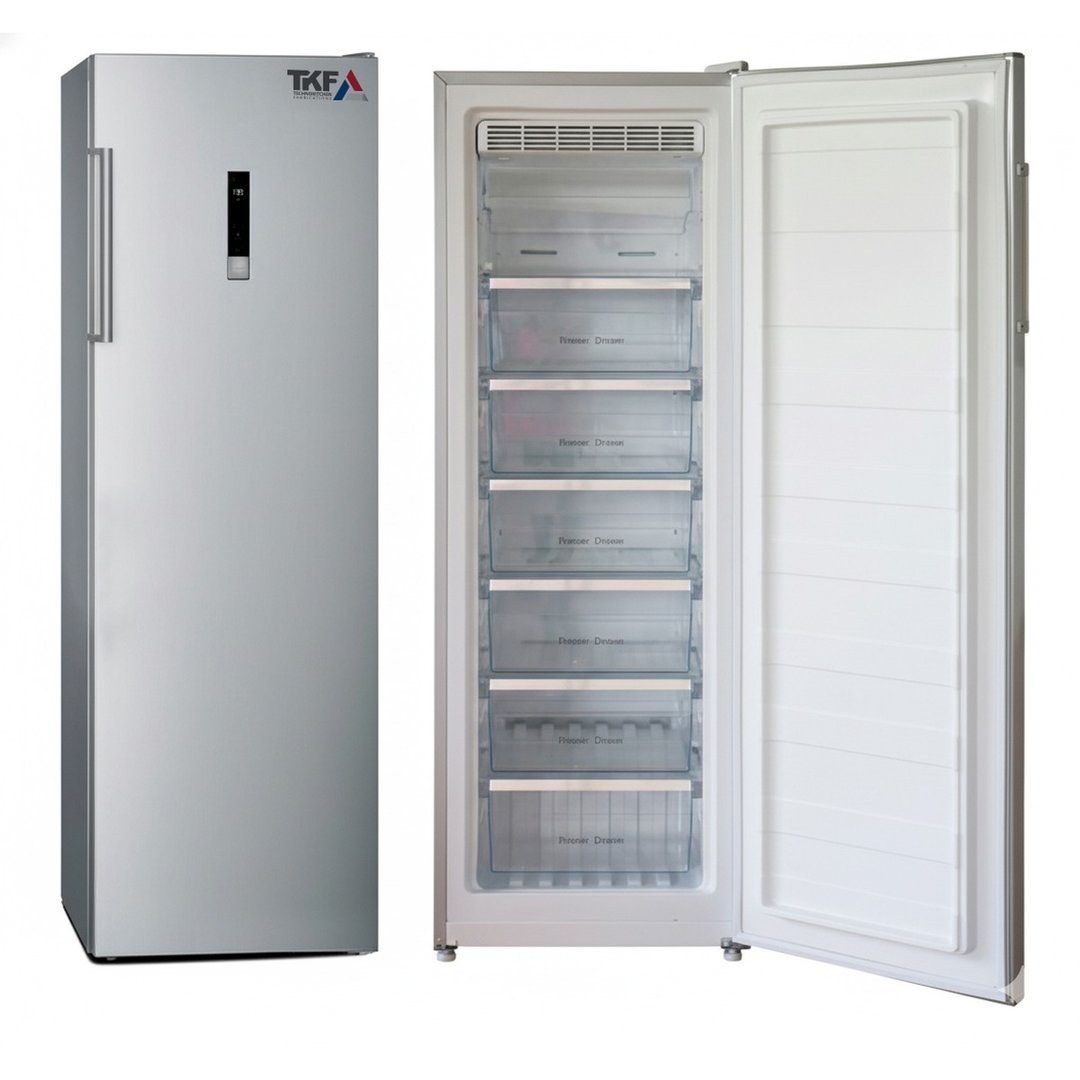
Most kitchens require both. The ratio depends on your menu: a fresh-fish-focused Lebanese restaurant may need more refrigeration than freezer space, while a concept using significant imported frozen product will need the inverse. Combination fridge-freezer cabinets (with separate compartments) exist but are generally a compromise; dedicated units perform better.
How often does a commercial refrigerator need servicing?
A minimum of once per year for a full preventive maintenance visit: condenser cleaning, refrigerant level check, compressor inspection, door gasket assessment, and thermostat calibration. In dusty or high-grease kitchen environments — common in Lebanon — condenser cleaning every six months is advisable. IPEC offers service contracts that cover scheduled maintenance.
Can I use a domestic refrigerator in my restaurant?
No. Domestic refrigerators are not designed for the duty cycle, ambient temperatures, or hygiene requirements of a professional kitchen. They will fail prematurely, will not maintain safe food temperatures under heavy use, and will not pass any credible health inspection. Commercial refrigeration is a non-negotiable investment for any licensed food business.
What warranty should I expect?
Standard commercial refrigerator warranties from reputable brands typically cover 12–24 months on parts and labour, with compressor warranties of 2–5 years on quality units. Always confirm what the warranty covers in Lebanon specifically — imported grey-market units often carry warranties that cannot be honoured locally.
Ready to Spec Your Cold Storage?
With 45 years of experience equipping commercial kitchens across Lebanon and the wider MENA region, IPEC Lebanon is the partner you want when making refrigeration decisions that will shape your kitchen's performance for the next decade.
Browse our full commercial refrigeration range online, explore ready-to-spec collections for restaurants, hotels, cloud kitchens and hospitals, or contact our team to discuss your project. We offer site surveys, kitchen planning consultancy, supply, installation, and aftersales service — all under one roof.