Whether you're opening a new restaurant in Beirut, expanding a hotel kitchen in the Metn, or launching a cloud kitchen operation, one decision will shape every service that follows: how you lay out your kitchen. A well-planned commercial kitchen isn't just about fitting equipment into a space — it's about creating a workflow that protects food safety, maximises your team's efficiency, and keeps you compliant with Lebanon's Ministry of Health inspection requirements.
At IPEC, we've been designing and equipping professional kitchens across Lebanon and the MENA region since 1980. Over 45 years, we've learned that the most successful kitchens — from Michelin-calibre hotel restaurants to high-volume cloud kitchens — share one thing in common: they're built around five clearly defined workflow zones.
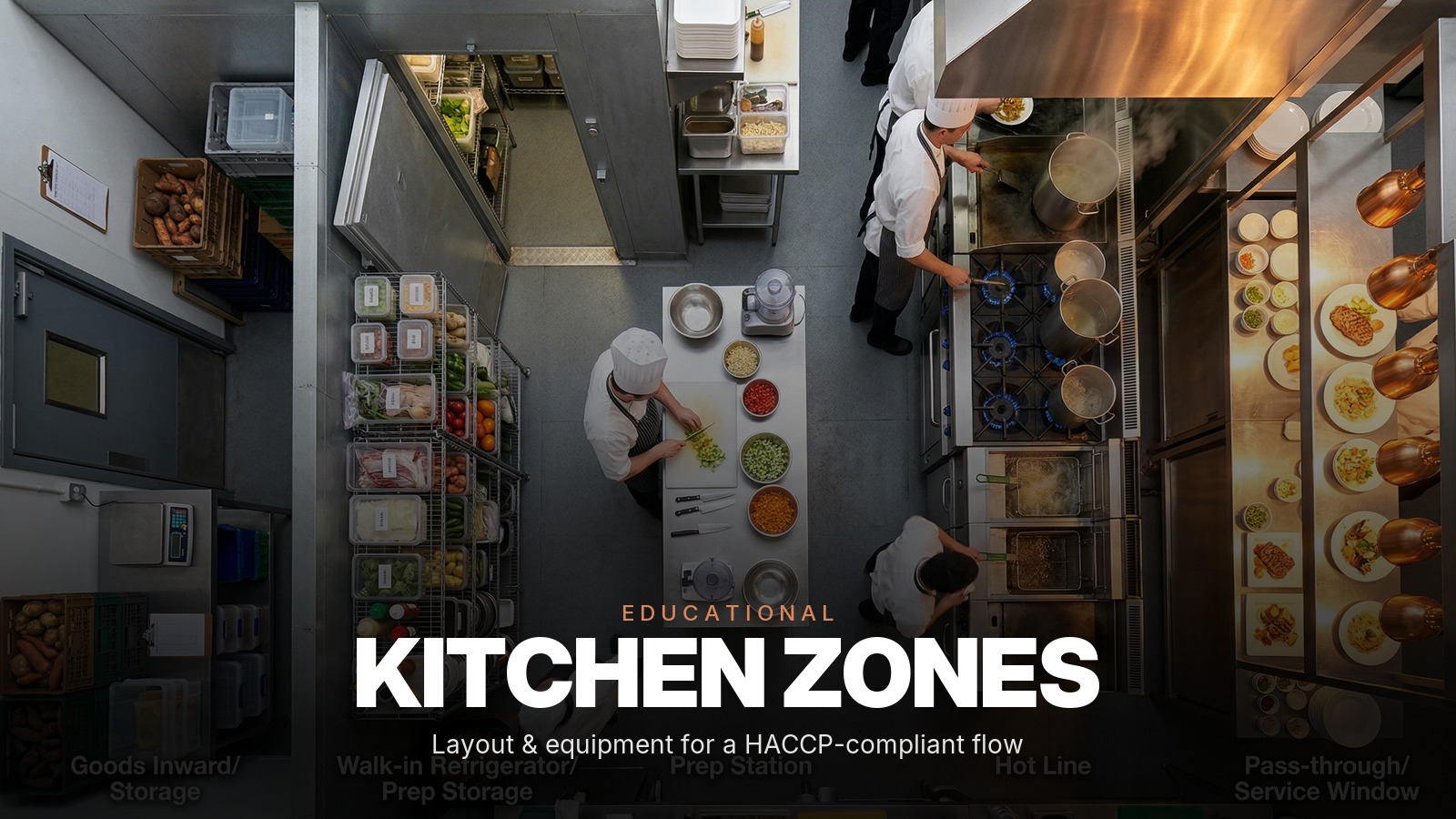
The infographic above gives you a bird's-eye view of how these zones relate to one another. In this guide, we'll walk through each zone in detail: what it does, what equipment belongs there, and how to configure it for HACCP compliance. If you'd like expert eyes on your specific space, IPEC offers free kitchen layout consultations — just bring your floor plan.
Why Zone-Based Kitchen Design Matters in Lebanon
Lebanon's Ministry of Health applies HACCP (Hazard Analysis and Critical Control Points) principles during restaurant and food facility inspections. One of the core requirements is the physical or procedural separation of food handling stages — raw receiving, cold storage, preparation, cooking, and service must not contaminate one another.
A zone-based layout enforces this naturally. It creates a logical, one-directional flow — food moves forward through the kitchen, never doubling back — which reduces cross-contamination risk, speeds up service, and makes training new staff dramatically easier. For restaurants, hotels, hospitals, and catering operations across Lebanon, it's not just best practice; it's increasingly an inspection requirement.
With that context in place, let's break down each zone.
Zone 1: The Receiving Area
Every ingredient that enters your kitchen passes through the receiving zone first. This is your first line of food safety defence — and it's frequently the most under-equipped area in Lebanese commercial kitchens.
What Happens Here
Deliveries arrive, quantities are verified against purchase orders, and — critically — temperatures are checked before goods are accepted. A delivery of fish or poultry that arrives above the safe threshold (+4°C for chilled, -18°C for frozen) must be rejected at this point, not discovered later in the walk-in.
Essential Equipment for the Receiving Zone
- Receiving scales — heavy-duty platform scales to verify weights against invoices
- Probe thermometers — calibrated digital thermometers for spot-checking delivery temperatures
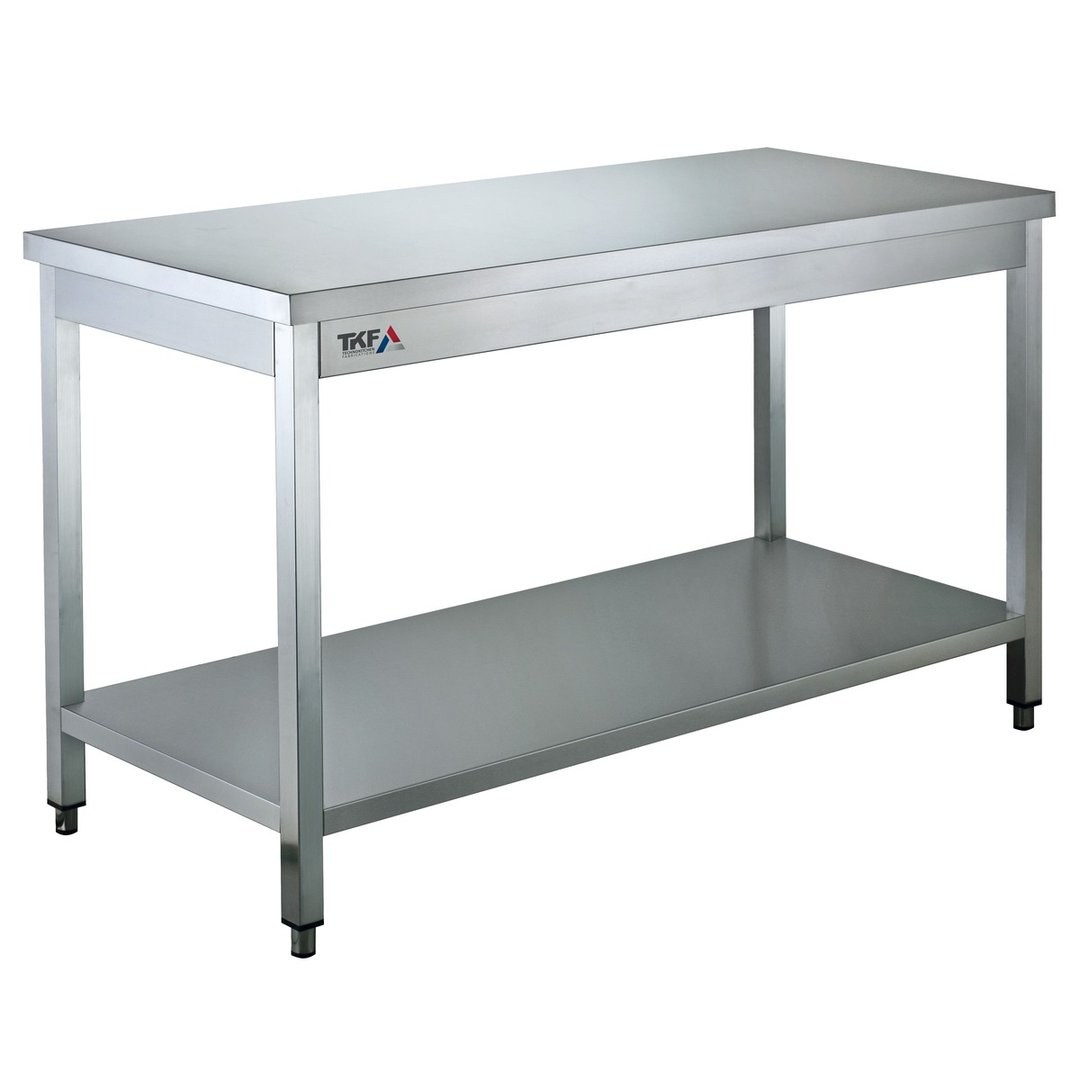
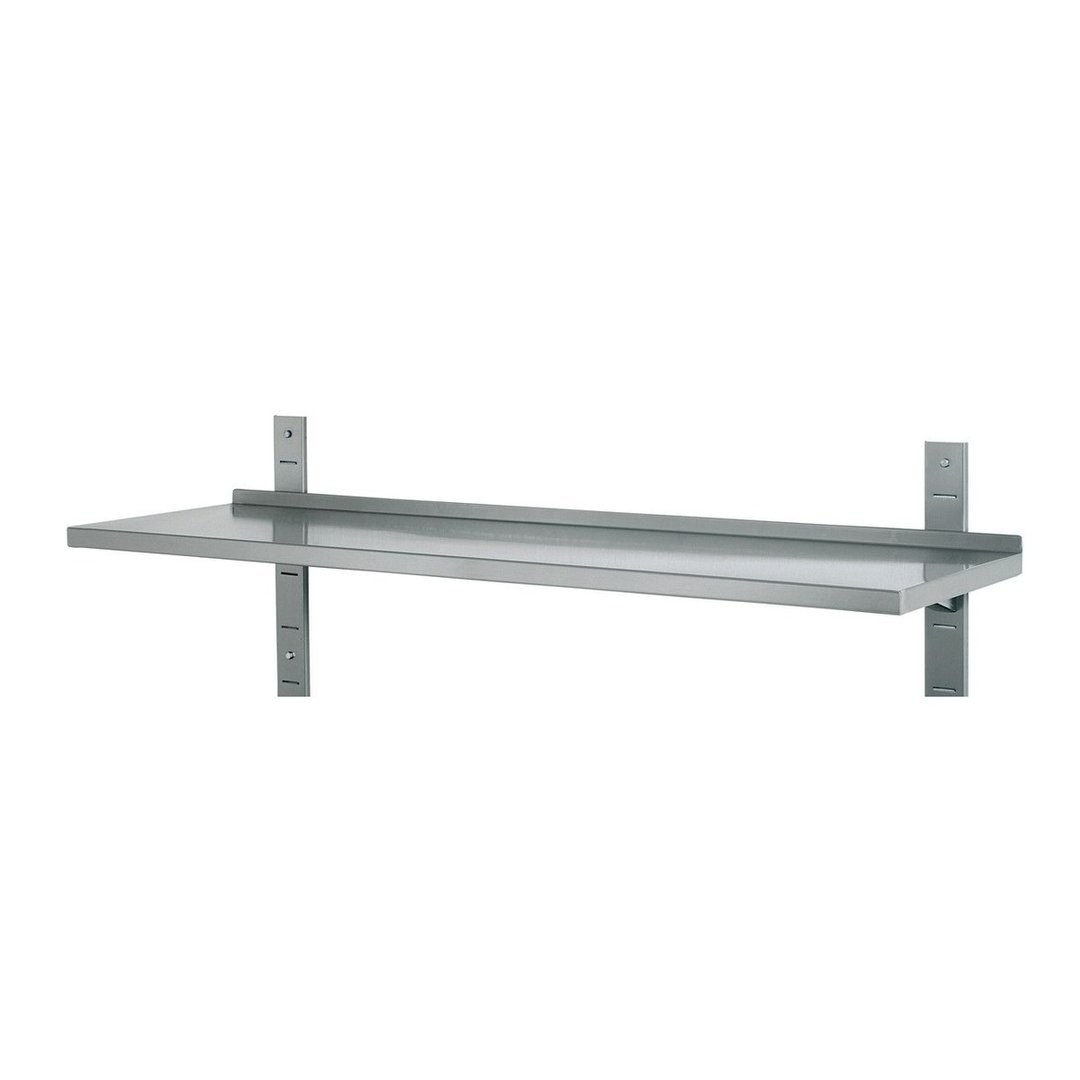
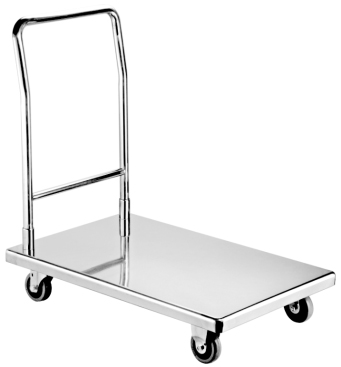
- Stainless steel receiving table — a dedicated surface that keeps deliveries off the floor and separate from stored goods
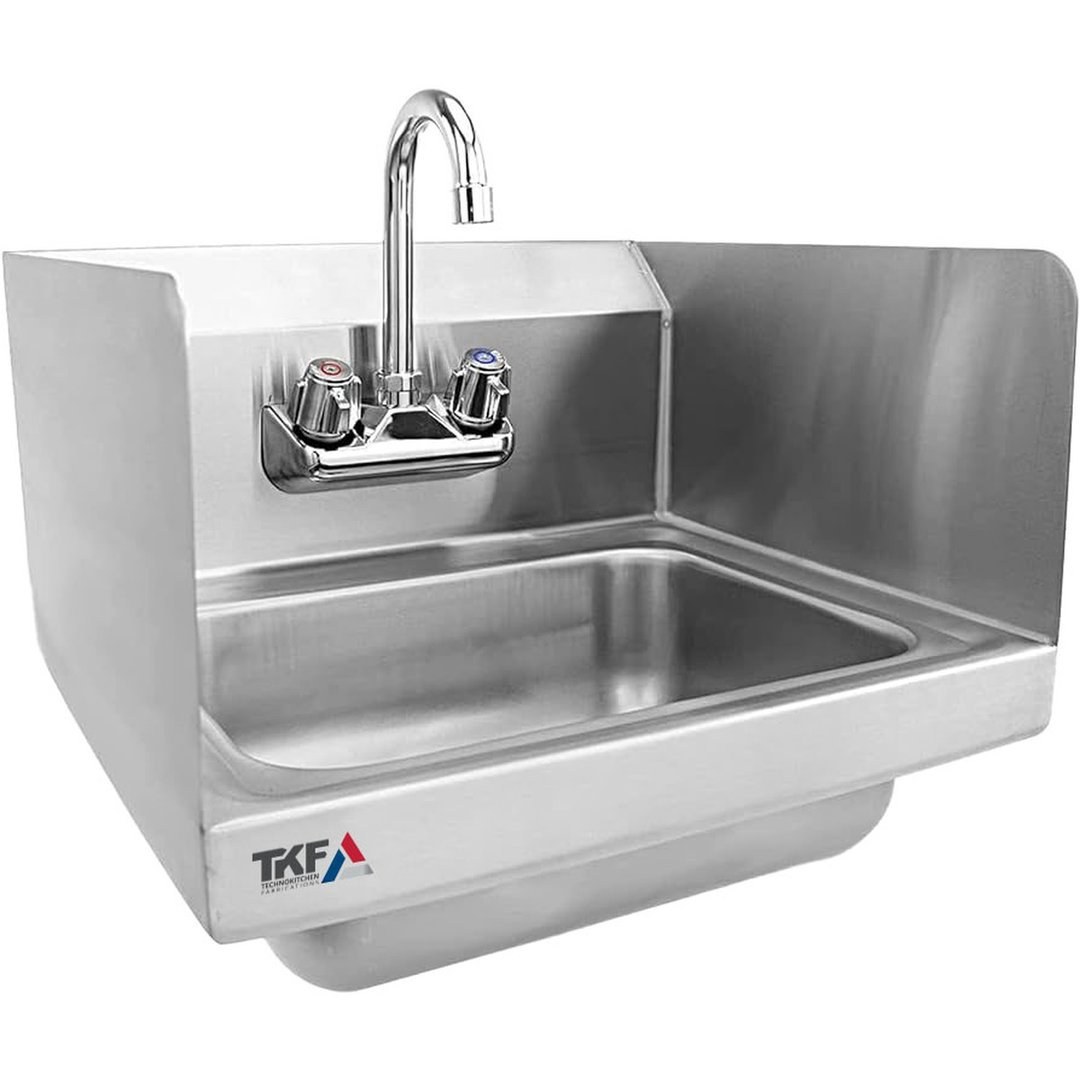
- Hand washing station — HACCP requires handwashing access at every zone entry point
The receiving area should be positioned as close to your delivery entrance as possible, with direct access to cold storage so chilled goods spend minimal time at ambient temperature. Browse IPEC's stainless steel furniture range for receiving tables, wall-mounted sinks, and shelving purpose-built for this zone.
Zone 2: Storage — Cold and Dry
Once goods are received and verified, they move immediately into storage. This zone has two distinct environments: refrigerated/frozen storage for perishables and dry storage for ambient goods. Keeping these physically separate — and at the correct conditions — is a non-negotiable HACCP requirement.
Cold Storage
For most commercial kitchens operating at scale in Lebanon, reach-in refrigerators alone won't cut it. You need walk-in cold rooms — modular refrigerated chambers that allow you to store large volumes of product at precise temperatures while enabling proper stock rotation (FIFO — First In, First Out).
Key considerations for cold storage in Lebanon's climate:
- Ambient compensation: Lebanese summers regularly exceed 35°C. Specify refrigeration units rated for high ambient temperatures — standard European units may struggle.
- Temperature monitoring: Continuous digital loggers with alarm functions are essential for HACCP documentation. Inspectors will ask for temperature records.
- Separate zones by food type: Raw meat, dairy, produce, and cooked items should be stored separately — either in separate units or on clearly designated, labelled shelving.
- Blast chillers: If you're doing any batch cooking or cook-chill operations, a blast chiller brings cooked food through the danger zone (between 60°C and 4°C) in under 90 minutes — a HACCP critical control point.
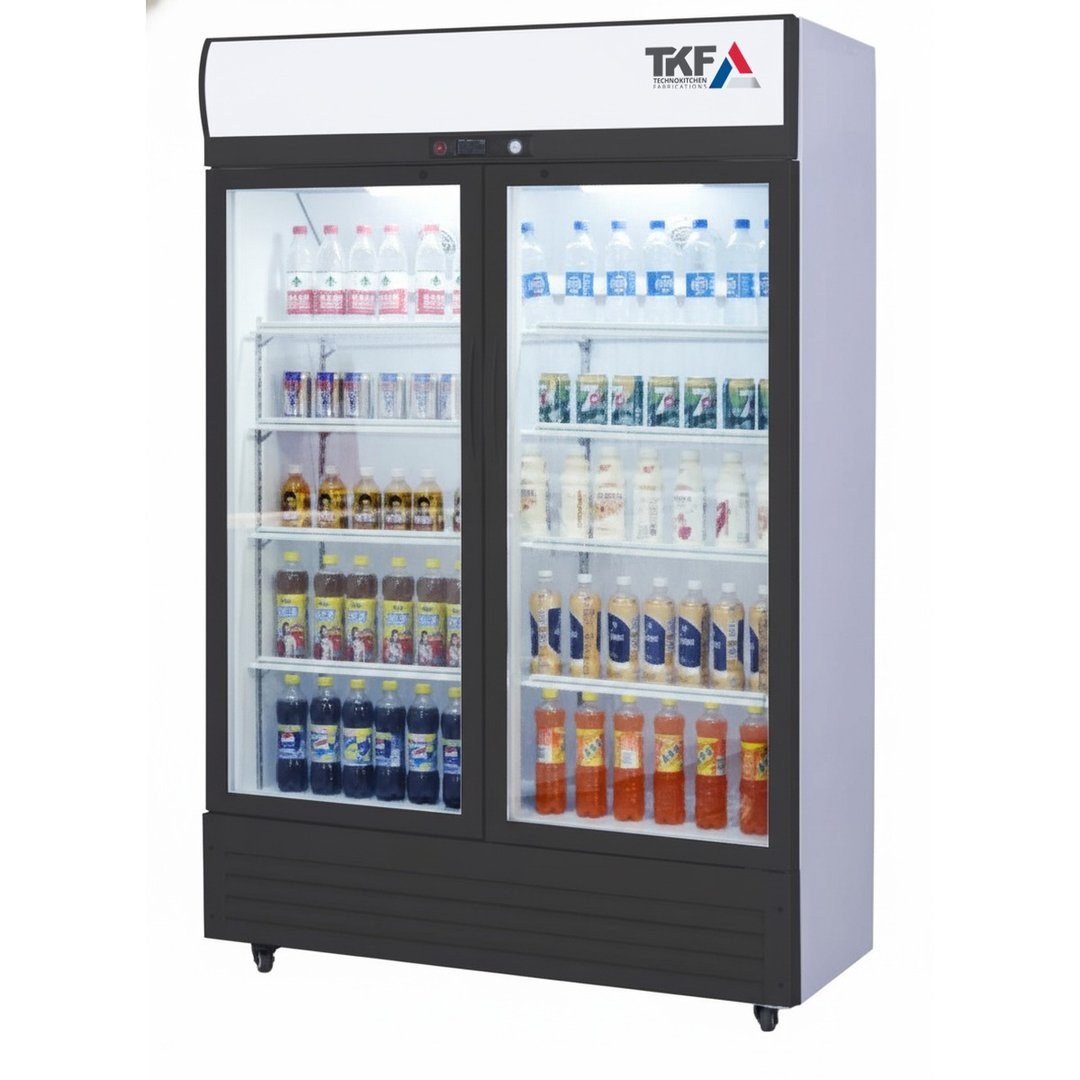
Explore IPEC's full refrigeration equipment range, including walk-in cold rooms, upright refrigerators, under-counter units, and blast chillers from trusted European brands.

Dry Storage
Ambient dry storage needs to be cool, dry, and ventilated — challenging in Lebanese coastal humidity. Invest in:
- Ventilated stainless steel or chrome wire shelving — allows airflow around products and resists corrosion
- Raised shelving — nothing should be stored directly on the floor (both HACCP and pest control requirement)
- Clear labelling and dating systems — supports FIFO rotation and allergen management
Zone 3: Food Preparation
This is where raw ingredients are transformed — washed, cut, portioned, mixed, and made ready for cooking. It's also the zone with the highest cross-contamination risk, which means the layout and equipment choices here carry significant food safety weight.
Separation Within Preparation
Ideally, your prep zone has physically separate workstations — or at minimum, strict procedural separation — for:
- Raw meat and poultry
- Raw fish and seafood
- Produce and vegetables
- Pastry and bakery prep
Colour-coded cutting boards (red for raw meat, yellow for poultry, green for produce, blue for fish) are a simple, HACCP-compliant way to enforce this separation even in compact kitchens.
Key Equipment for the Preparation Zone
- Stainless steel prep tables with under-shelf storage and optional drawers — the workhorses of any kitchen. Available in custom lengths from IPEC's furniture range.
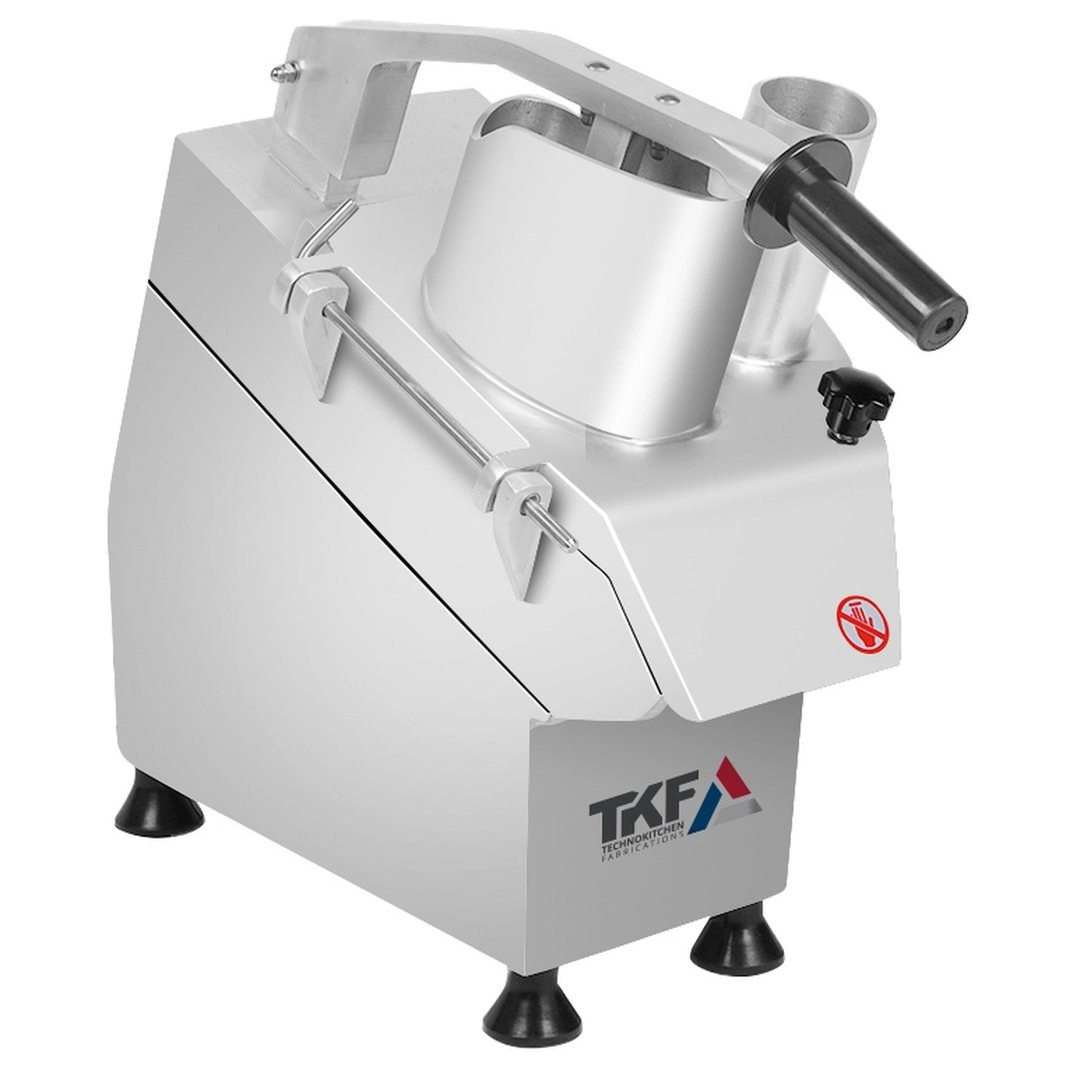
- Commercial food processors — for bulk slicing, dicing, and shredding
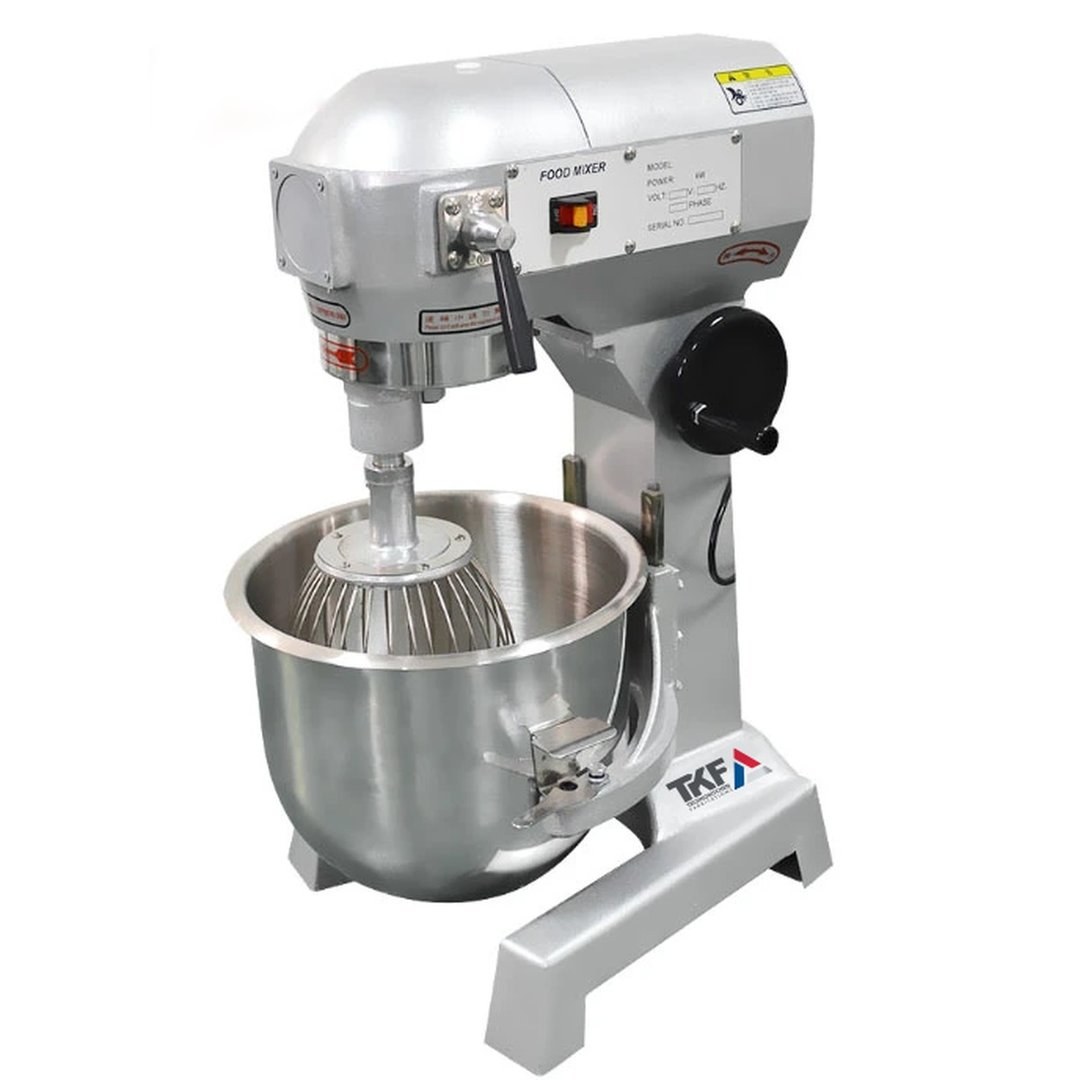
- Planetary mixers — essential for bakeries, pastry sections, and high-volume dough operations
- Vegetable washing sinks — double or triple bowl configurations with draining boards
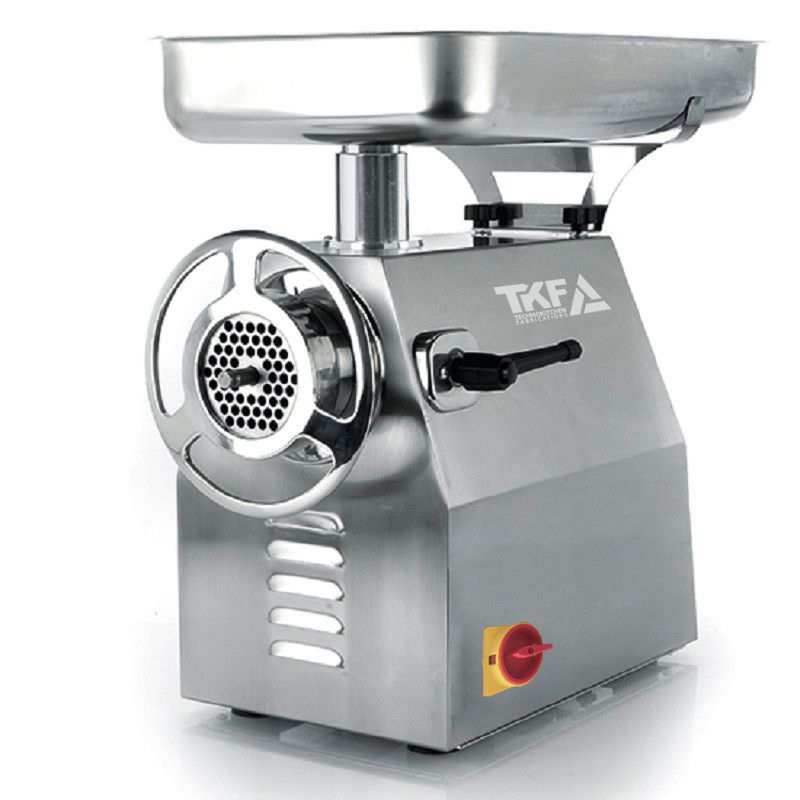
- Meat slicers and mincers — for butchery operations within the kitchen
- Vacuum packaging machines — for portion control, extended shelf life, and sous-vide preparation
Browse IPEC's food preparation equipment to configure your prep zone with the right tools for your menu and volume.
Zone 4: The Cooking Suite
The cooking zone is the heart of your kitchen — and the most capital-intensive area to equip. Getting it right means matching your equipment selection precisely to your menu, volume, and service style. Getting it wrong means bottlenecks, energy waste, and unhappy chefs.
Building Your Cooking Line
A typical commercial cooking suite for a Lebanese or MENA-market restaurant might include:
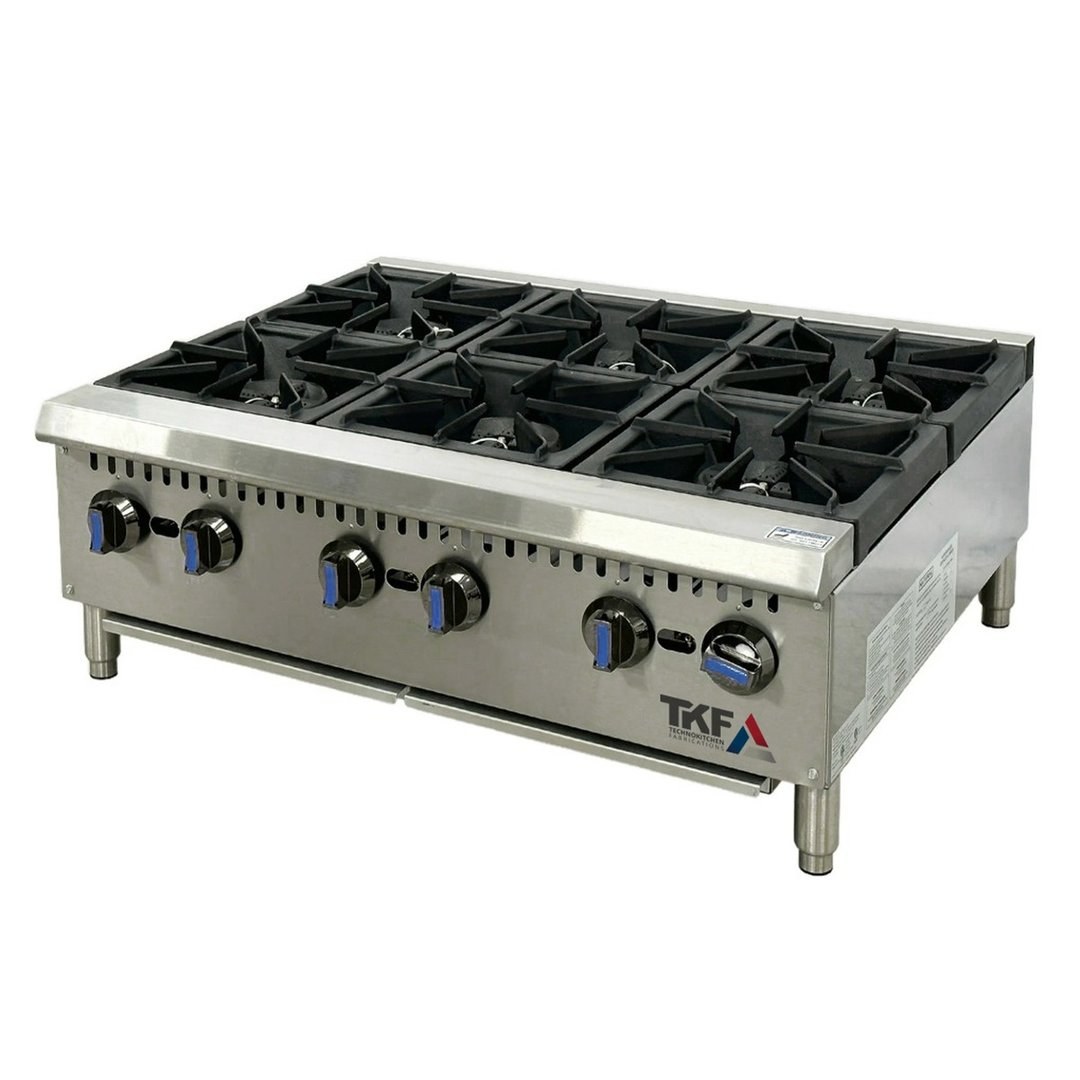
- Commercial gas ranges — 4, 6, or 8-burner configurations; heavy-duty cast iron grates; available in open or with oven base
- Combi ovens — the most versatile cooking appliance in a modern kitchen, combining convection heat and steam for everything from roasting to proofing to reheating
- Deck ovens — for Arabic bread, manoushe, and flatbread operations
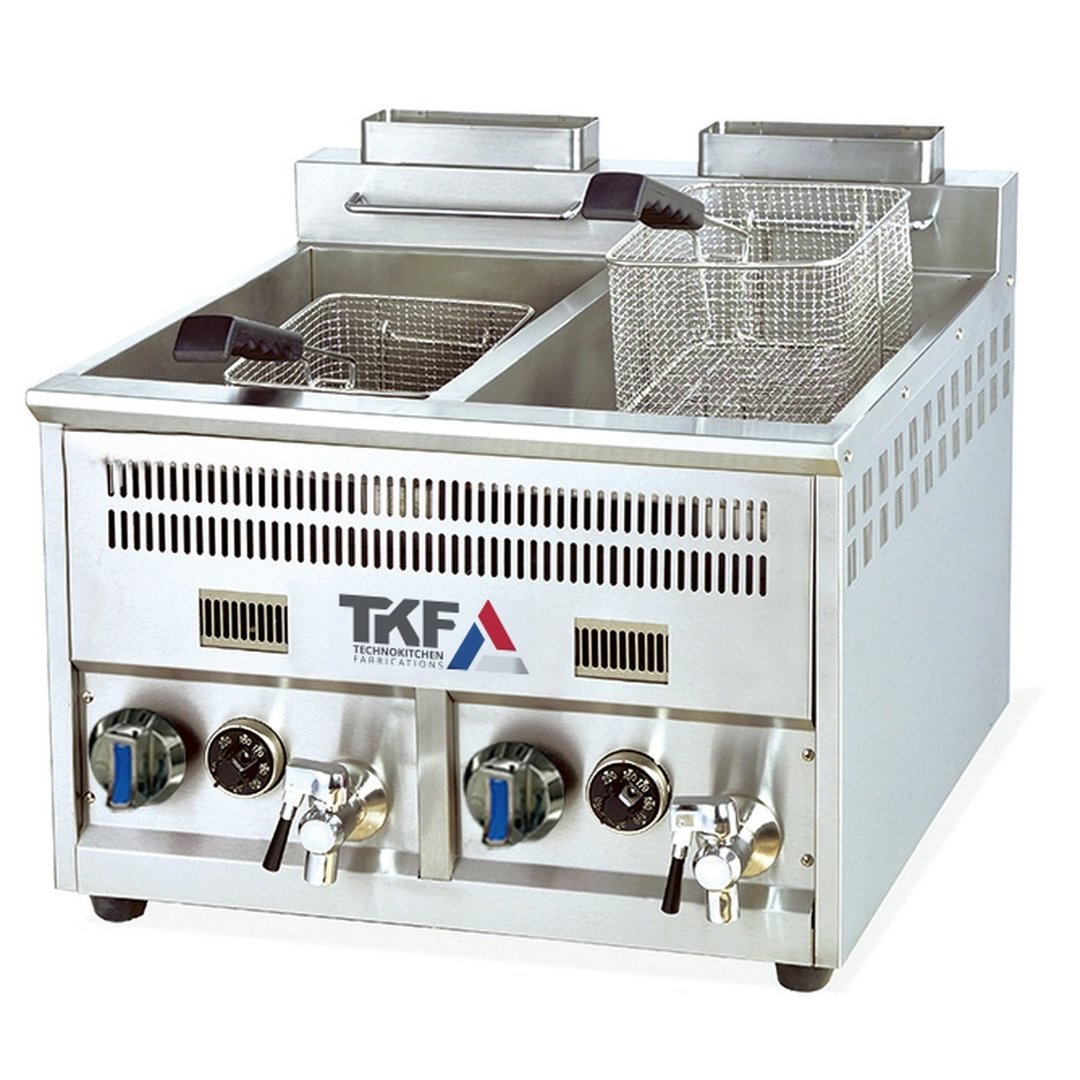
- Fryers — single or twin tank; tube-type for high-sediment foods; with automatic filtration for oil management
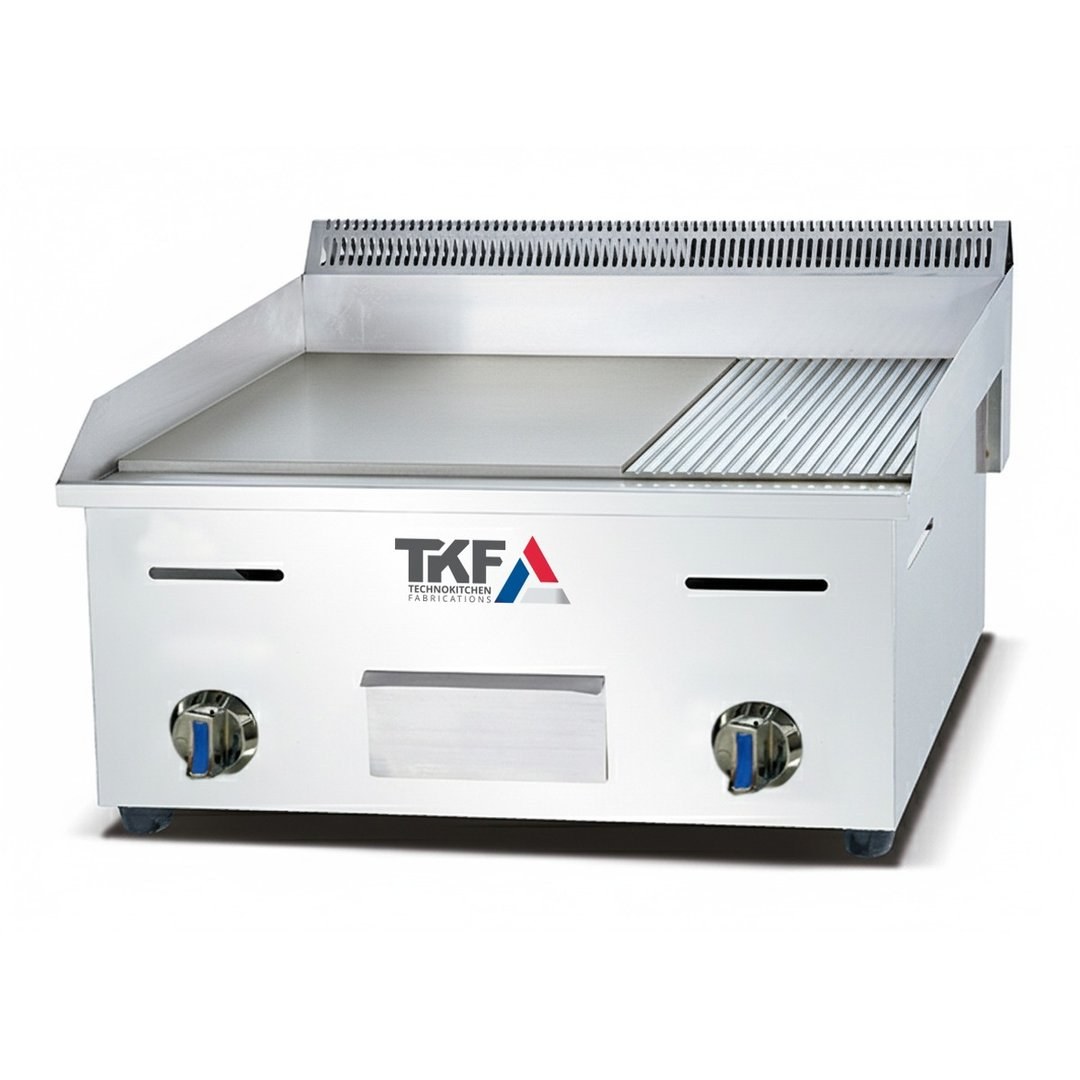
- Char grills and plancha grills — for mezze, grilled meats, and seafood
- Tilting bratt pans — for high-volume sauce, stew, and braising operations in institutional kitchens
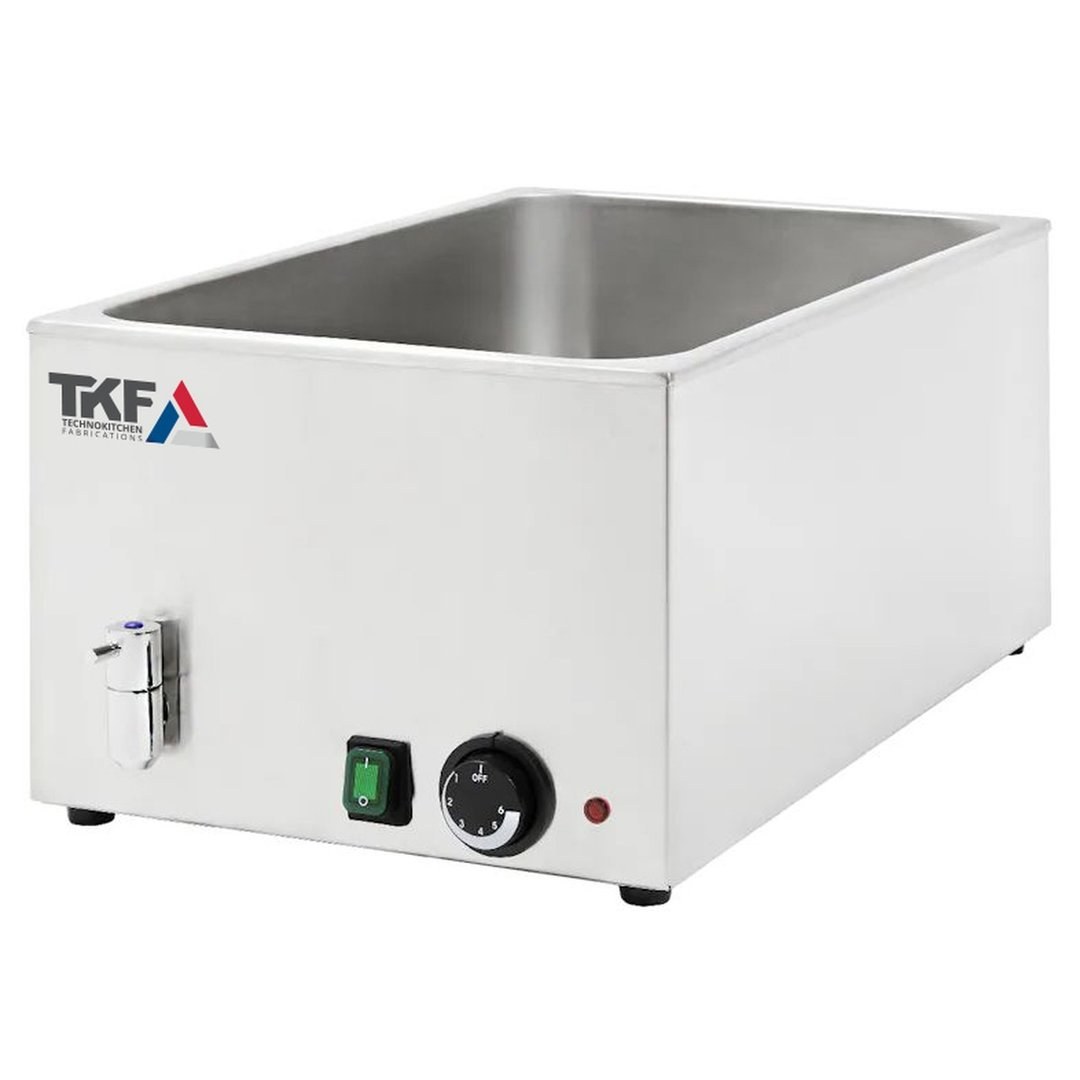
- Bain-maries and hot holding units — for buffet service and canteen operations
Ventilation: Non-Negotiable
No cooking zone is complete without a properly sized extraction hood and ventilation system. In Lebanon, where kitchen spaces are often compact and summers are brutal, inadequate ventilation is one of the most common — and most damaging — oversights we see. An undersized hood doesn't just make the kitchen uncomfortable; it creates a fire risk, accelerates equipment wear, and will flag during a Ministry of Health inspection.
IPEC supplies and installs extraction hoods, make-up air systems, and grease filters sized to your cooking line. This is factored into every free kitchen design consultation we offer.
Explore the full range at IPEC's cooking equipment section — from entry-level commercial ranges to full professional cooking suites from CE-marked European manufacturers.
Zone 5: The Service and Pass Zone
The final zone is where your kitchen's output meets your front-of-house operation. It's often the most pressure-intensive point in the kitchen — where timing, temperature, and presentation all converge simultaneously during a busy service.
Keeping Food Hot, Safe, and Beautiful
Food that leaves the kitchen must be at the correct serving temperature — above 63°C for hot food is the standard HACCP requirement. Every minute between the pass and the table erodes that temperature. Your service zone equipment needs to bridge that gap.
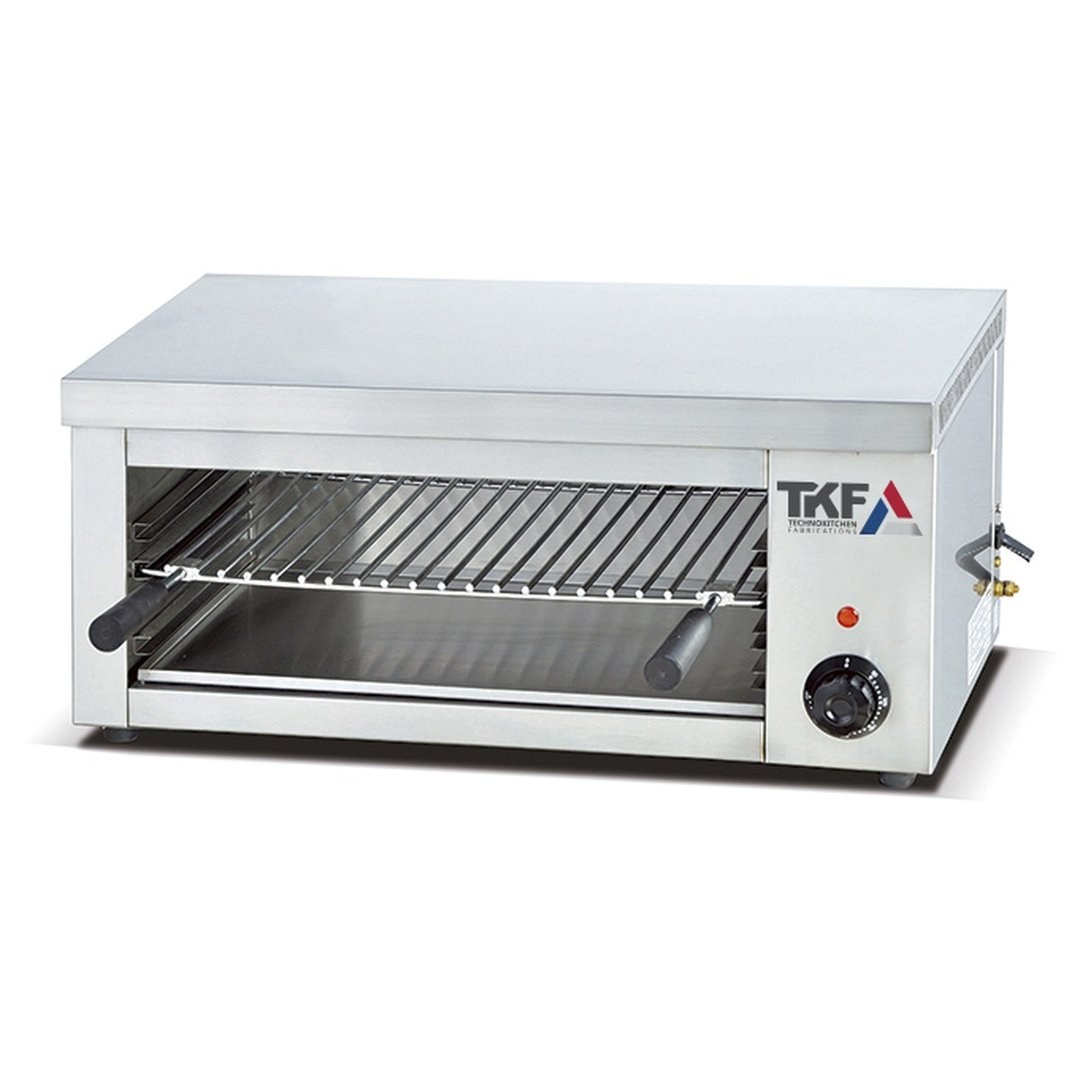
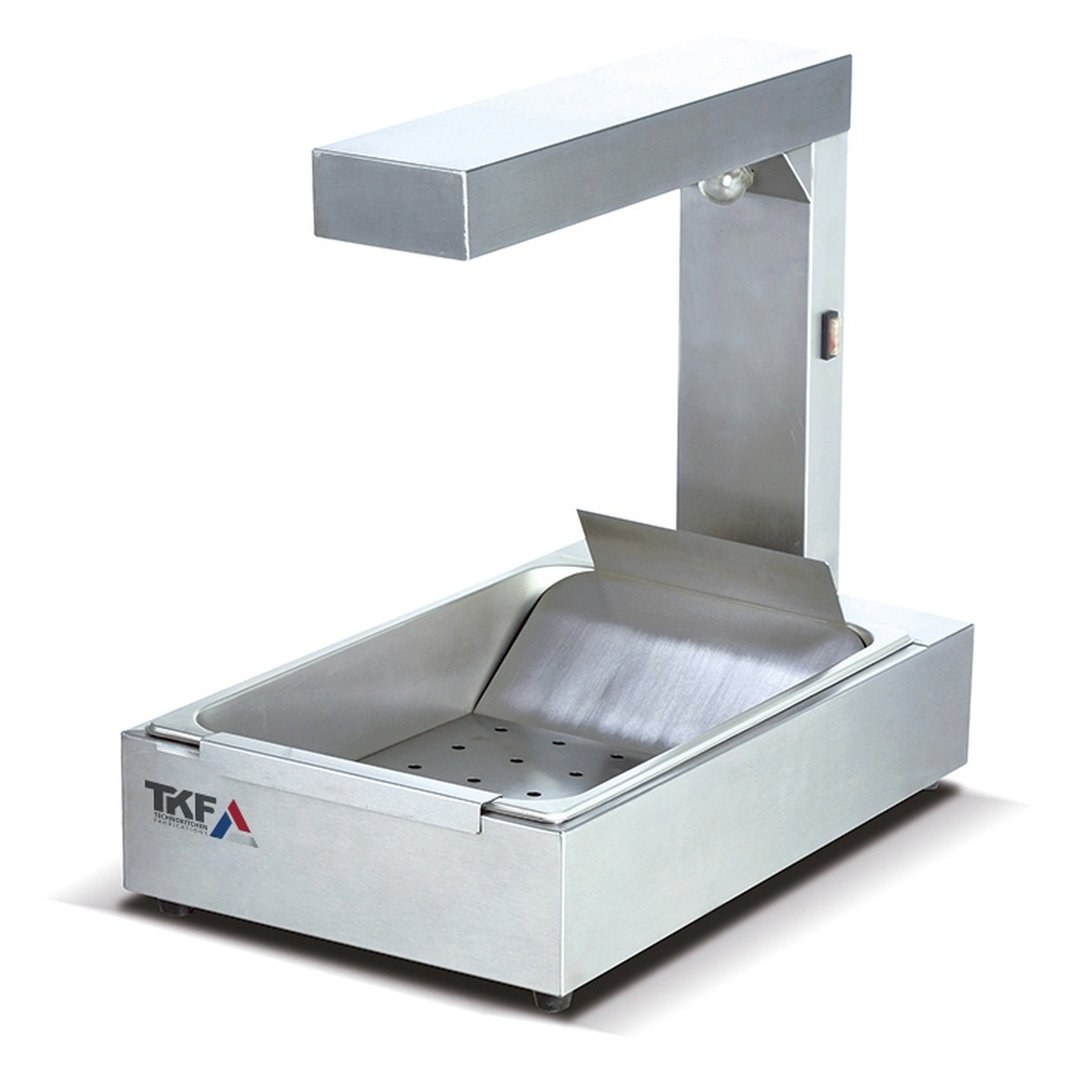
- Pass-through warmers and heated holding cabinets — maintain food at safe serving temperature while tickets are processed
- Heat lamps and infrared gantries — keep plated dishes warm at the pass without continuing to cook them
- Stainless steel plating stations — dedicated surfaces with warming capability for garde manger and final plating
- Bain-marie service counters — for buffet and self-service formats common in Lebanese hotels and catering
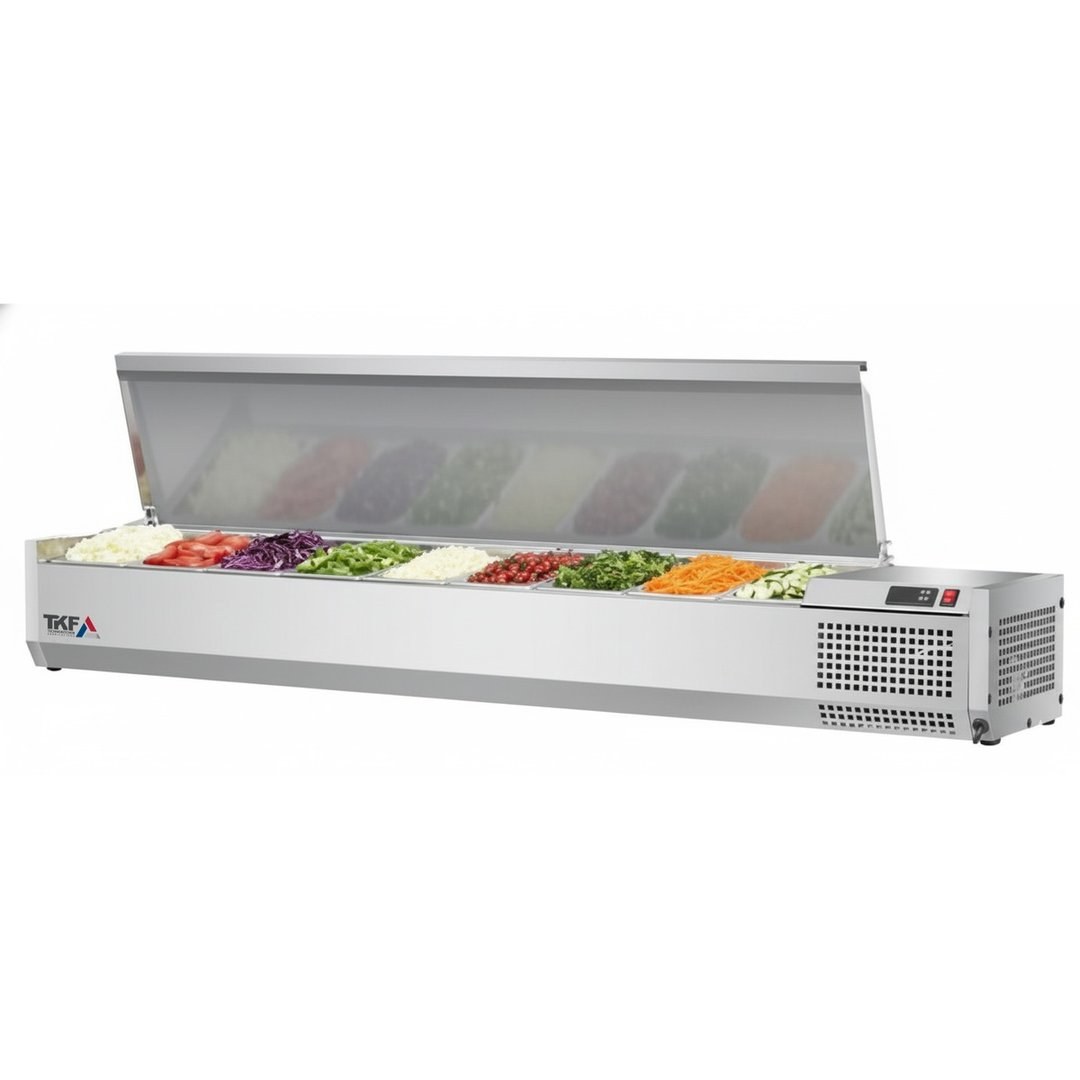
- Refrigerated display units — for cold starters, desserts, and mezze presentations at the service point
The Pass as a Quality Control Point
In well-run kitchens, the pass (or expediting station) functions as the final quality check before food reaches the guest. A dedicated head chef or expediter position here, with a probe thermometer to hand, is the last line of HACCP compliance before service — and the difference between a consistent dining experience and an inconsistent one.
Putting It All Together: Layout Principles for Lebanese Kitchens
Once you understand the five zones, the layout challenge becomes connecting them efficiently within your available footprint. A few principles that consistently make the difference in the kitchens IPEC has designed across Lebanon:
- Flow in one direction — receiving → storage → prep → cooking → service. Food should never travel backwards through the kitchen.
- Separate raw and ready-to-eat pathways — staff carrying raw proteins should not cross paths with those carrying plated food.
- Position cold storage between receiving and prep — minimise the distance chilled goods travel before reaching the refrigerator.
- Size your cooking zone to your peak cover count — not your average. Kitchens fail at the margins, not in the middle.
- Plan utilities before you plan equipment — gas, water, drainage, and three-phase electrical points are expensive to move once installed. Equipment is not.
Start with a Free Kitchen Design Consultation from IPEC
A well-zoned, properly equipped commercial kitchen is one of the most impactful investments you'll make in your food business. It affects your food safety compliance, your staff's productivity, your energy costs, and ultimately the consistency of every dish you serve.
With 45 years of experience equipping commercial kitchens across Lebanon and the wider MENA region — from independent restaurants and hotel chains to hospital facilities and cloud kitchen operators — IPEC brings both the expertise and the equipment range to get your kitchen right from the ground up.
Ready to design your kitchen? Our team offers free kitchen layout consultations — bring your floor plan, your menu concept, and your cover targets, and we'll help you map out a HACCP-compliant, operationally efficient kitchen zone by zone. Or browse our full equipment range at ipec.me/shop to start specifying your setup today.
Contact IPEC Lebanon to book your free kitchen design consultation →