Opening a bakery in Lebanon — or upgrading an existing one — starts with one critical decision: choosing the right bakery equipment. Whether you are launching a neighbourhood furn, a boutique pastry shop in Beirut, or a high-volume production bakery supplying hotels across the region, the equipment you invest in determines your product quality, output consistency, and long-term profitability.
After 45 years of equipping bakeries from Jounieh to Jeddah, we have seen what works and what gets replaced within a year. This guide walks you through every essential category of bakery equipment in Lebanon — from heavy-duty mixers and ovens down to the trays and mats that touch your dough — with practical sizing advice tailored to the Lebanese and MENA market.
Dough Mixers: The Heart of Every Bakery
No piece of bakery equipment matters more than the mixer. It runs for hours every day, handles your most critical process — dough development — and directly affects the texture and consistency of every product you sell.
Spiral Mixers for Bread and Manakish Production
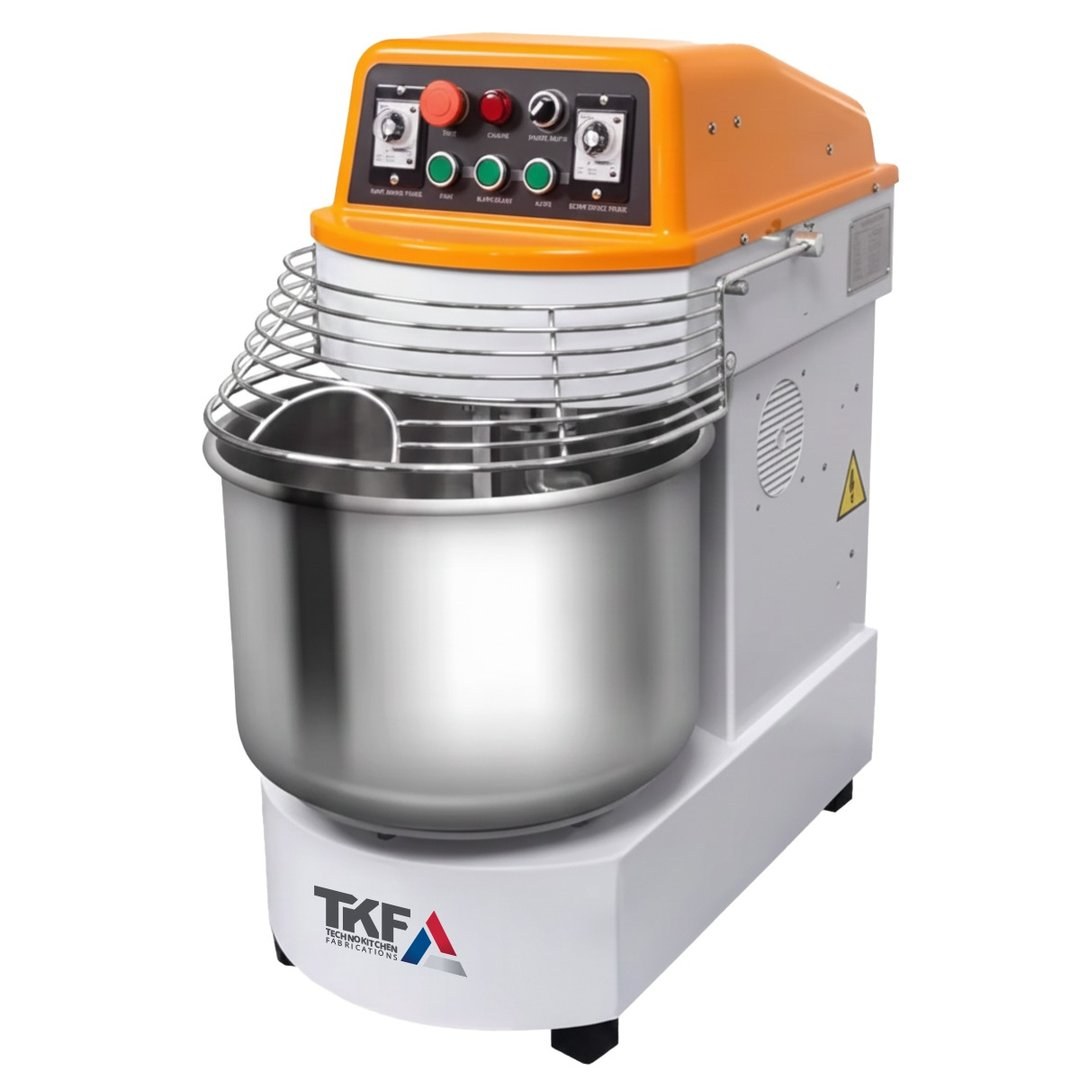
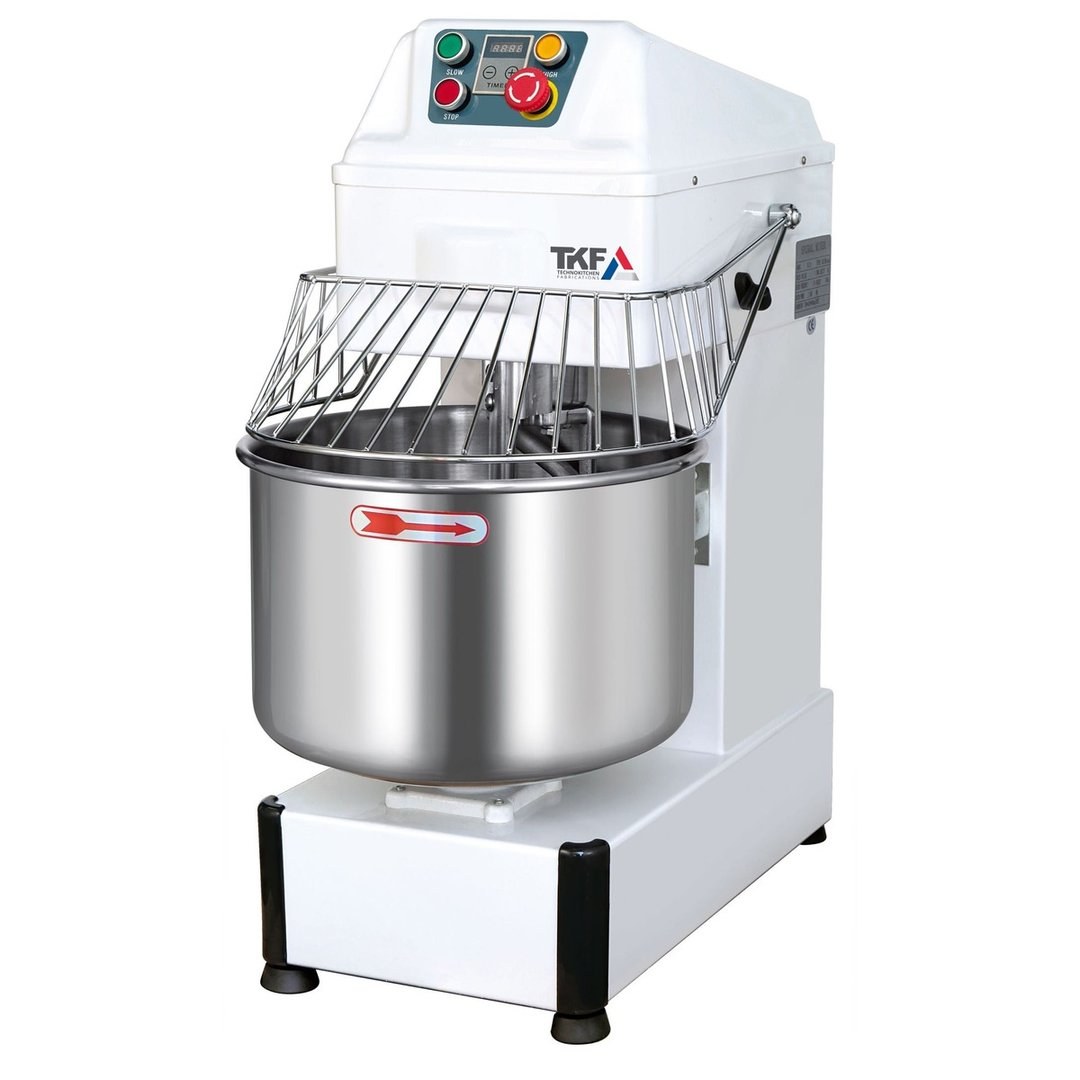
Spiral mixers are built for one thing: kneading dough at high volumes. The fixed spiral hook develops gluten efficiently without overheating the dough, which is critical for Lebanese bread, manakish, and pizza bases.
- Small bakeries (up to 100 pieces/day): A 25 kg spiral mixer handles daily production comfortably
- Medium bakeries (200–500 pieces/day): Move to a 40 kg capacity mixer
- High-volume production and manakish lines: A 50 kg spiral mixer is the industry standard
The key specifications to evaluate: bowl capacity in kilograms of flour (not total dough weight), motor power in kW, and whether the head tilts for easy bowl removal. Two-speed models give you more control over mixing and kneading phases.
Planetary Mixers for Pastry and Viennoiserie
If your bakery produces croissants, cakes, cream fillings, or meringue, you need a planetary mixer alongside your spiral. The planetary action — where the beater orbits around the bowl — delivers the versatility that pastry work demands. Swap between a whisk for whipping cream, a paddle for cake batter, and a dough hook for small batches.
For most Lebanese pastry shops, a 20–30 litre planetary mixer covers daily needs. Smaller 7–10 litre countertop models work well for cafés adding fresh pastry to their menu.
Browse our full range of commercial mixers and food preparation equipment to find the right capacity for your operation.
Deck Ovens and Convection Ovens: Choosing the Right Baking Method
Ovens are the second most important investment in any bakery. The type you choose depends on what you are baking and at what volume.
Gas Deck Ovens for Artisan Bread
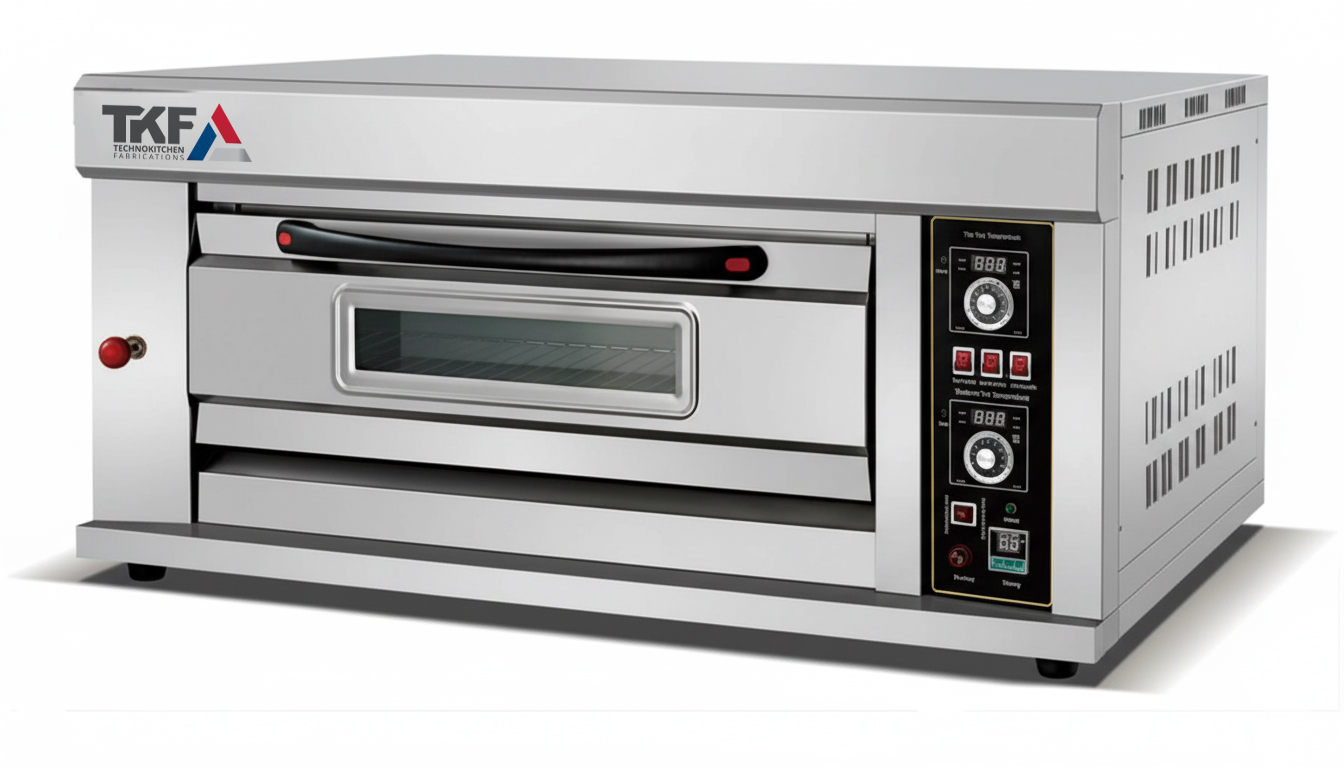
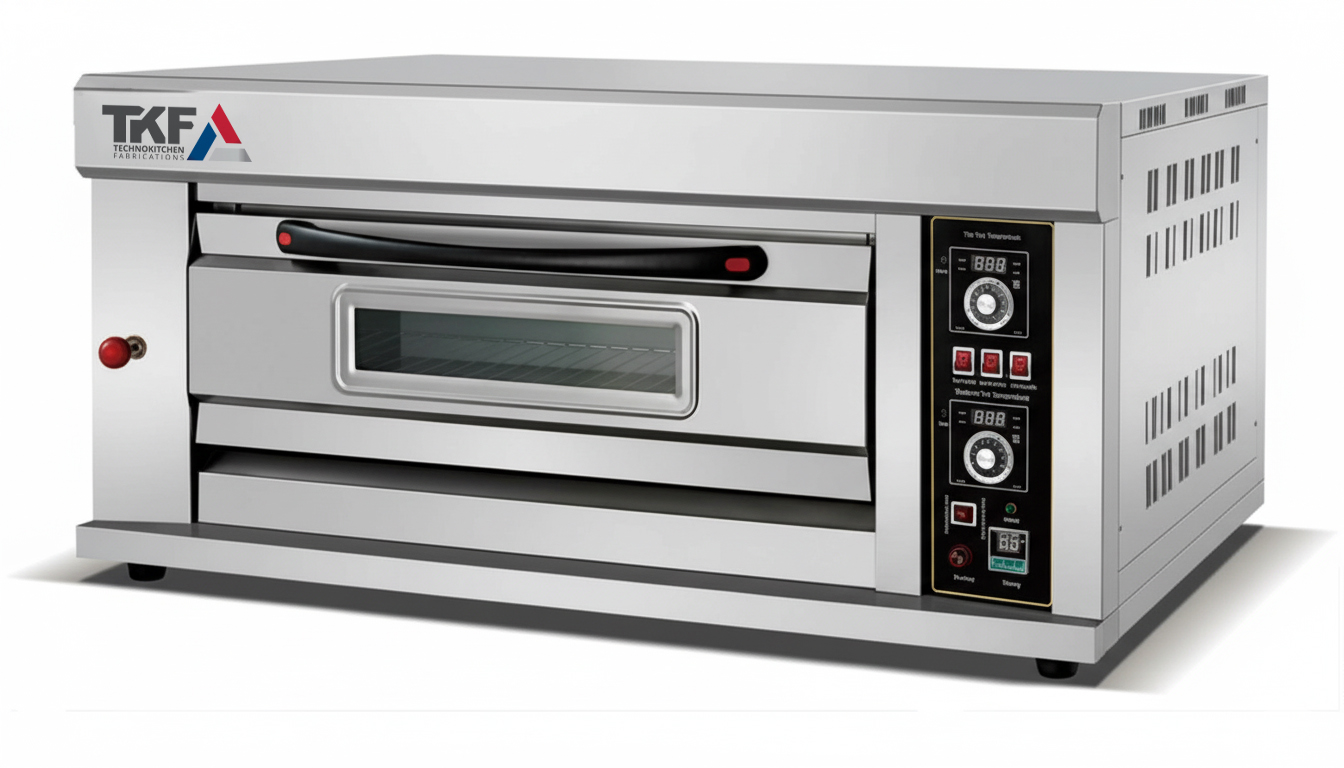
Deck ovens use radiant heat from stone or steel decks to produce bread with a crispy crust and open crumb structure — exactly what traditional Lebanese bread demands. Unlike convection ovens that circulate hot air, deck ovens create the intense bottom heat that gives khobz arabi its signature puff and char.
- 1–2 tray deck ovens: Ideal for small bakeries, pizza shops, and cafés
- 3-tray deck ovens: The sweet spot for medium bakeries producing 300–500 pieces daily
- Multi-deck configurations: High-volume bakeries often stack 2–3 deck ovens to multiply output while maintaining the artisan quality that rack ovens cannot match
Convection Ovens for Pastry and High-Volume Baking
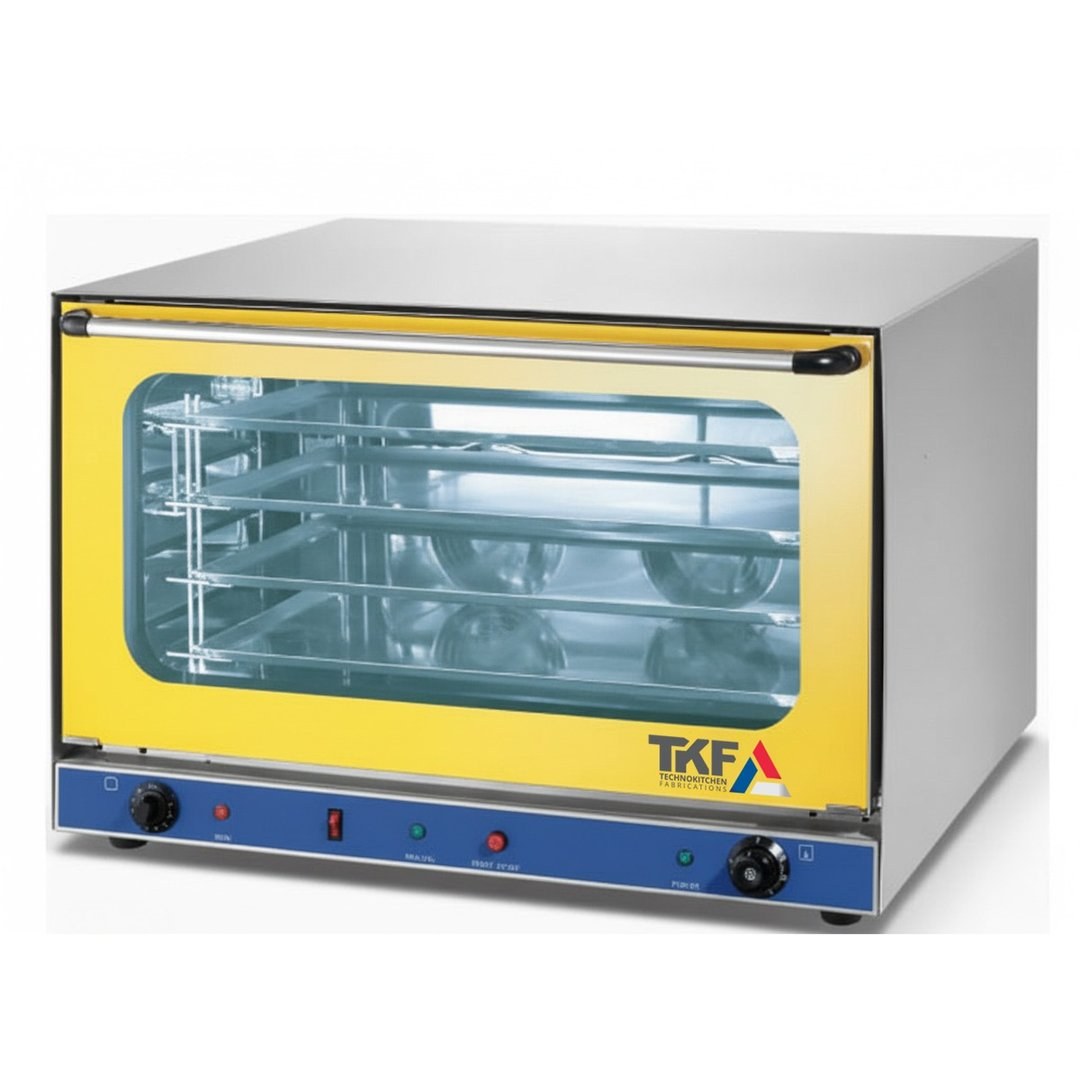
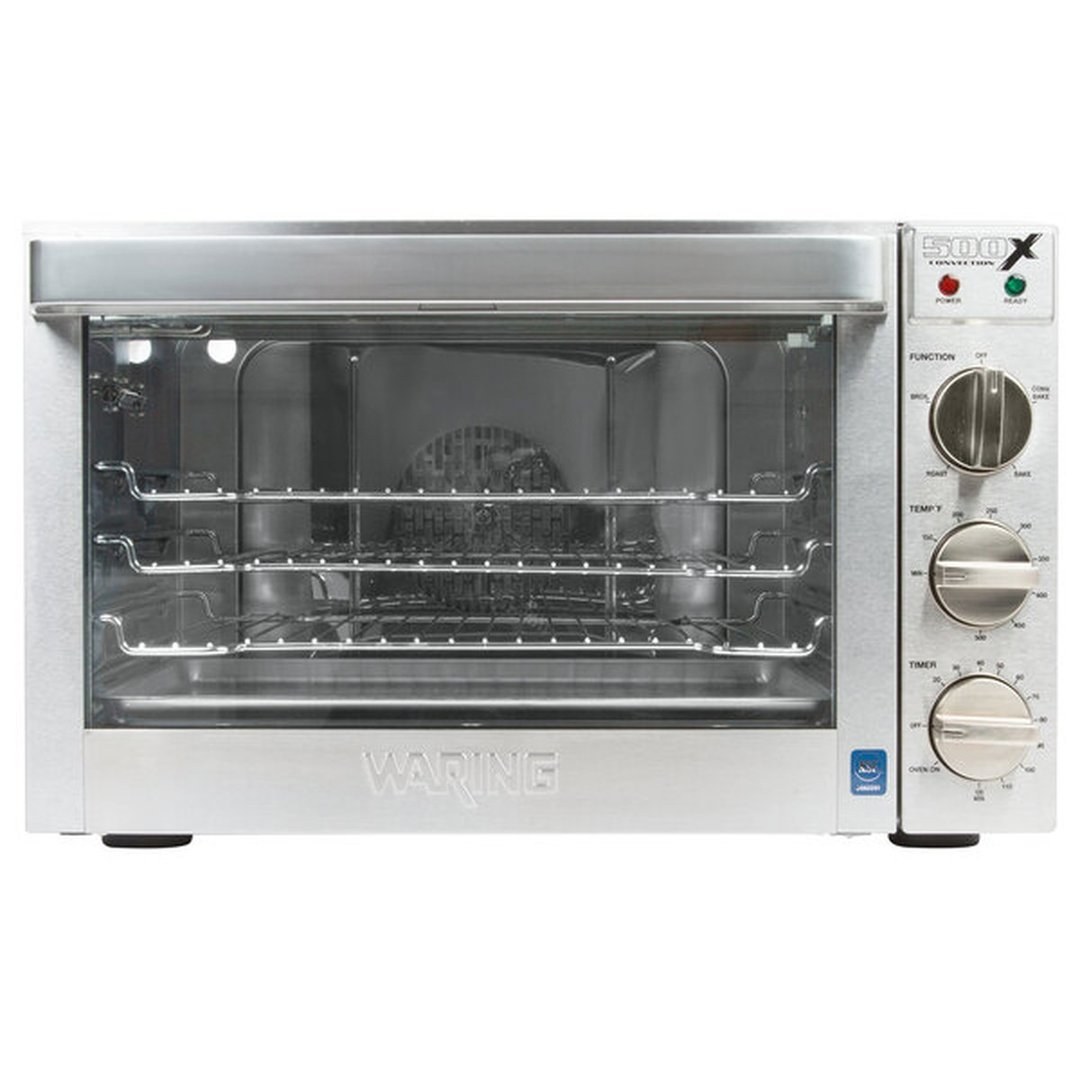
For bakeries that also produce pastries, croissants, and viennoiserie, a convection oven is essential alongside your deck oven. Convection ovens use a fan to circulate hot air, cooking 25–30% faster and more evenly — ideal for puff pastry, croissants, and batch baking.
The 4-tray convection oven with steam injection (60x40 cm) is the most popular choice for Lebanese bakeries. The steam function is critical for bread baking — it keeps the crust thin and glossy during the first minutes of baking, and the 60x40 cm tray format means your trays and sheeters all use the same standard. For smaller operations or cafés, the countertop convection oven fits tight spaces without sacrificing baking quality.
Explore all our commercial ovens and cooking equipment.
Proofers, Retarder-Provers, and Cold Storage
Lebanon's climate swings from hot and humid summers to cool, dry winters. If you are proofing dough at ambient temperature, your results will vary wildly from season to season — and even from morning to afternoon. A proofer eliminates this variable entirely.
Why Every Serious Bakery Needs a Proofer
A proofing cabinet maintains precise temperature (typically 27–35°C) and humidity (75–85%) so your dough rises consistently regardless of weather conditions. For Lebanese bakeries, this is not a luxury — it is a production requirement. The difference between perfectly proofed manakish dough and over-proofed or under-proofed dough is the difference between a product customers come back for and one they do not.
Retarder-Provers for Overnight Production
A retarder-prover chills dough overnight (typically 2–4°C) for slow fermentation, then automatically switches to proofing mode in the early morning. This means you can prepare all your dough at 6 PM, and it will be perfectly proofed and ready to bake when your baker arrives at 5 AM. The benefits:
- Better flavour development from slow, cold fermentation
- Reduced early-morning labour — no one needs to arrive at 3 AM to start mixing
- Consistent results even during Ramadan production surges when demand triples
- Ability to stagger production across the day
Upright Refrigerators for 60x40 Tray Storage
Beyond proofing, every bakery needs cold storage that fits the standard 60x40 cm bakery tray format. The dual-temperature upright refrigerator-freezer is designed specifically for this — its interior shelves accept standard 60x40 cm trays, so you can slide trays of prepared dough, cream-filled pastries, or chilled toppings directly from your work bench into cold storage without transferring to different containers. The dual-temp feature lets you run the unit as a fridge or as a freezer, saving floor space in tight bakery layouts and offering multi functionality.
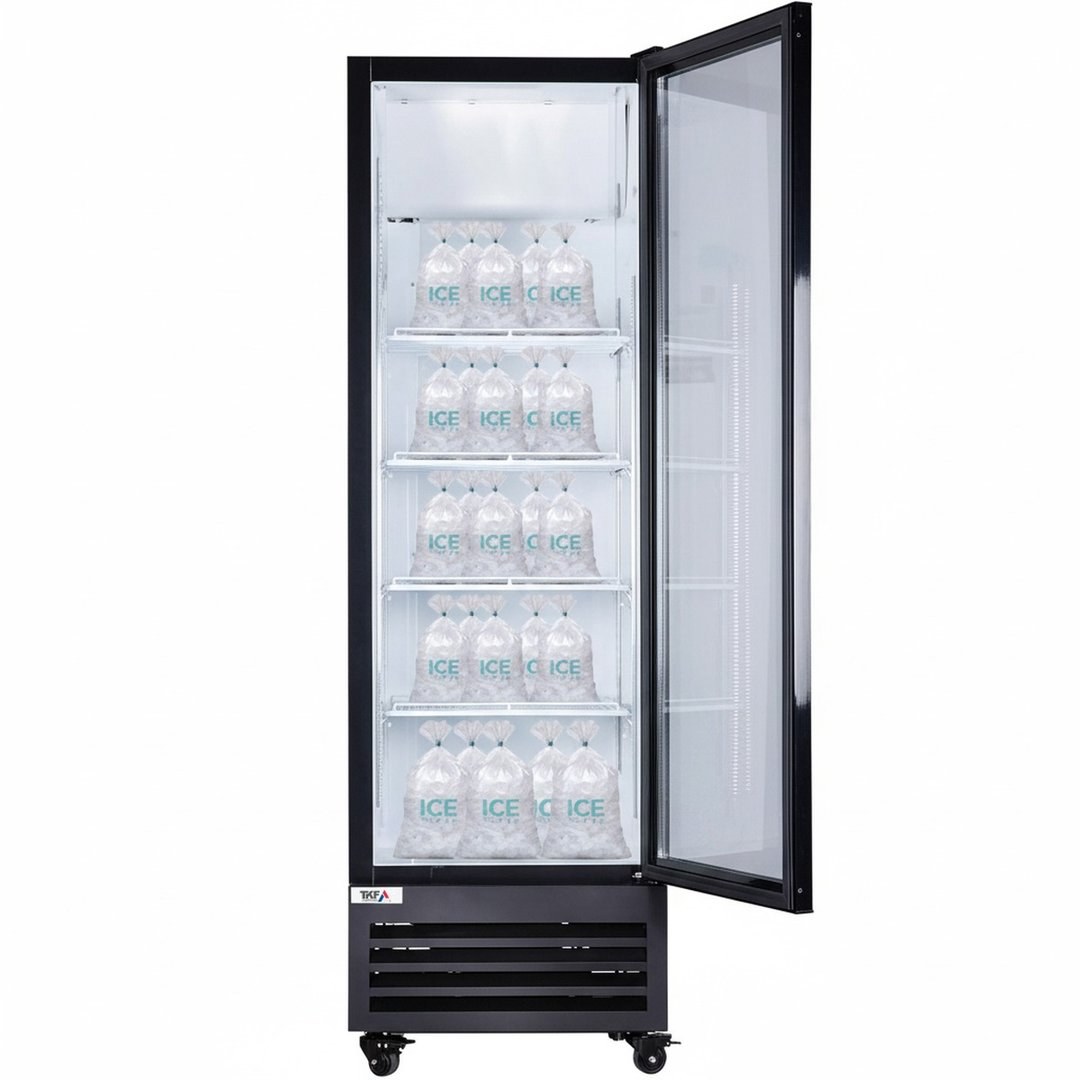
Find proofers and refrigeration in our cooking equipment and refrigeration equipment categories.
Dough Sheeters: Speed and Precision for Pastry Production
If your bakery produces croissants, puff pastry, fatayer, or pizza bases, a dough sheeter saves hours of manual rolling and delivers perfectly uniform thickness every time. This consistency directly affects baking results — uneven dough bakes unevenly.
Types of Dough Sheeters
- Countertop sheeters: Compact models with 30–40 cm rollers, perfect for cafés and small pastry operations
- Vertical (floor-standing) sheeters: The standard for dedicated pastry shops
- Traditional sheeters (150 cm): For high-volume production bakeries making hundreds of kilograms of layered dough daily
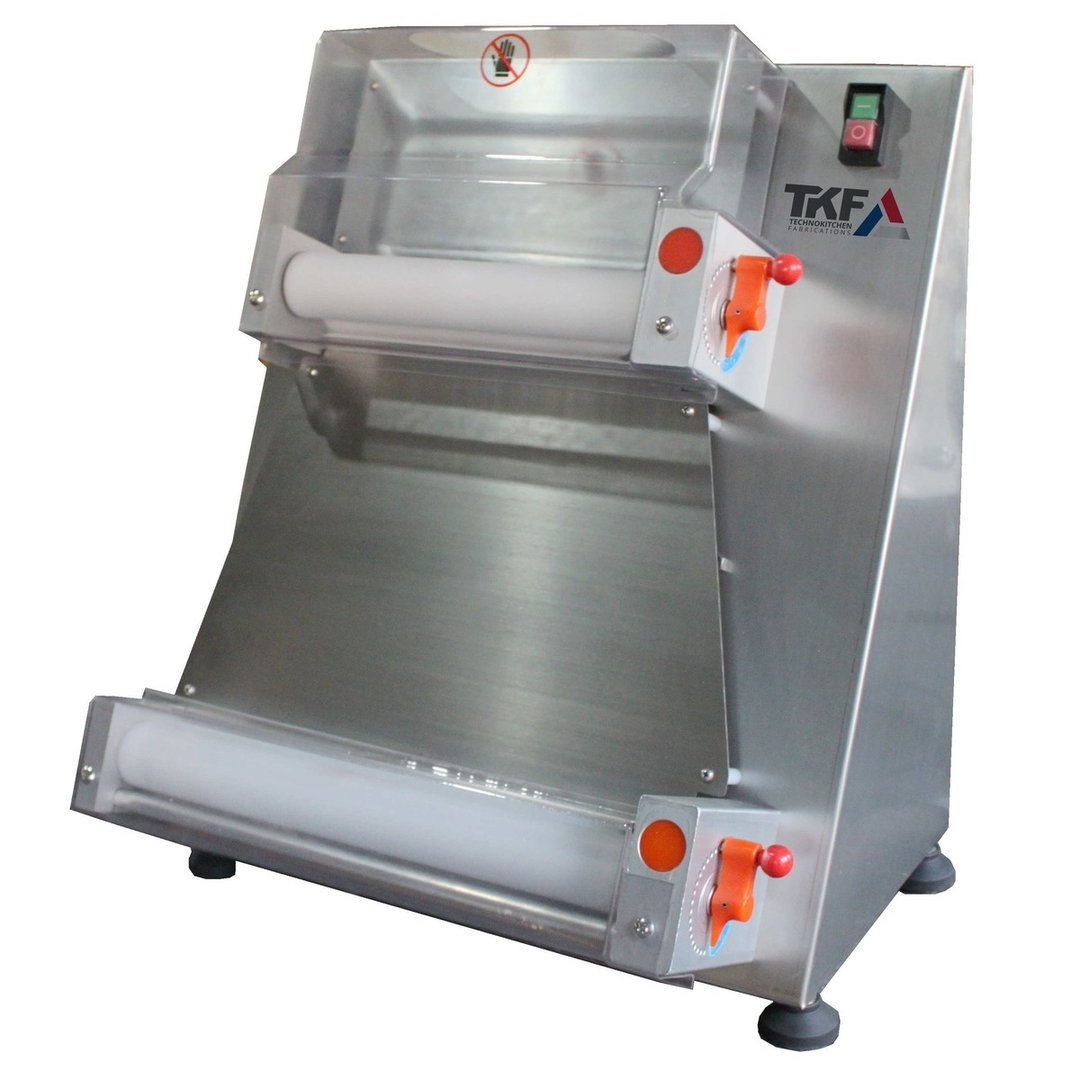

The key specification is belt width — wider belts handle larger dough sheets, reducing the number of passes needed for production runs. Motor power matters too: underpowered sheeters struggle with cold butter-laminated dough.
See all our dough sheeters and food preparation equipment.
Bread Slicers: The Finishing Touch
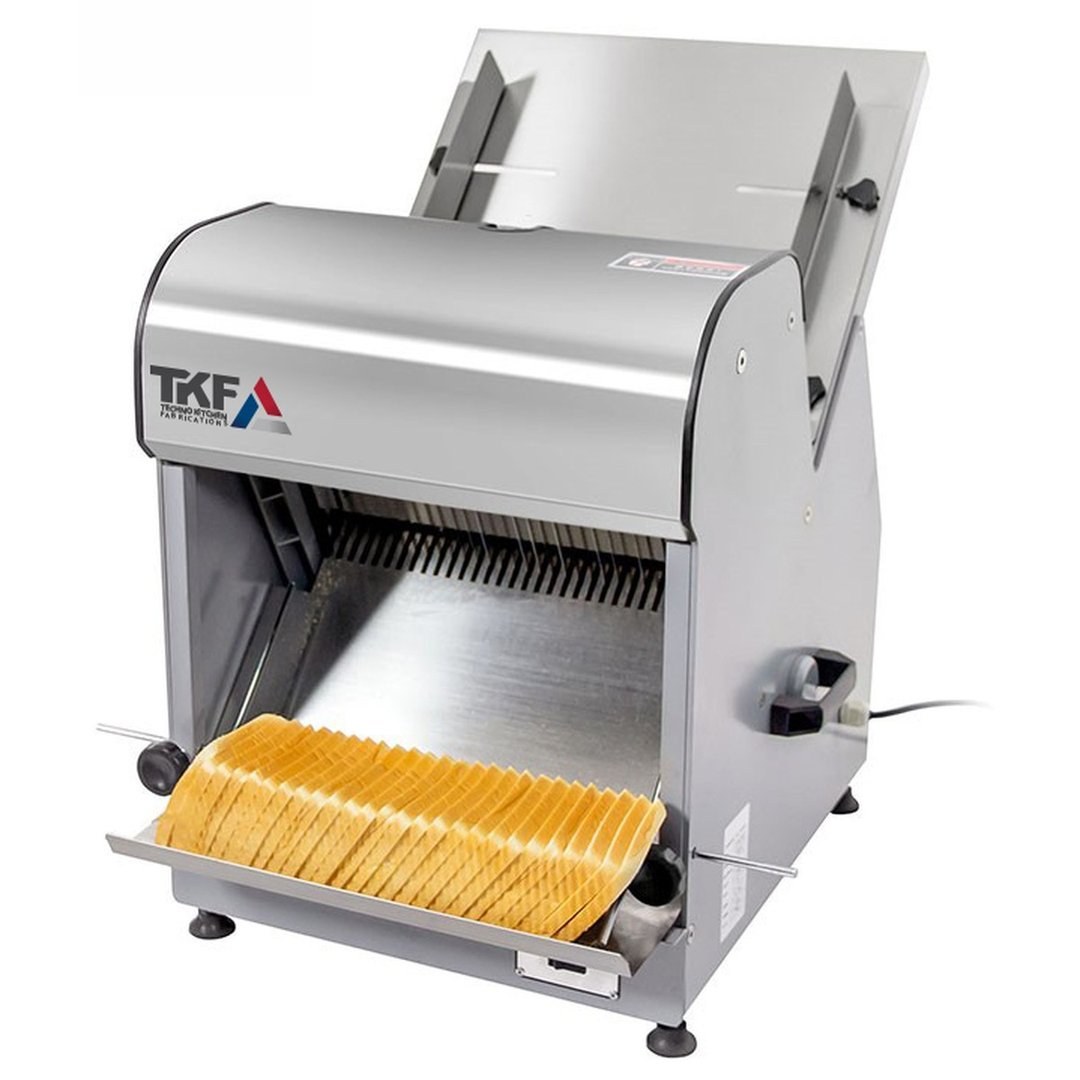
A commercial bread slicer is not essential for every bakery, but for operations selling sliced sandwich loaves, toast bread, or pre-sliced products for hotels and restaurants, it dramatically speeds up service and ensures uniform slices.
The 31-blade counter bread slicer with 12 mm standard slice thickness handles most commercial needs. It is compact enough for counter placement and processes a full loaf in seconds. For bakeries supplying hotels, hospitals, and catering companies, a bread slicer pays for itself within months through labour savings alone.
Essential Bakery Smallwares and Accessories
The big machines get all the attention, but your daily baking quality depends just as much on having the right trays, mats, and accessories. These are the items your bakers touch every batch — and the wrong ones slow production, cause sticking, and produce uneven results.
Baking Trays (60x40 cm Standard)
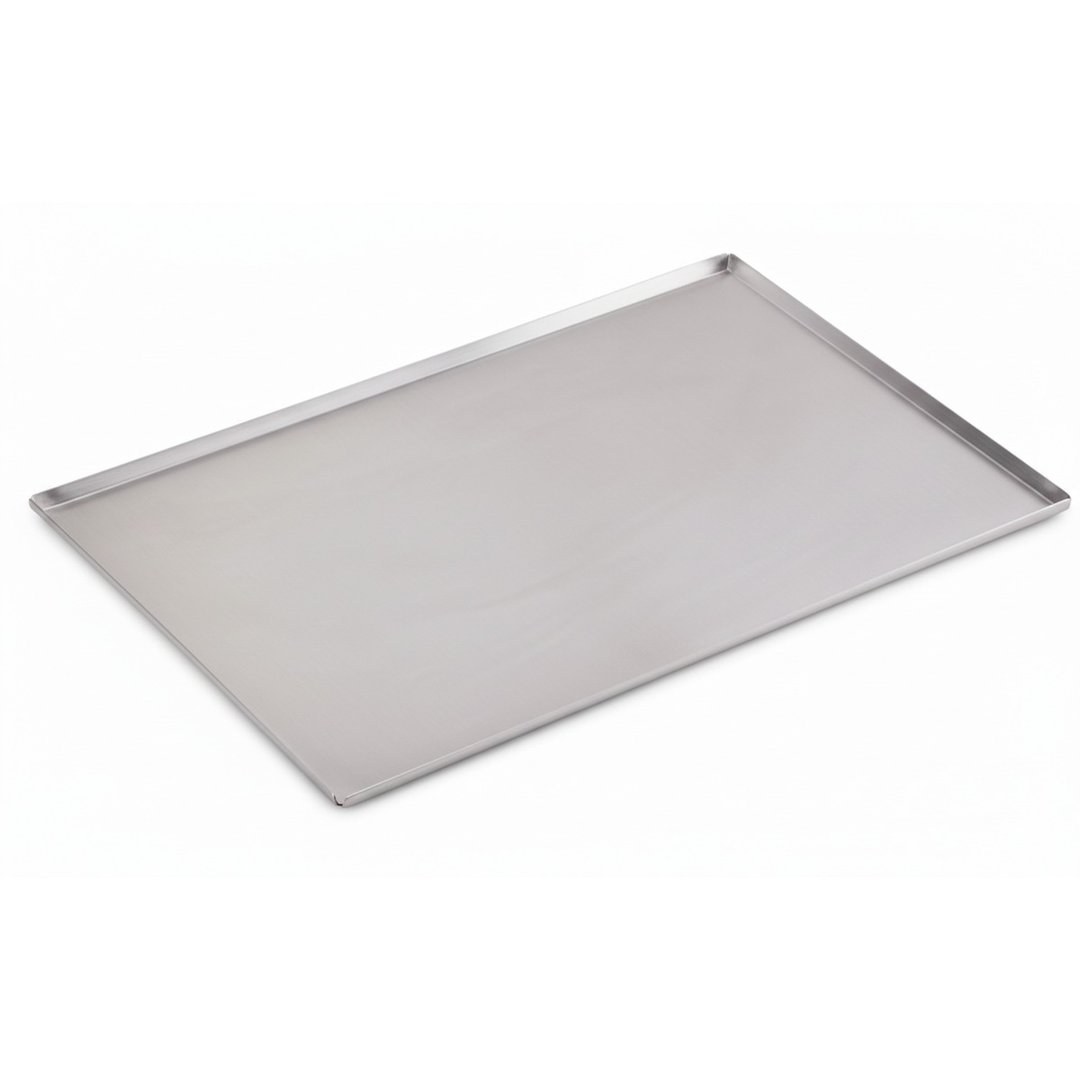
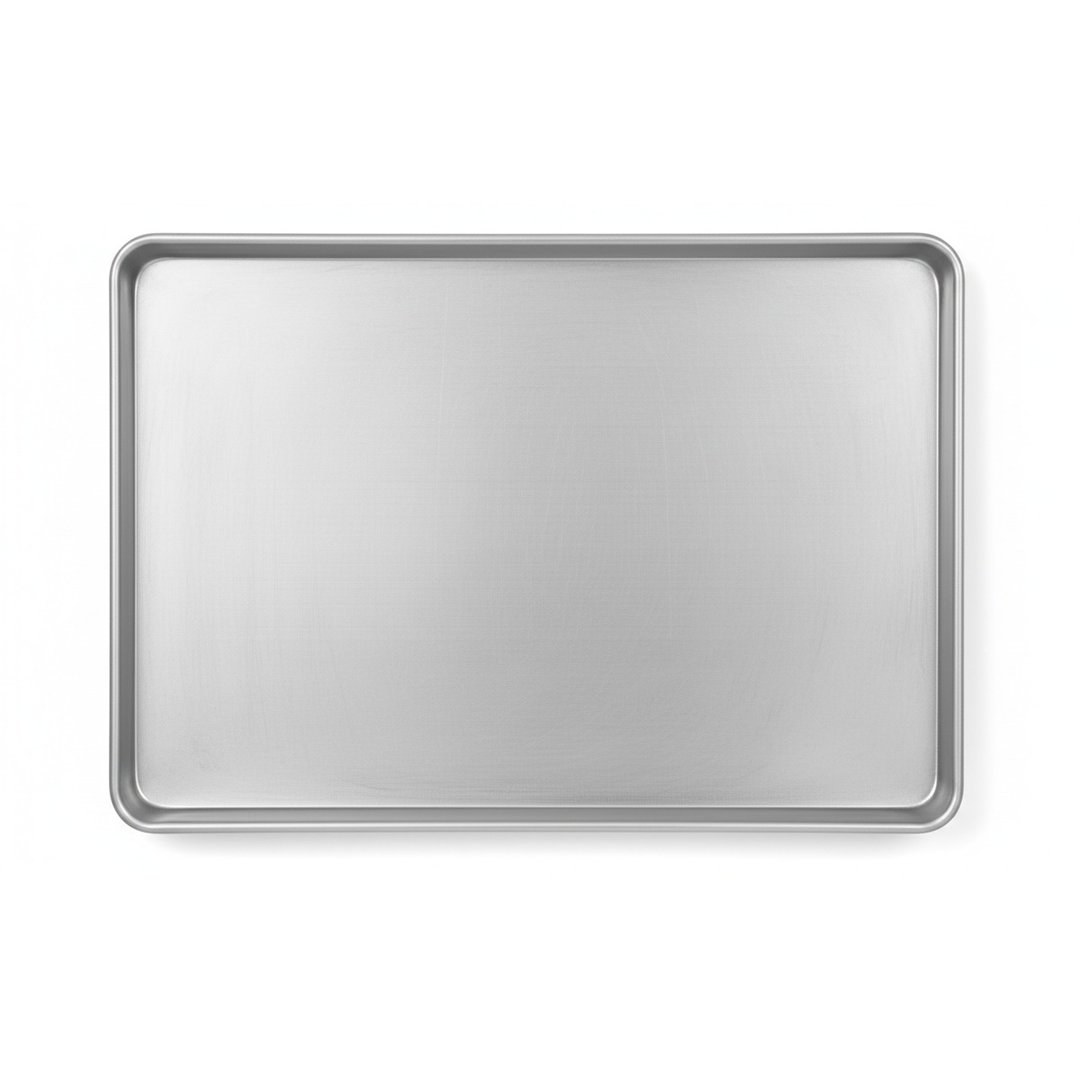
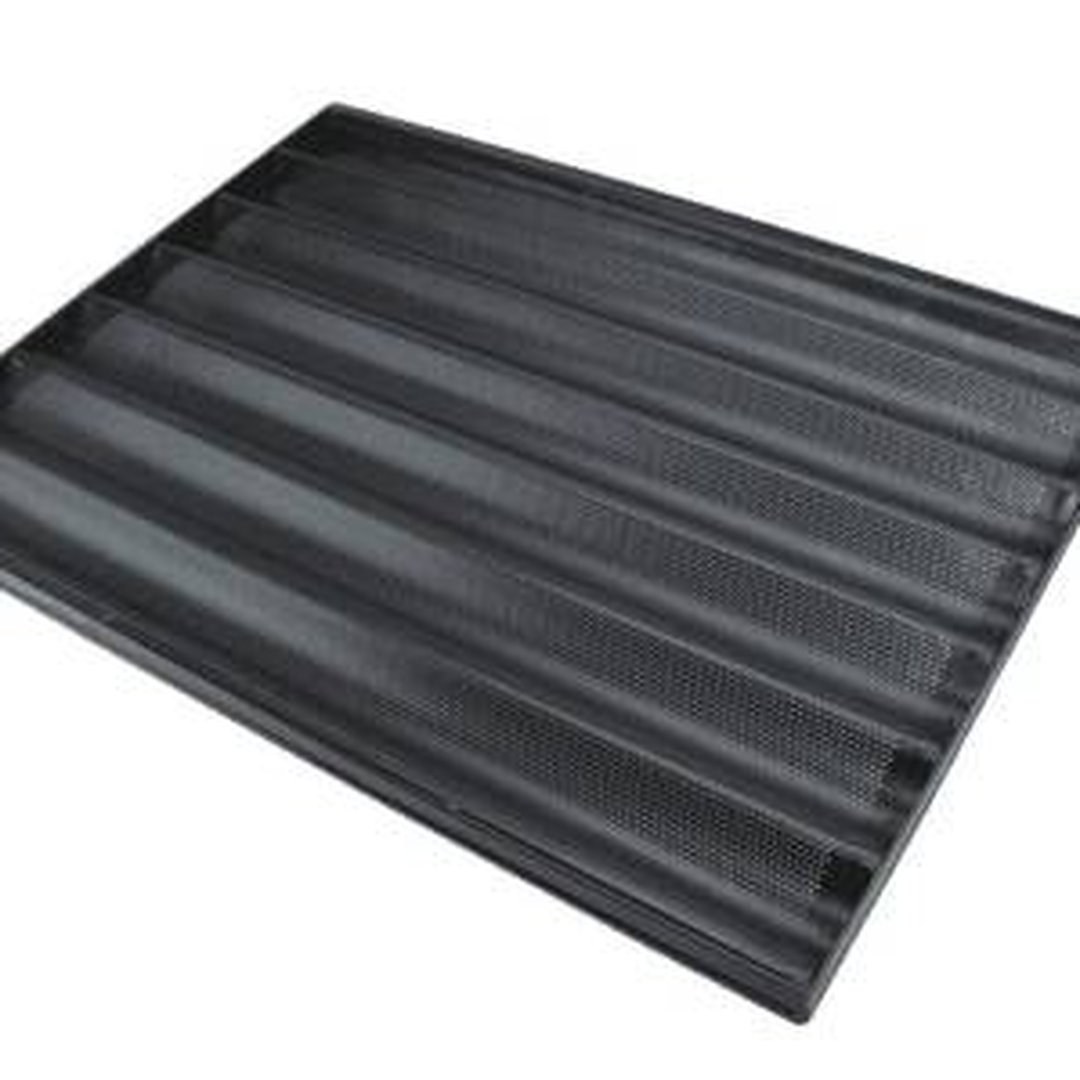
In a commercial bakery, the 60x40 cm tray is the universal standard. Every oven, proofer, rack trolley, and refrigerator in your bakery should accept this format — it is the foundation of an efficient production line. Stock at least three types:
- Flat aluminium baking trays (60x40 cm) — Your workhorse for cookies, pastries, manakish, and general baking. Aluminium distributes heat evenly and is lightweight enough for bakers to handle all day
- Perforated baking trays (60x40 cm) — The perforations allow hot air to circulate under the dough, essential for achieving a crispy bottom on baguettes, ciabatta, and flatbreads without a deck oven
- Baguette baking trays (60x40 cm) — Channelled trays that hold baguettes in shape during proofing and baking. If you are producing French bread, these are non-negotiable for a consistent, professional result
Silicone Baking Mats
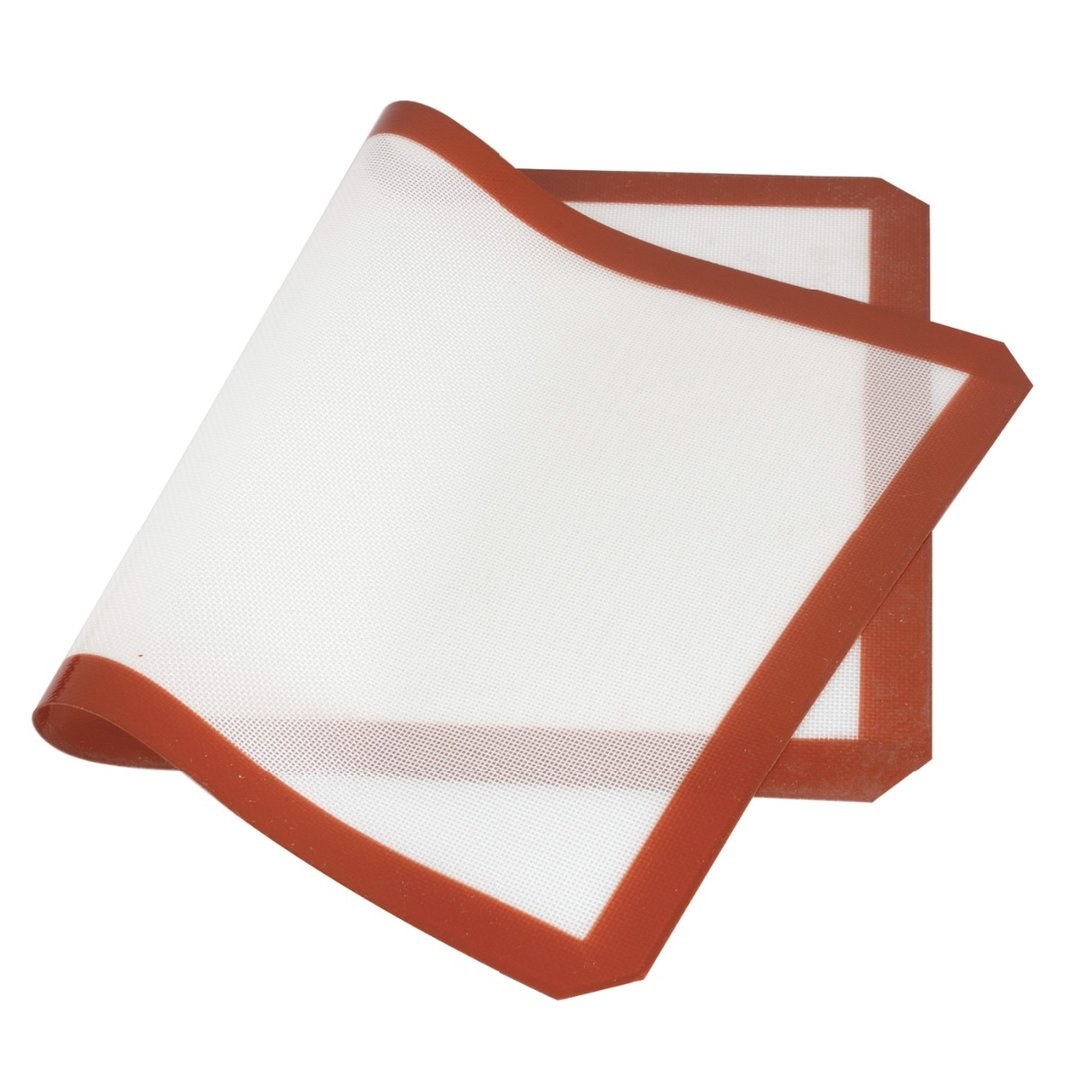
A professional silicone baking mat (600x400 mm) replaces parchment paper permanently. It provides a non-stick surface that withstands hundreds of baking cycles, eliminates the recurring cost of disposable parchment, and gives you a more consistent baking surface. Especially valuable for macarons, tuiles, and any product where even heat transfer matters.
Mobile Ingredient Bins
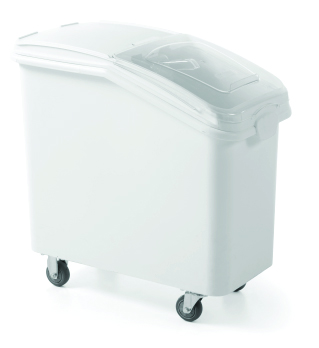
Flour is the highest-volume ingredient in any bakery, and managing it efficiently matters more than most operators realize. A polyethylene mobile ingredient bin keeps flour off the floor (HACCP requirement), protects it from humidity, and rolls directly to your mixer for ergonomic scooping. Every bakery producing more than 50 kg of flour per day should have at least two — one for bread flour, one for pastry flour — to avoid cross-contamination and speed up production changeovers.
Bakery Rack Trolleys
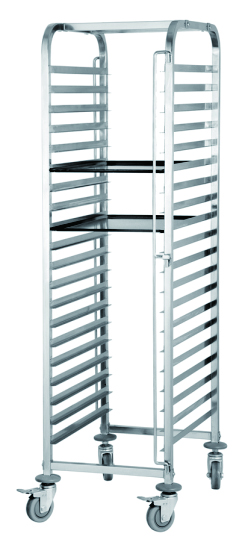
In a production bakery, trays move constantly — from prep table to proofer, proofer to oven, oven to cooling rack. A 15-level bakery tray rack trolley is the backbone of this workflow. It holds up to 15 standard 60x40 cm trays vertically, rolling between stations on casters. Without trolleys, your bakers waste time carrying trays two at a time. With them, one person moves an entire batch in one trip. For busy bakeries, you need at least three: one loading at the prep station, one in the proofer or oven, and one cooling finished product.
Frequently Asked Questions About Bakery Equipment
What equipment do I need to open a bakery in Lebanon?
At minimum, you need a spiral dough mixer (25–50 kg), a gas deck oven or manakish oven, a proofer, baking trays, rack trolleys, and stainless steel work surfaces. Add a dough sheeter if you are producing pastry or fatayer. For a pastry-focused bakery, include a planetary mixer, a convection oven with steam, silicone baking mats, and a refrigerated display case.
What is the difference between a spiral mixer and a planetary mixer?
A spiral mixer has a fixed spiral hook that kneads dough — it is purpose-built for bread, manakish, and pizza dough in high volumes. A planetary mixer has interchangeable attachments (whisk, paddle, dough hook) with a head that rotates around the bowl, making it versatile for cream, batter, meringue, and small dough batches. Most bakeries need both: spiral for production dough, planetary for pastry work.
Do I need a proofer for my bakery?
Yes, if you want consistent results year-round. Lebanon's climate varies significantly between seasons, and ambient proofing gives unpredictable results. A proofer maintains exact temperature and humidity for reliable dough rising. A retarder-prover adds overnight cold fermentation capability, reducing early-morning labour and improving flavour development.
What is the difference between a deck oven and a convection oven for baking?
Deck ovens bake with radiant heat from stone or steel decks, producing bread with a crispy crust and open crumb — the traditional way Lebanese bread should be baked. Convection ovens use circulating hot air for fast, even baking — better for pastries, croissants, and high-volume production. Most Lebanese bakeries use both: deck ovens for bread and manakish, convection ovens for viennoiserie and pastries.
Why do bakeries use 60x40 cm trays?
The 60x40 cm (also called GN-compatible or Euronorm) tray size is the universal commercial bakery standard. Every professional oven, proofer, rack trolley, and refrigerator is designed around this dimension. Standardising on one tray format means every piece of equipment in your bakery works together seamlessly — trays slide from mixer to proofer to oven to cooling rack without transfers.
Ready to Equip Your Bakery?
Whether you are opening your first furn or upgrading an established production bakery, the right bakery equipment investment sets the foundation for everything that follows. Browse our complete Pastry & Bakery Starter Kit collection for curated equipment packages, or explore the full bakery and pastry sector page for detailed equipment recommendations by production type.
Need help sizing bakery equipment for your specific operation? Our team has equipped hundreds of bakeries across Lebanon and the MENA region. Contact us for a free consultation, or send us a message on WhatsApp — we will help you build the right equipment list for your production goals.