Opening a restaurant in Lebanon is one of the most exciting — and expensive — ventures you can take on. Between Beirut's competitive dining scene, evolving customer expectations, and the operational realities of running a kitchen in the MENA region, getting your equipment list right from day one isn't optional. It's the difference between a kitchen that runs smoothly for a decade and one that hemorrhages money in repairs and replacements within the first two years.
At IPEC, we've spent 45 years equipping kitchens across Lebanon and the region — from family-run mezze houses in Hamra to five-star hotel restaurants on the coast. This checklist is built from that experience, and every item links directly to real equipment you can browse and quote in our online shop. Use it as your starting point, then refine it based on your concept, menu, and space.
Before You Buy: Plan Your Kitchen by Station
The single biggest mistake new restaurateurs make is shopping equipment by category instead of by workflow. A commercial kitchen isn't a list of appliances — it's a series of stations that need to feed into each other efficiently during a 200-cover dinner service.
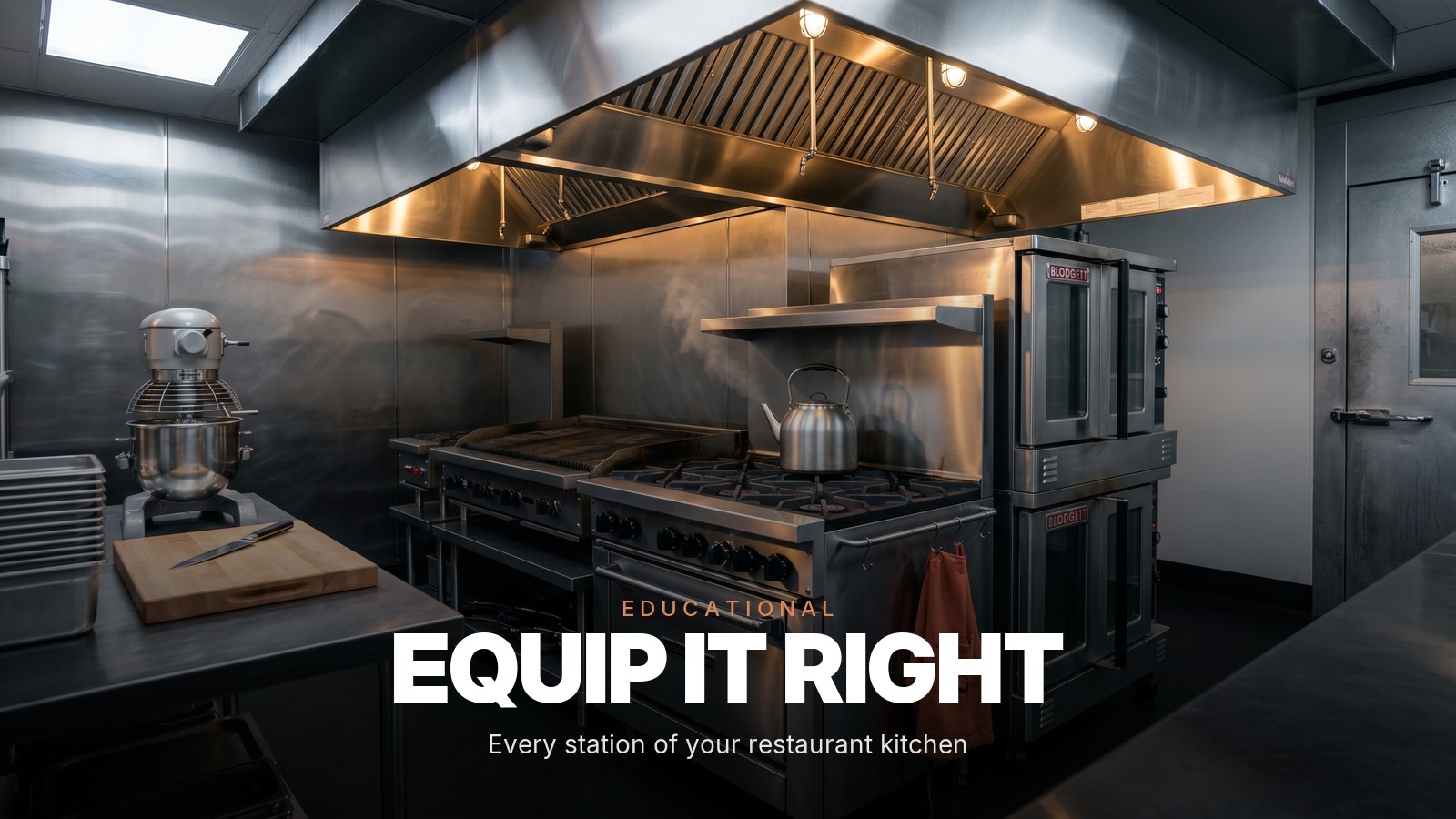
Before you draw up an equipment list, finalize your menu. Your menu drives your equipment, not the other way around. A grill-forward concept needs different gear than a pasta bar or a shawarma counter. Once your menu is locked, group dishes by cooking method and you'll see your stations emerge naturally: prep, cold line, hot line, pastry, dish pit, and storage.
You should also factor in Lebanese realities: voltage stability, water quality, and the need for equipment that holds up to long hours and frequent power cycling. CE-marked European equipment is the standard we recommend for serious operators — it's built for HACCP compliance and performs reliably in real-world conditions. If you'd like help designing the layout before you buy, our commercial kitchen design service is free with any equipment purchase.
If you're opening your first food business and want a curated starting point, browse our New Kitchen Starter Pack collection — it bundles the essentials for cooking, refrigeration, prep, and warewashing in one package. Or for a full restaurant setup, see the Restaurant Kitchen Setup collection with equipment from TKF, Ambassade de Bourgogne, and STIL covering every station.
Station 1: Cold Storage and Refrigeration
Before a single ingredient hits a cutting board, it needs to be stored properly. Refrigeration is where you protect your food cost and your food safety simultaneously, so don't cut corners here.
For most full-service restaurants, you'll need:
- A walk-in cold room for bulk storage of produce, dairy, and prepped items (typically 6–12 m² depending on volume)
- A walk-in freezer for proteins and frozen goods
- Upright reach-in refrigerators on the line for service-ready items — browse our full refrigeration category for upright models, chest freezers, and bar coolers
- Undercounter refrigerators and cold preparation tables at each station to keep mise en place at hand
- A blast chiller if you're doing volume prep, batch cooking, or any sous vide work — this is non-negotiable for HACCP-compliant cooling
All our refrigeration units feature auto-restart after power cuts — essential in Lebanon where grid-to-generator switches happen multiple times daily. For TKF refrigeration equipment specifically, tropical-rated compressors handle ambient temperatures up to 43°C without issue.
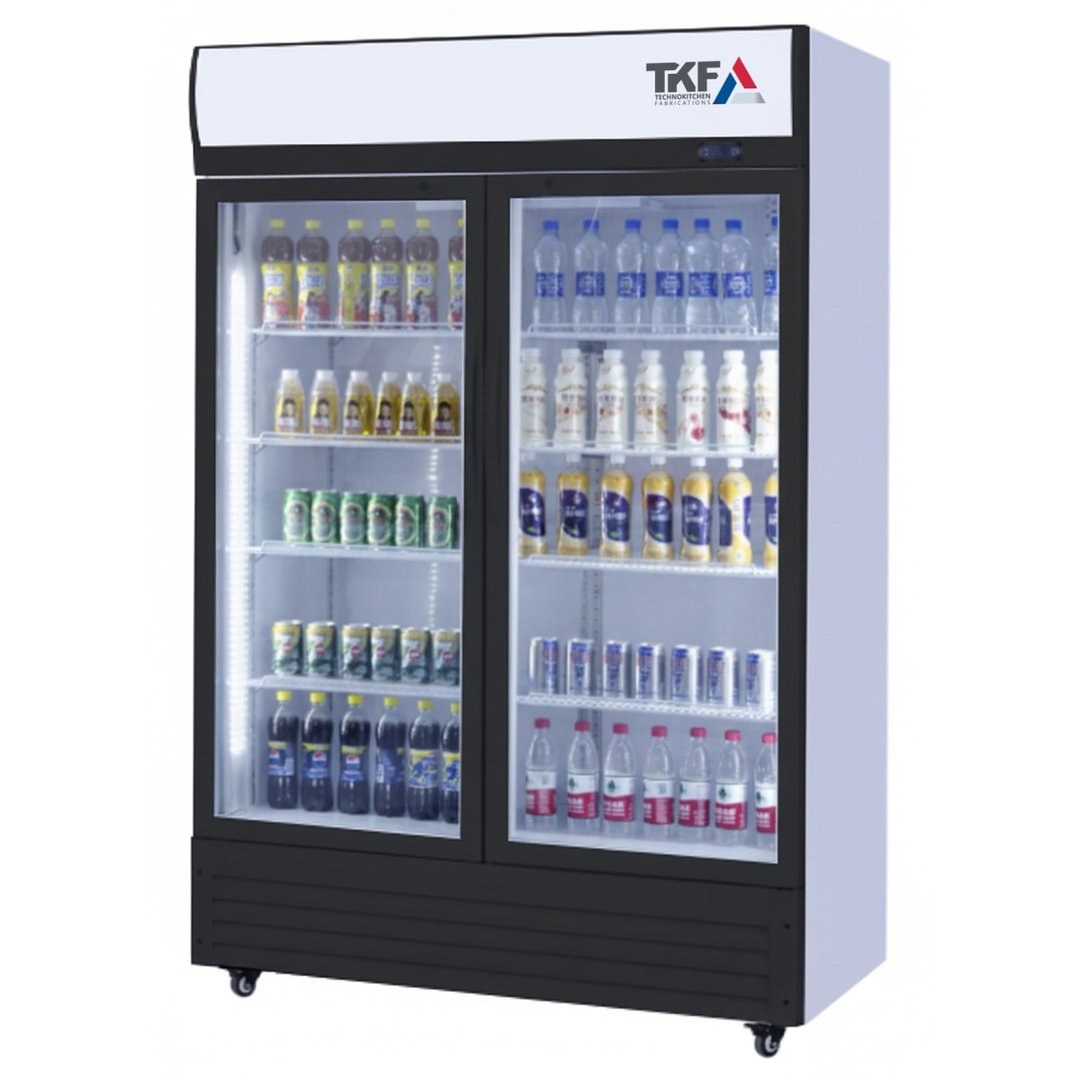
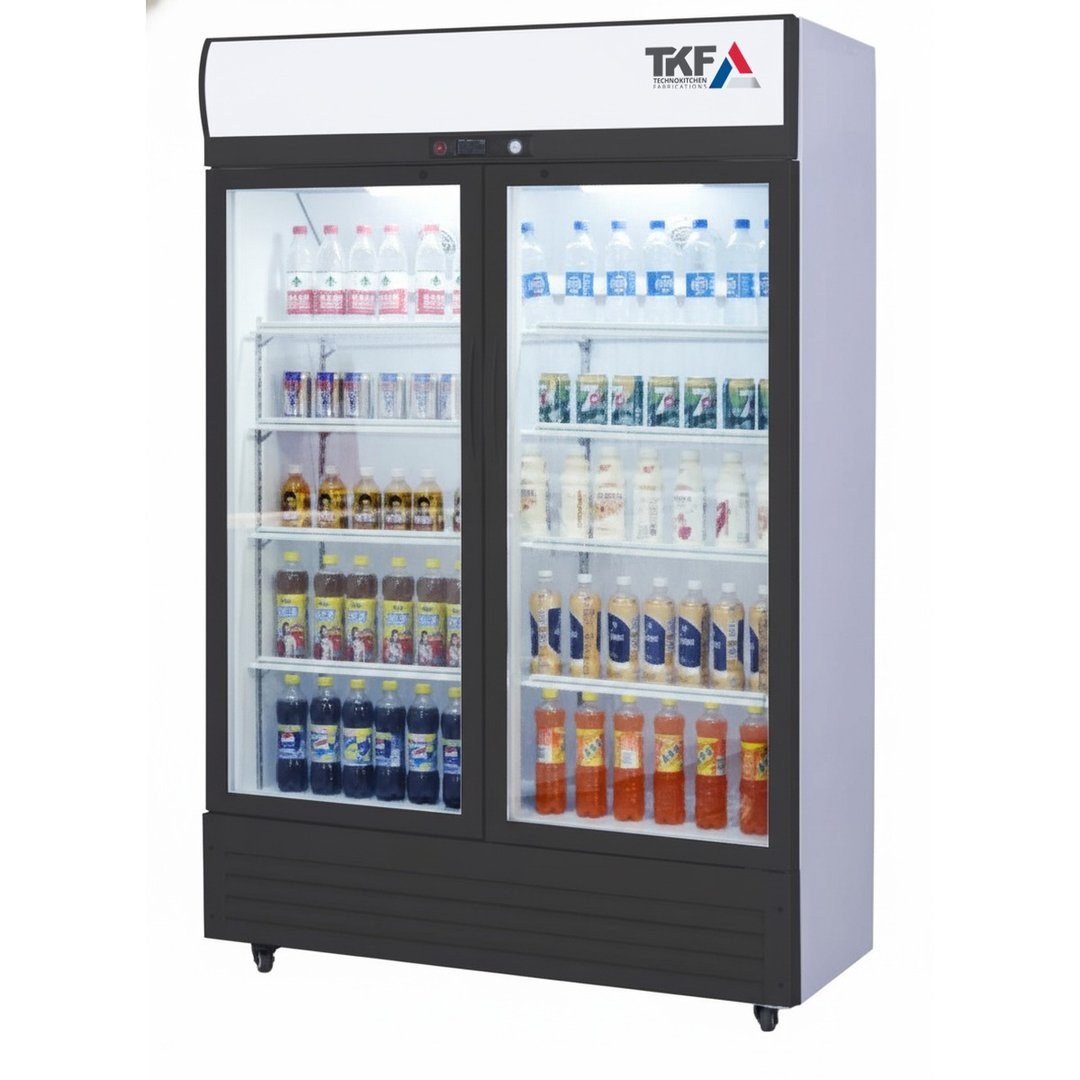
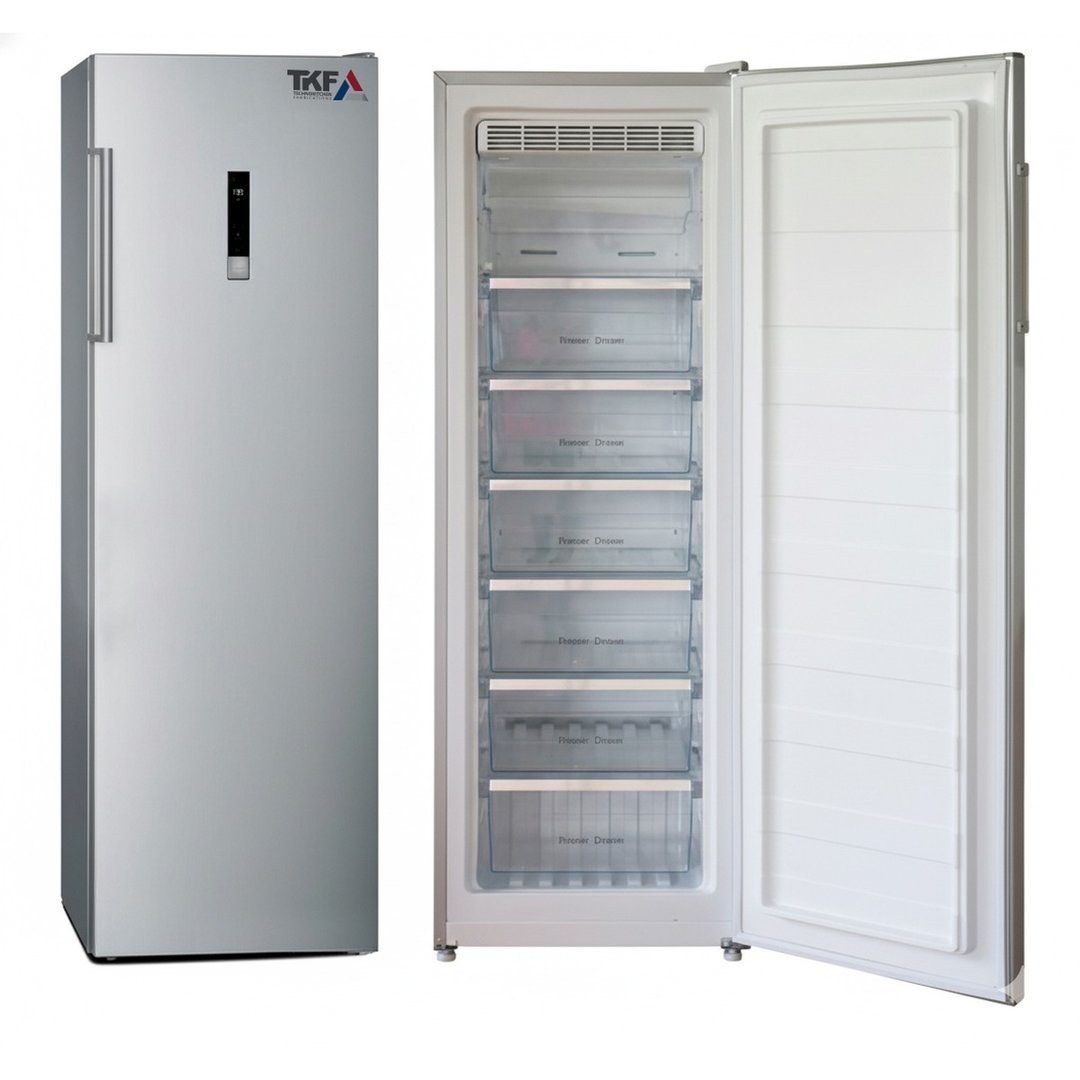
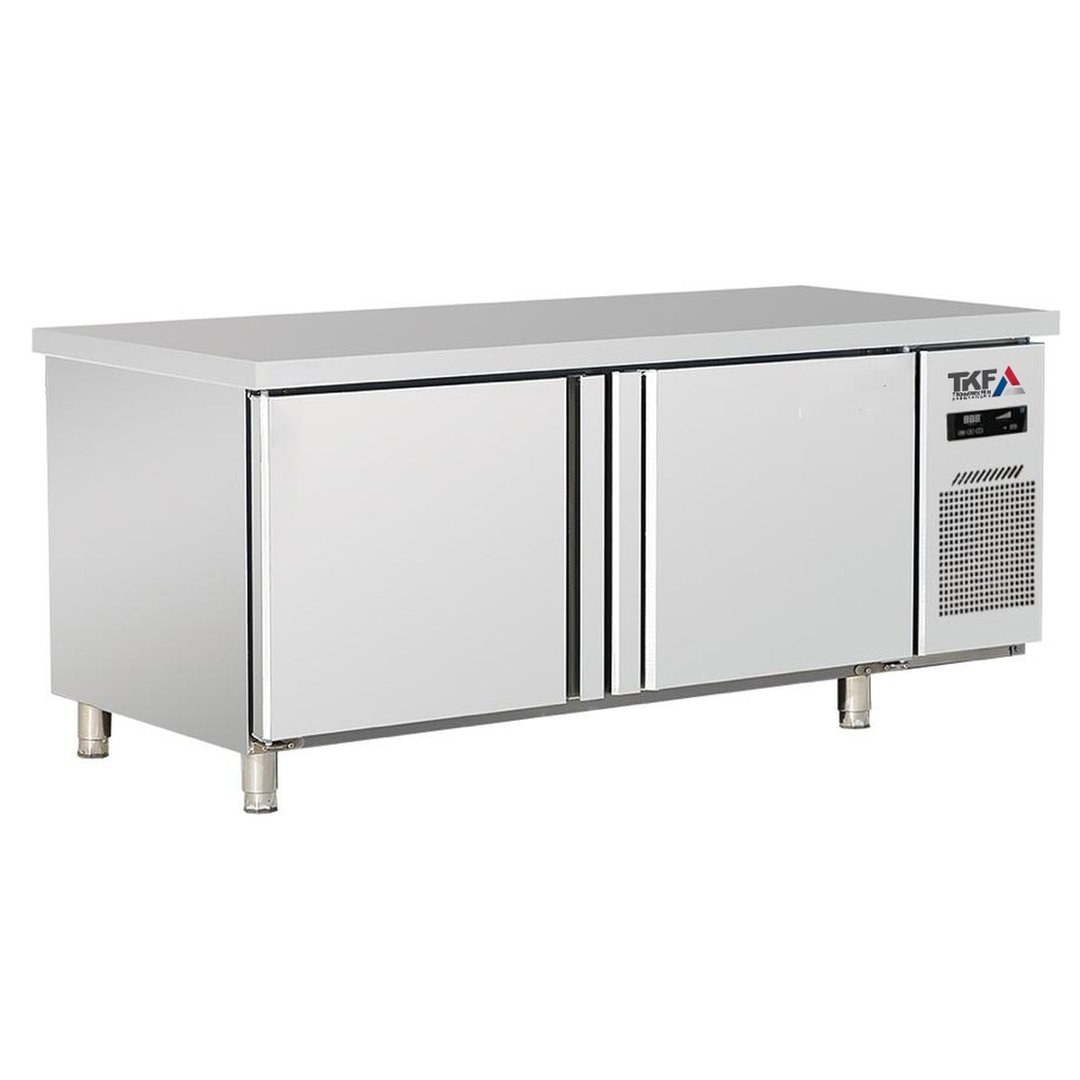
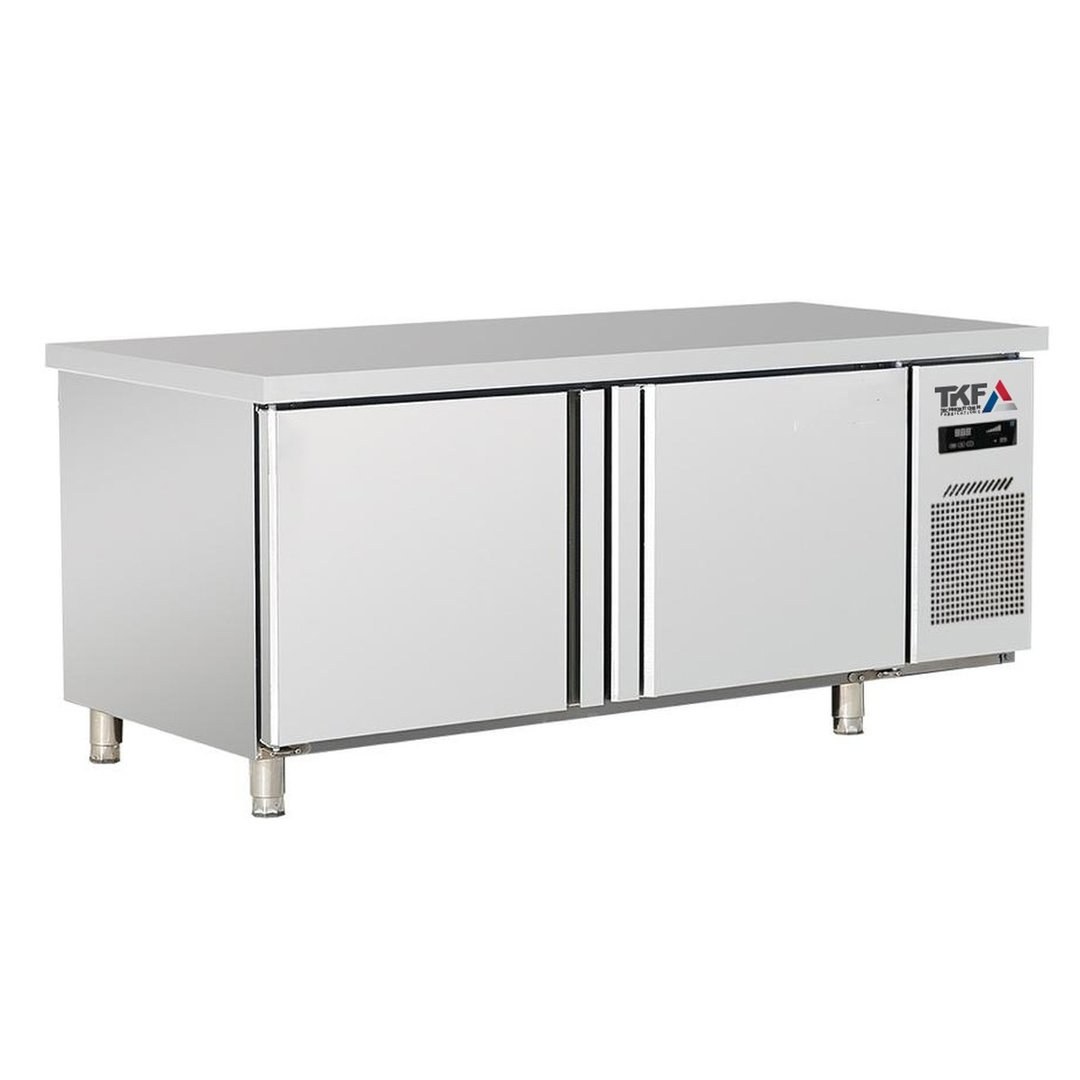
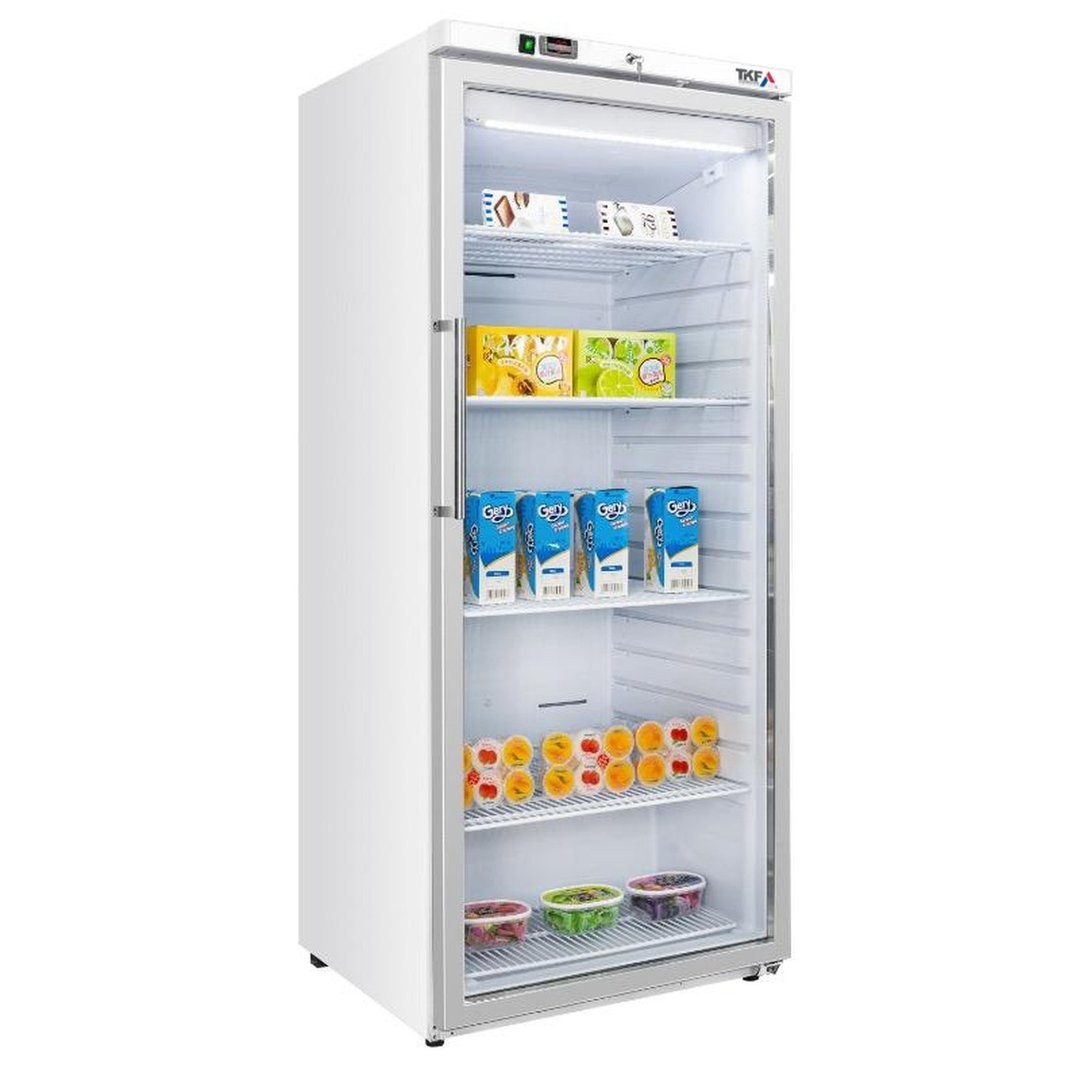
Explore our curated Cold Kitchen Setup collection to see reach-in refrigerators, blast chillers, sandwich prep stations, and salad bars assembled for Lebanese commercial kitchens.
Station 2: Prep Area
The prep station is the engine room of your kitchen. Underestimate it and your line will choke at 7:30 PM every night. Plan for ample stainless steel work surfaces, dedicated sinks for produce washing, and the right machines to handle your volume.
Essential prep equipment includes:
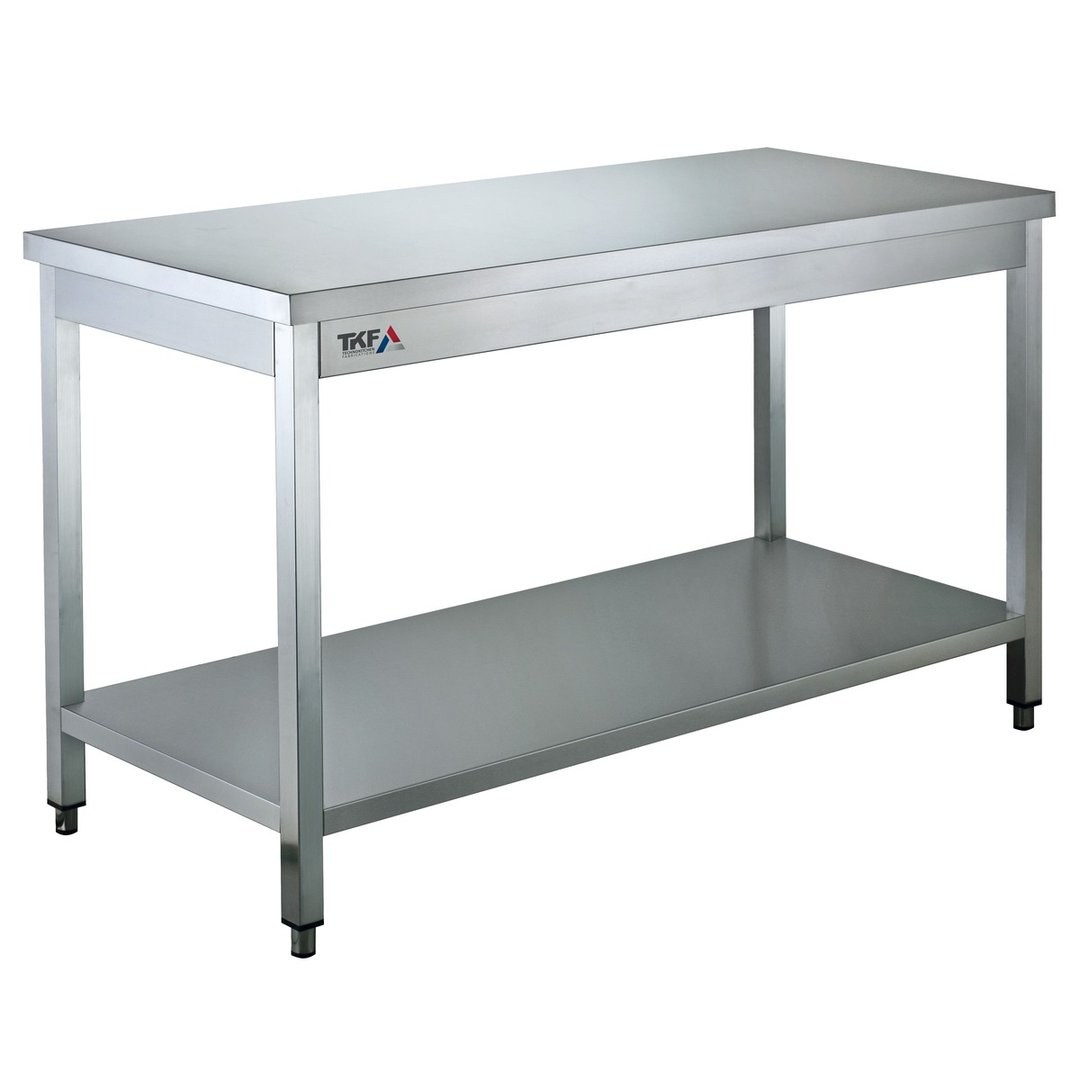
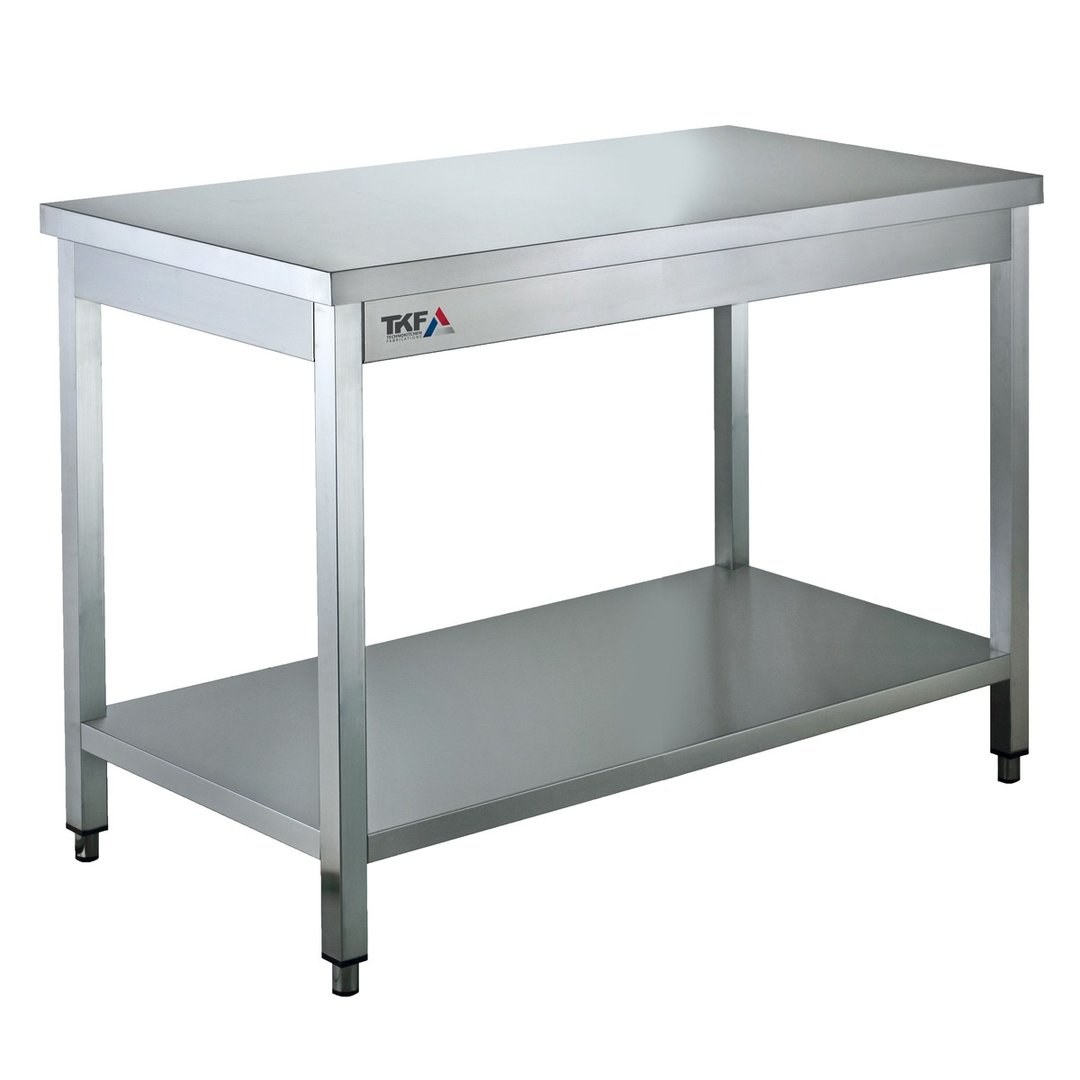
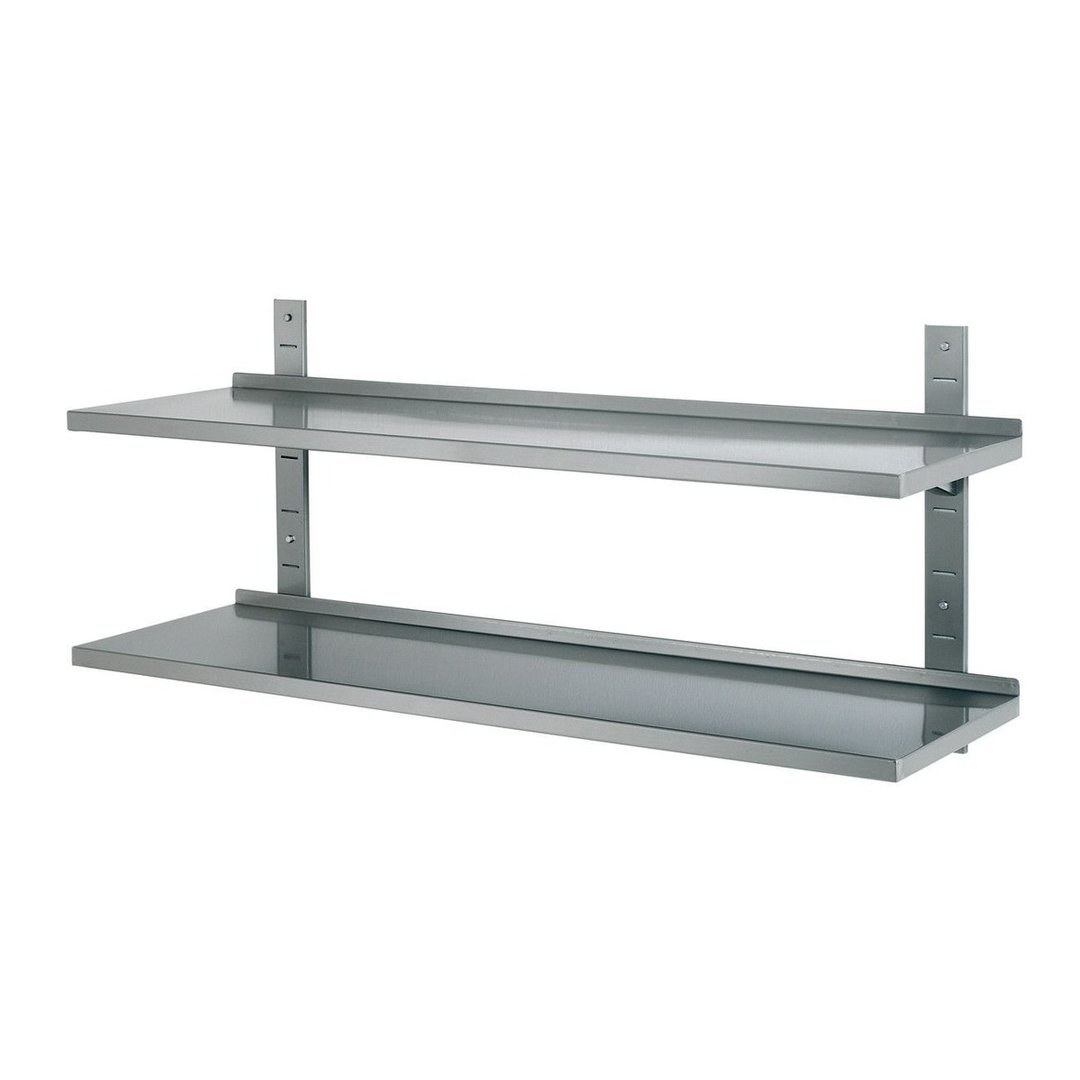
- Stainless steel prep tables with undershelves — buy more than you think you need. See our Stainless Steel Kitchen Build collection for tables, shelving, and sinks in food-grade 304 stainless
- Vegetable prep sinks (separate from your handwash and dish sinks per HACCP)
- A planetary mixer (10L, 20L, or 40L depending on output) for sauces, doughs, and batters — available in our Food Preparation Equipment category under mixing/blending
- A vegetable cutter or food processor for consistent dicing and slicing
- A meat slicer if you serve cold cuts, shawarma, or carpaccio
- A meat mincer for kibbeh, kafta, and burger production — a must in Lebanese kitchens. For a restaurant processing 50–100 kg daily, a #22 or #32 mincer handles the volume
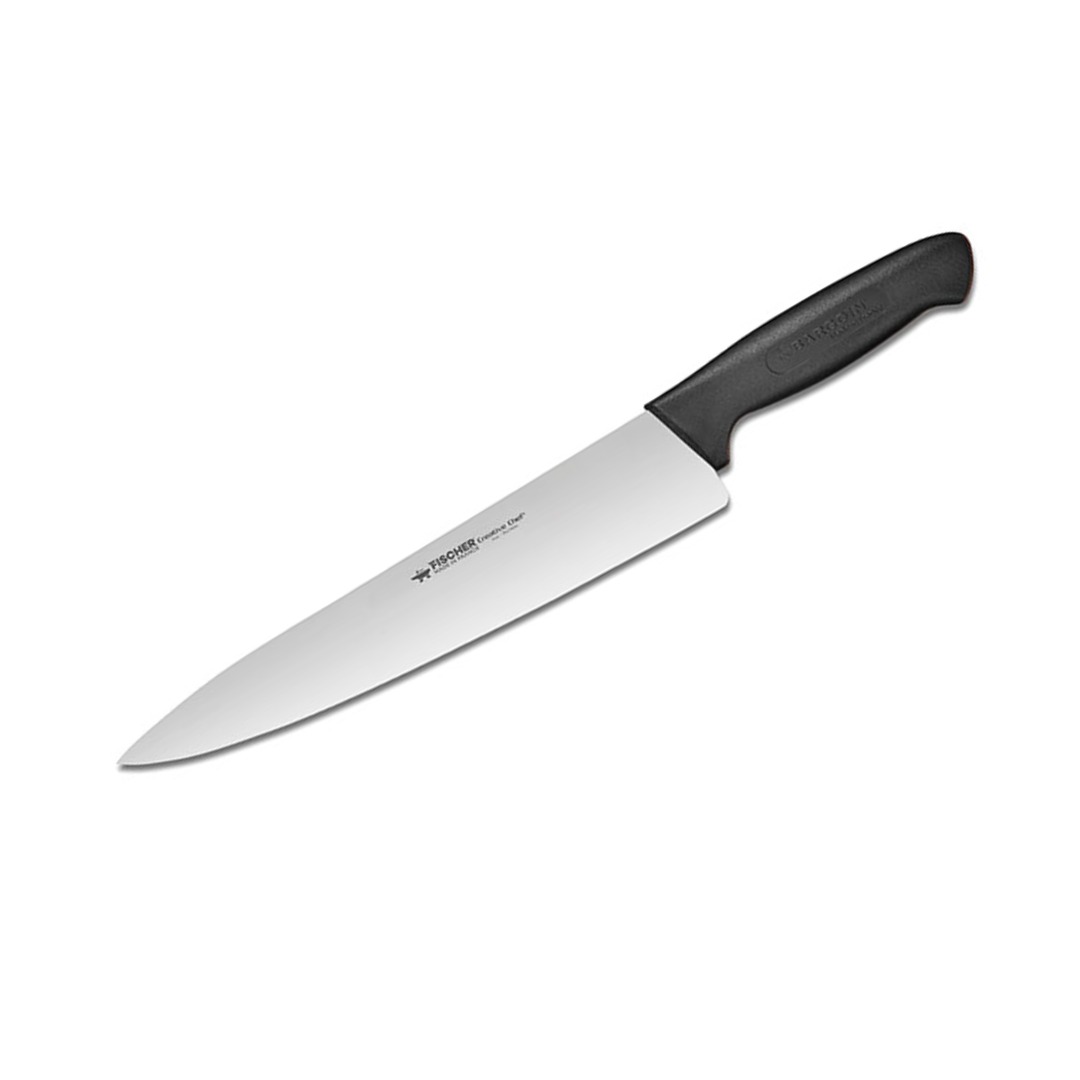
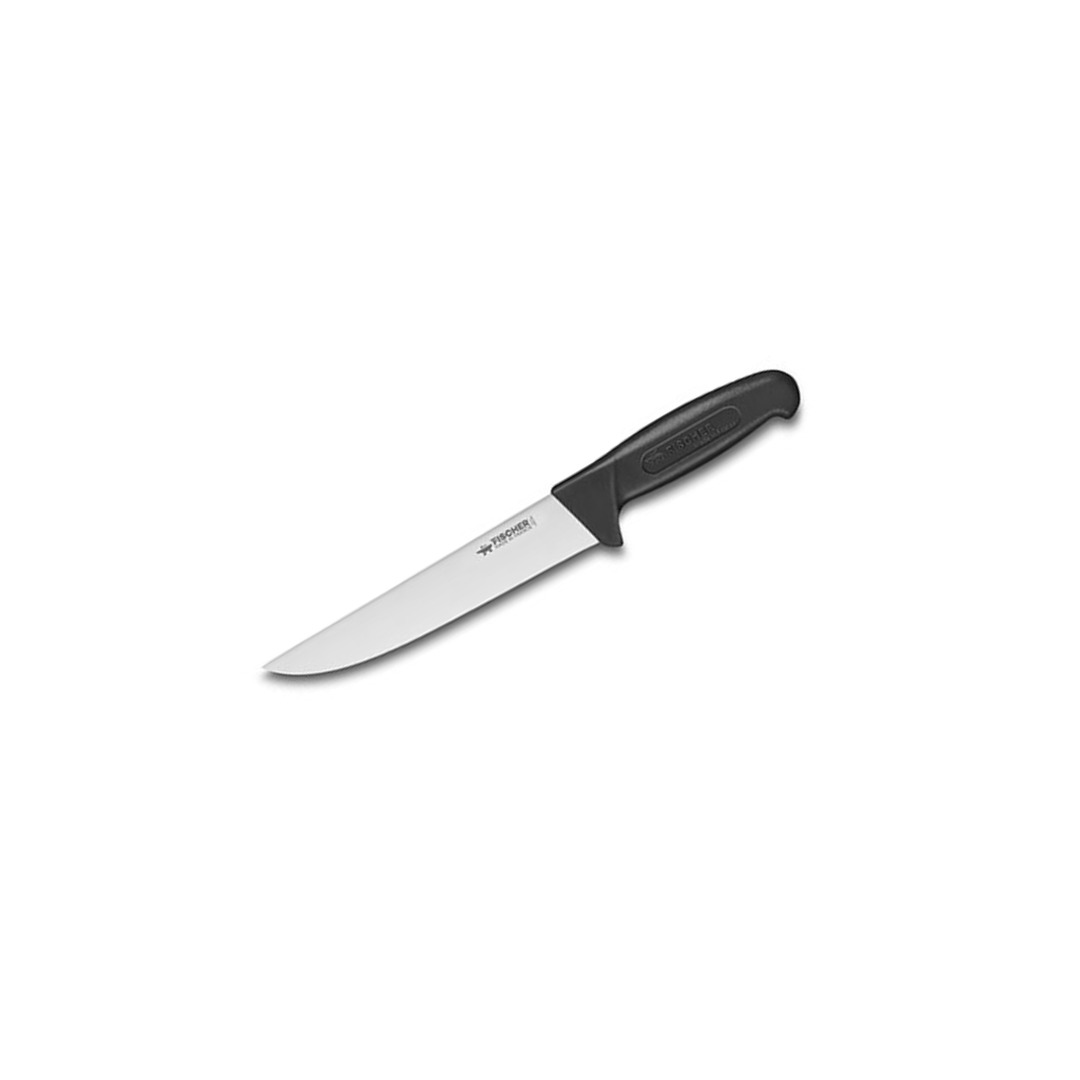
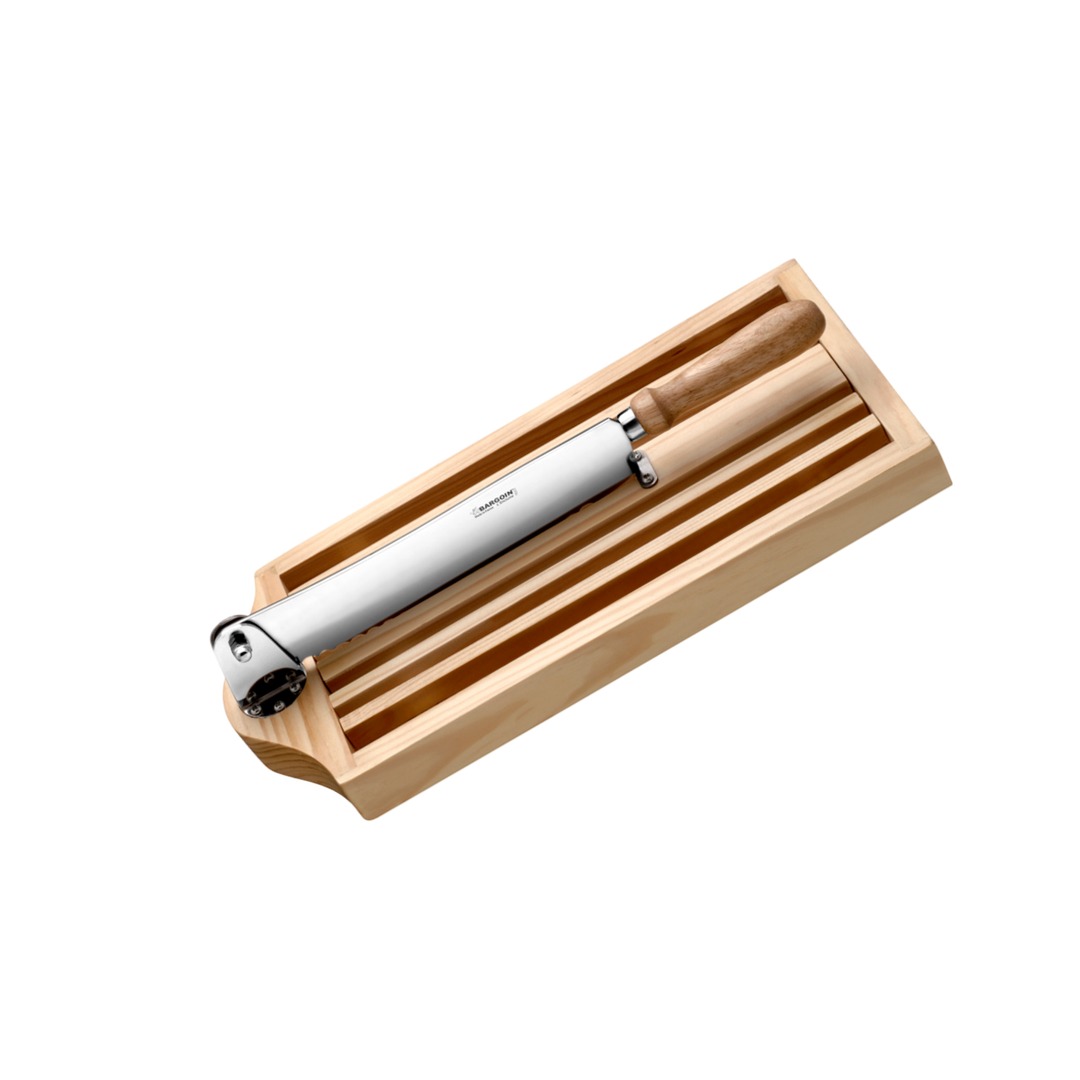
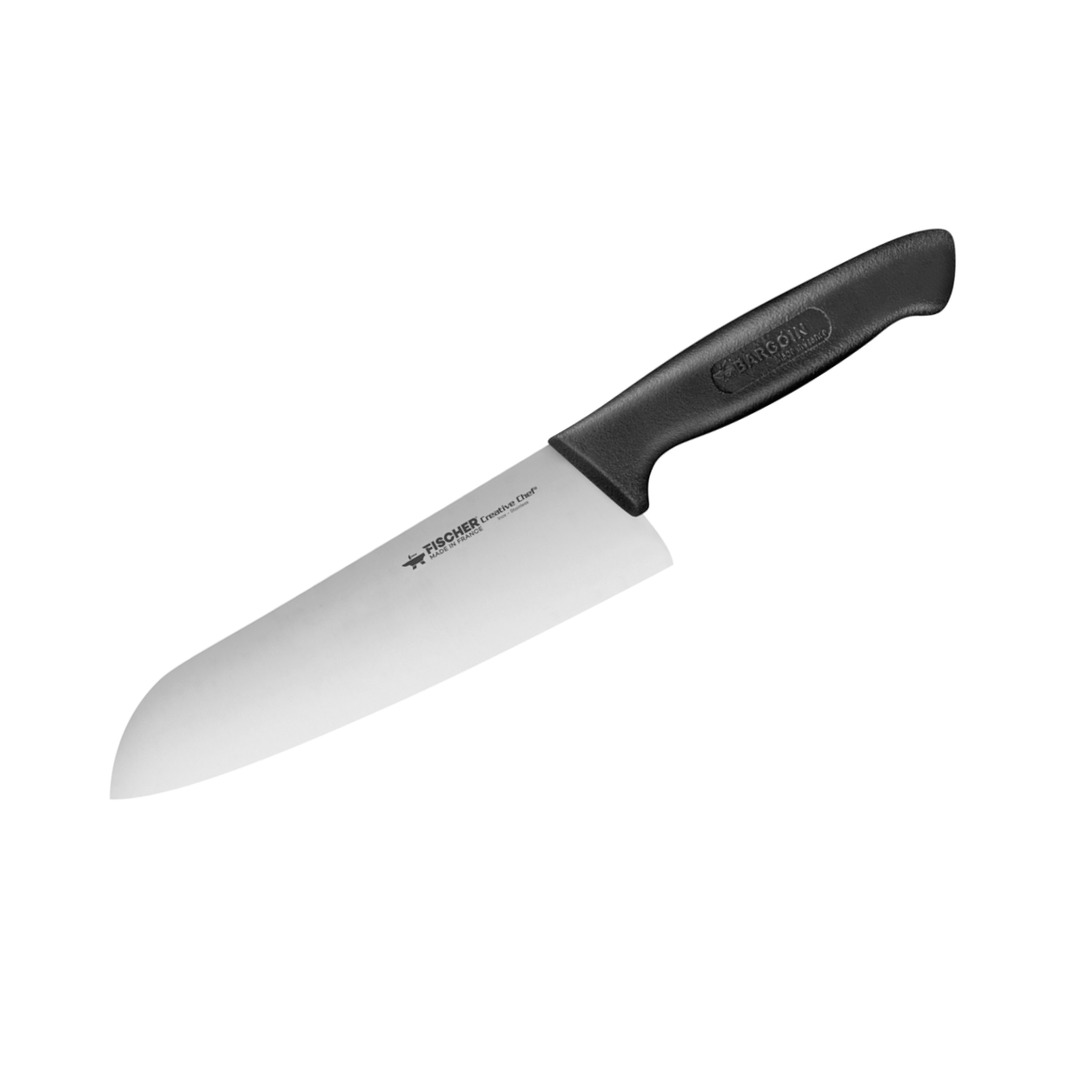
- Professional knives, cutting boards, scales, and storage containers — see our Chef's Knife Collection from Fischer France and our HACCP Kit for color-coded boards
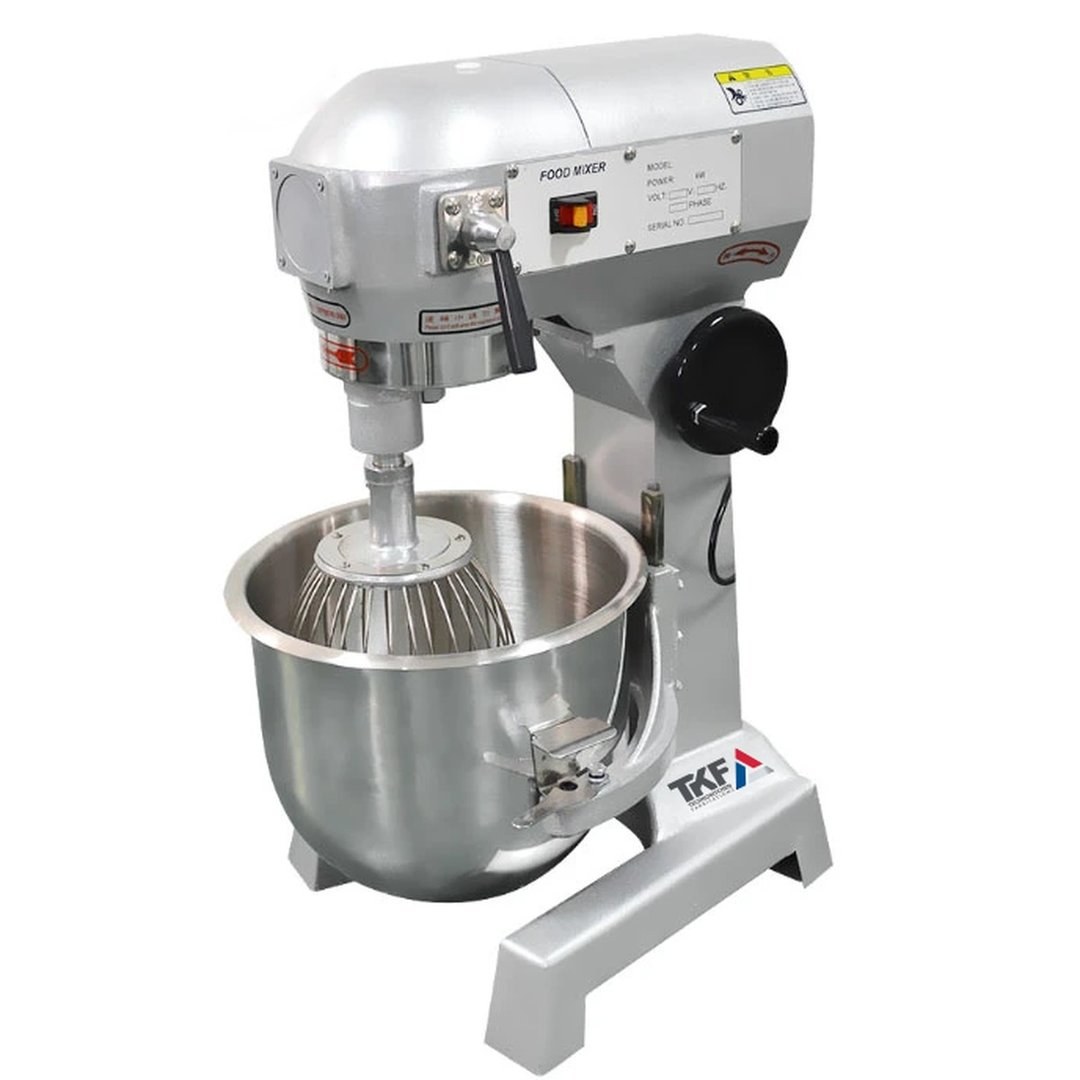
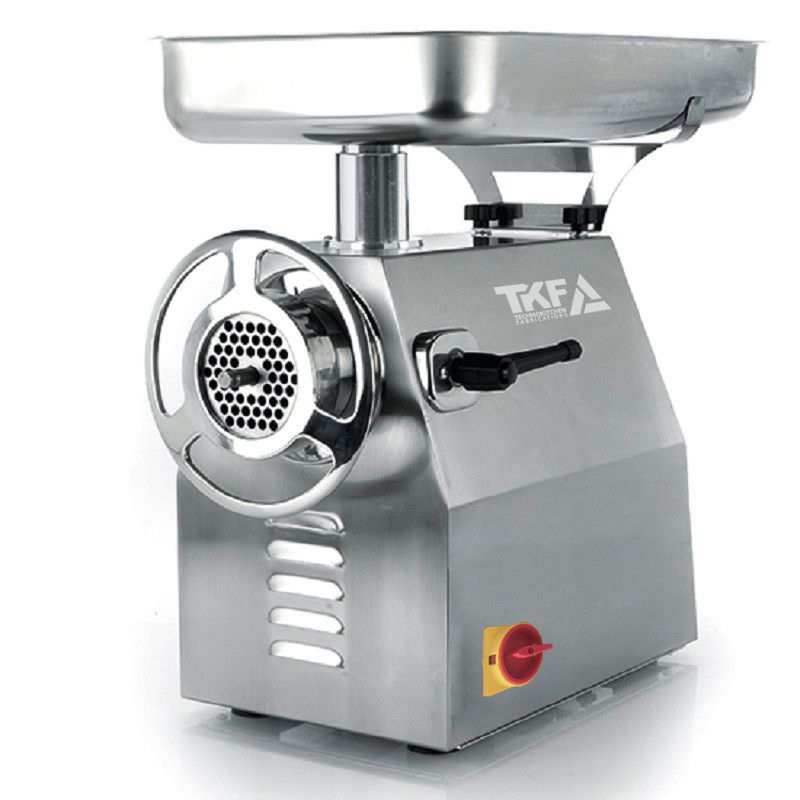

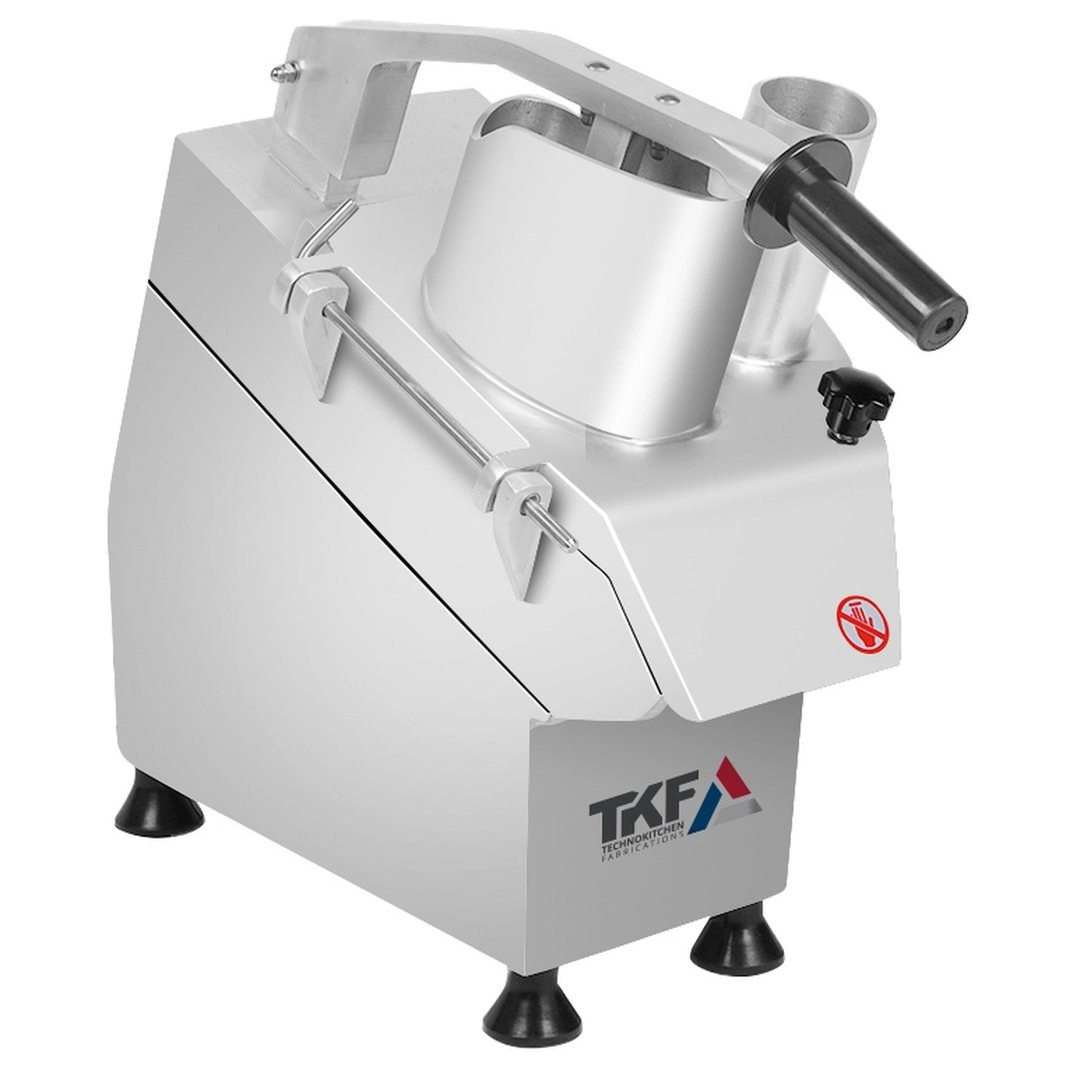
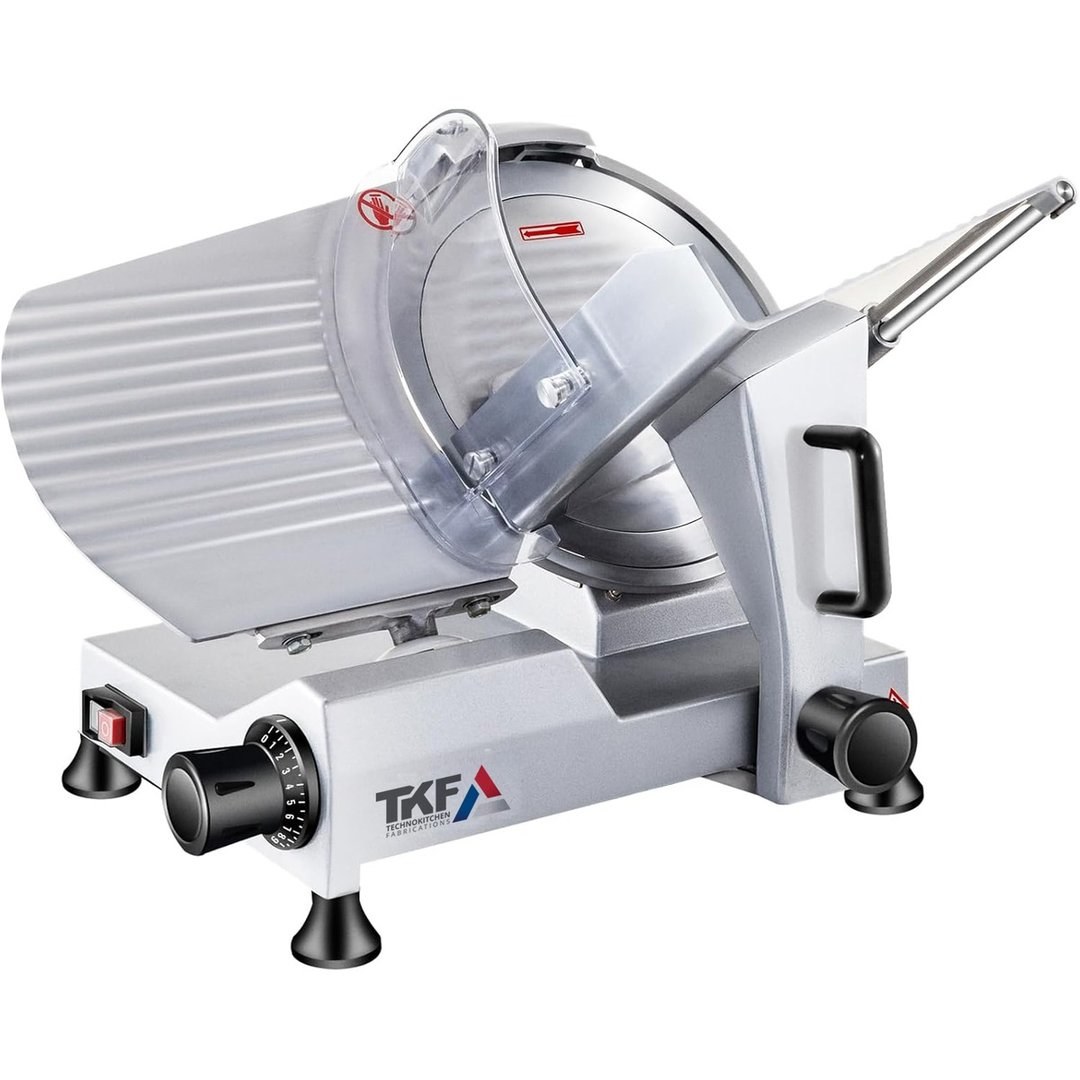
For a complete view of prep machines — mincers, vegetable cutters, slicers, processors, and mixers — browse the Food Prep Powerhouse collection.
Station 3: The Hot Line — Cooking Equipment
This is where the magic happens, and where most of your budget will go. Your hot line should be designed around the cooking methods your menu actually uses — not a generic checklist of appliances. That said, most full-service restaurants in Lebanon will need a combination of the following:
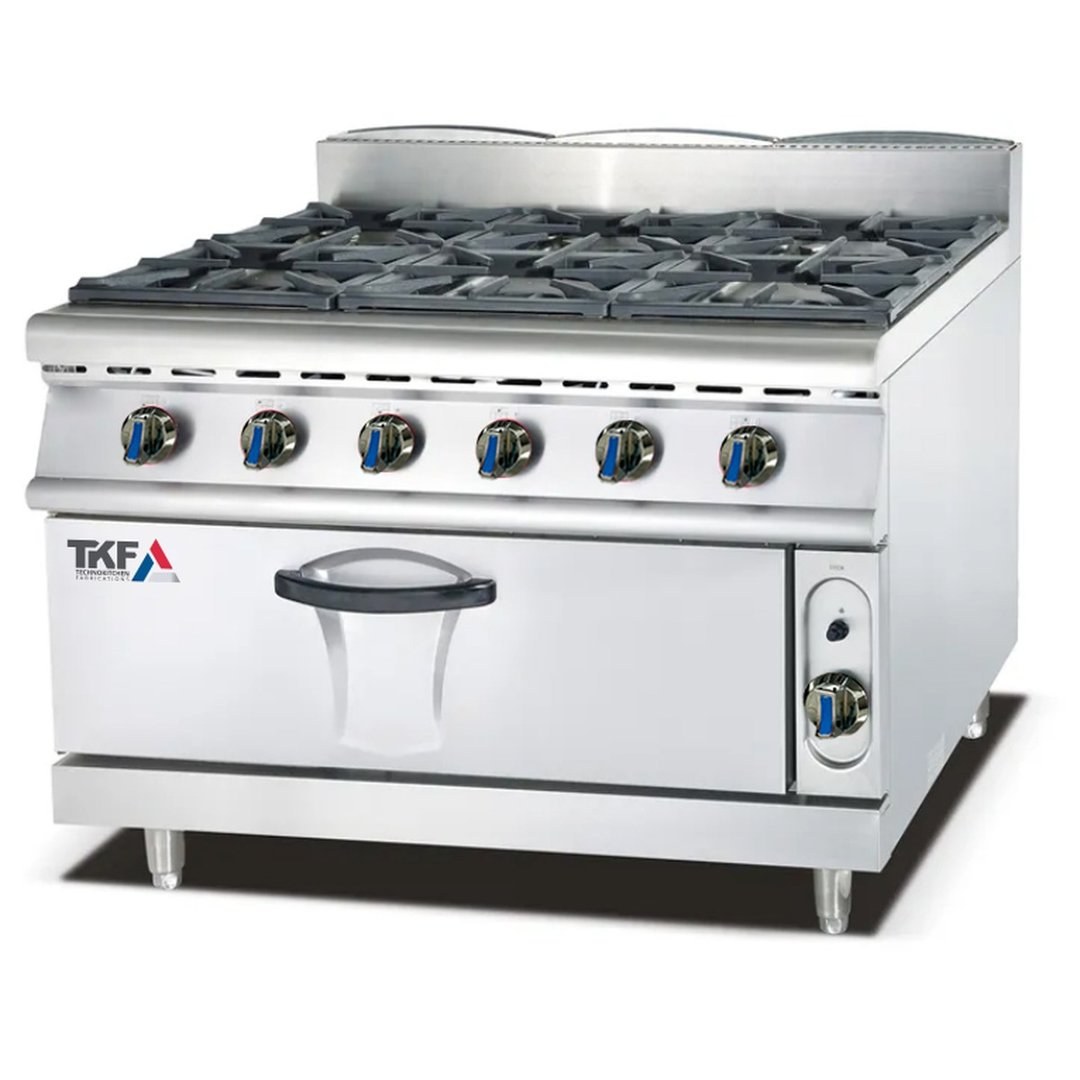
- A six-burner gas range with oven base — the workhorse of nearly every kitchen. TKF and Ambassade de Bourgogne ranges are built for continuous heavy-duty use
- A commercial griddle or plancha for breakfast service, burgers, and seared items
- A char-grill (gas or charcoal) if grilled meats are central to your menu — see our BBQ & Grill Master collection for commercial charcoal and gas grills, including shawarma rotisseries
- A salamander or overhead grill for finishing, gratinating, and toasting
- A combi or convection oven — arguably the highest-ROI piece of equipment in any modern kitchen, capable of steaming, roasting, baking, and regenerating. TKF and Ambassade convection ovens with steam injection replace three or four single-function units
- Deep fryers with appropriate capacity (most kitchens benefit from two split-tank fryers rather than one large unit)
- A pasta cooker if pasta is on the menu
- Bain-maries for holding sauces and stocks
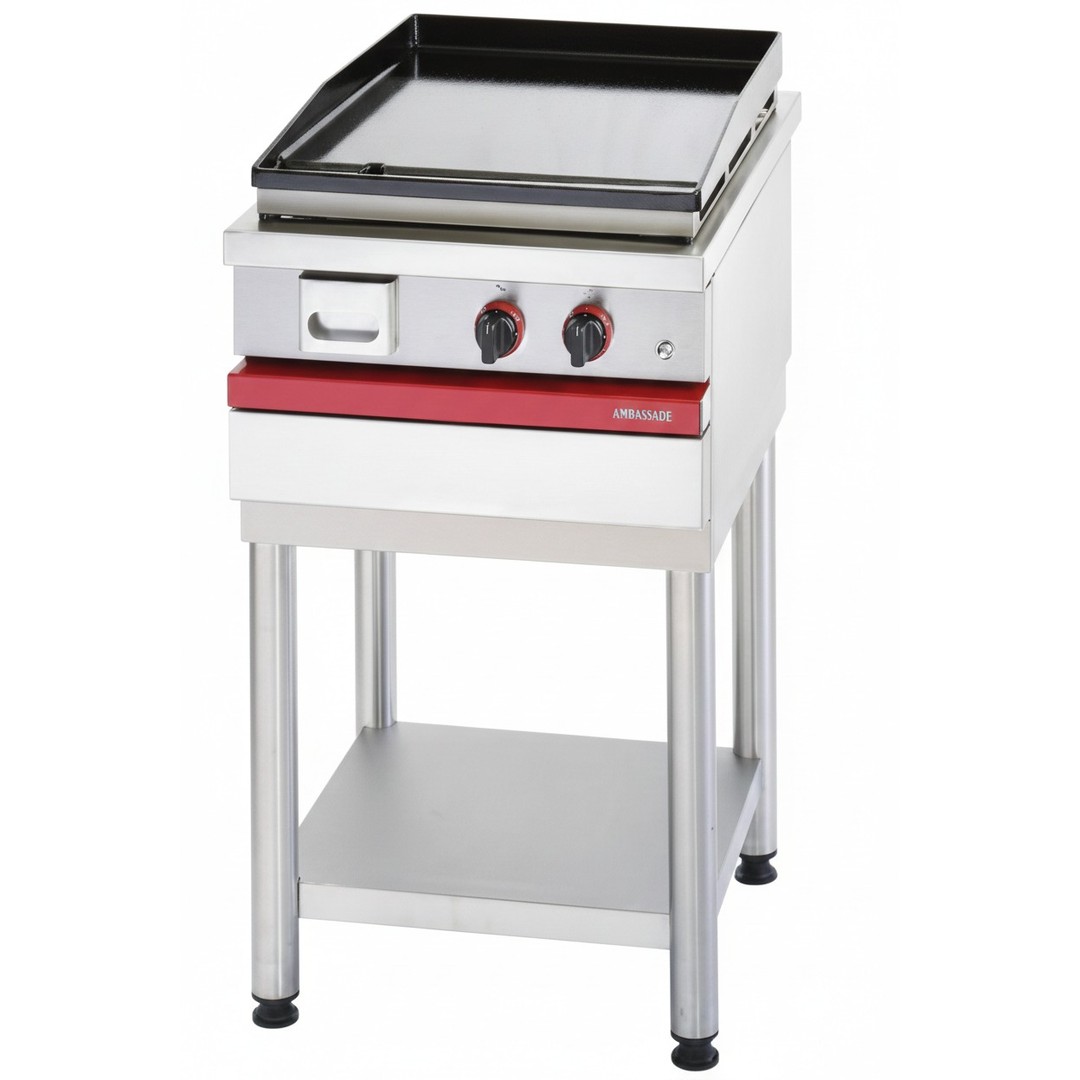
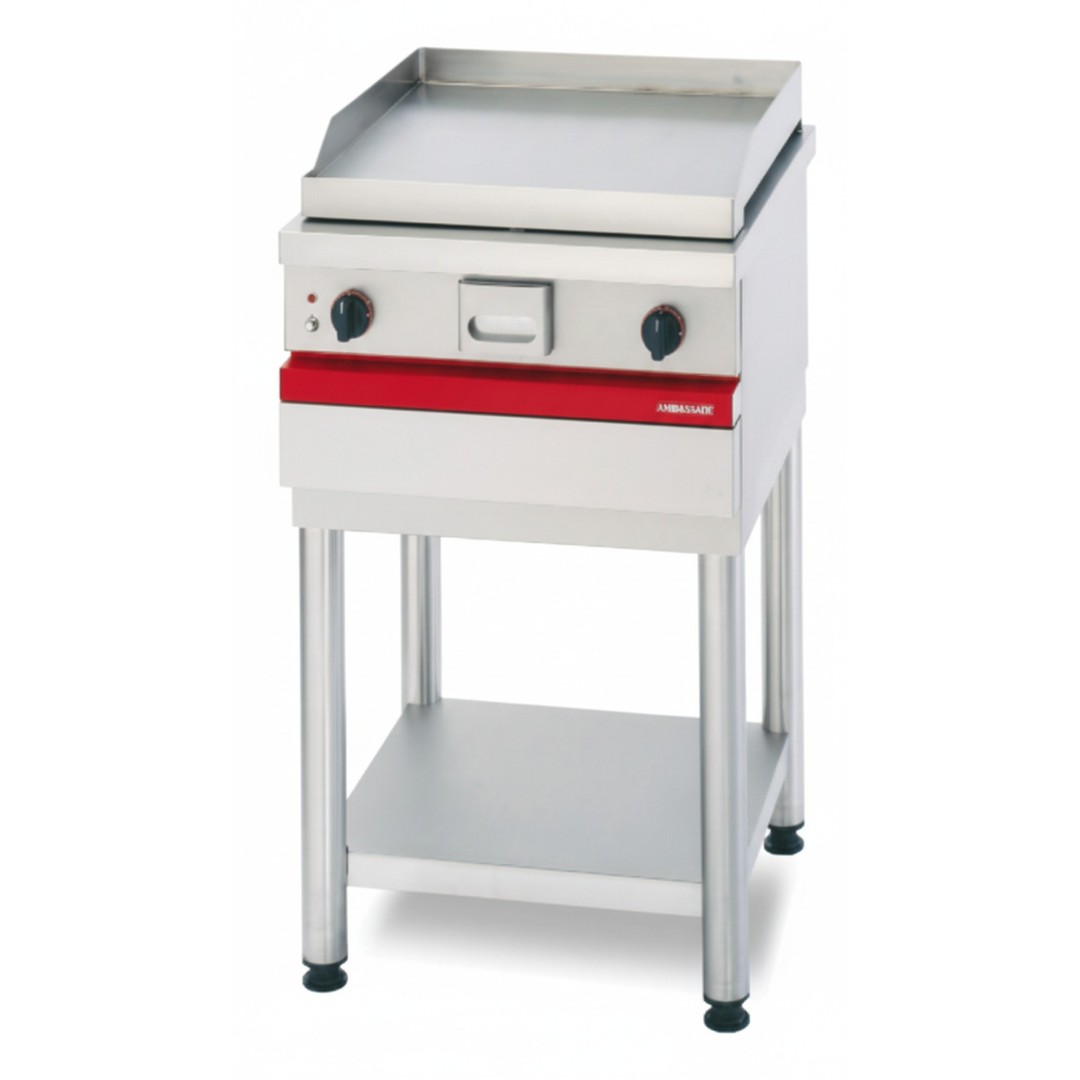
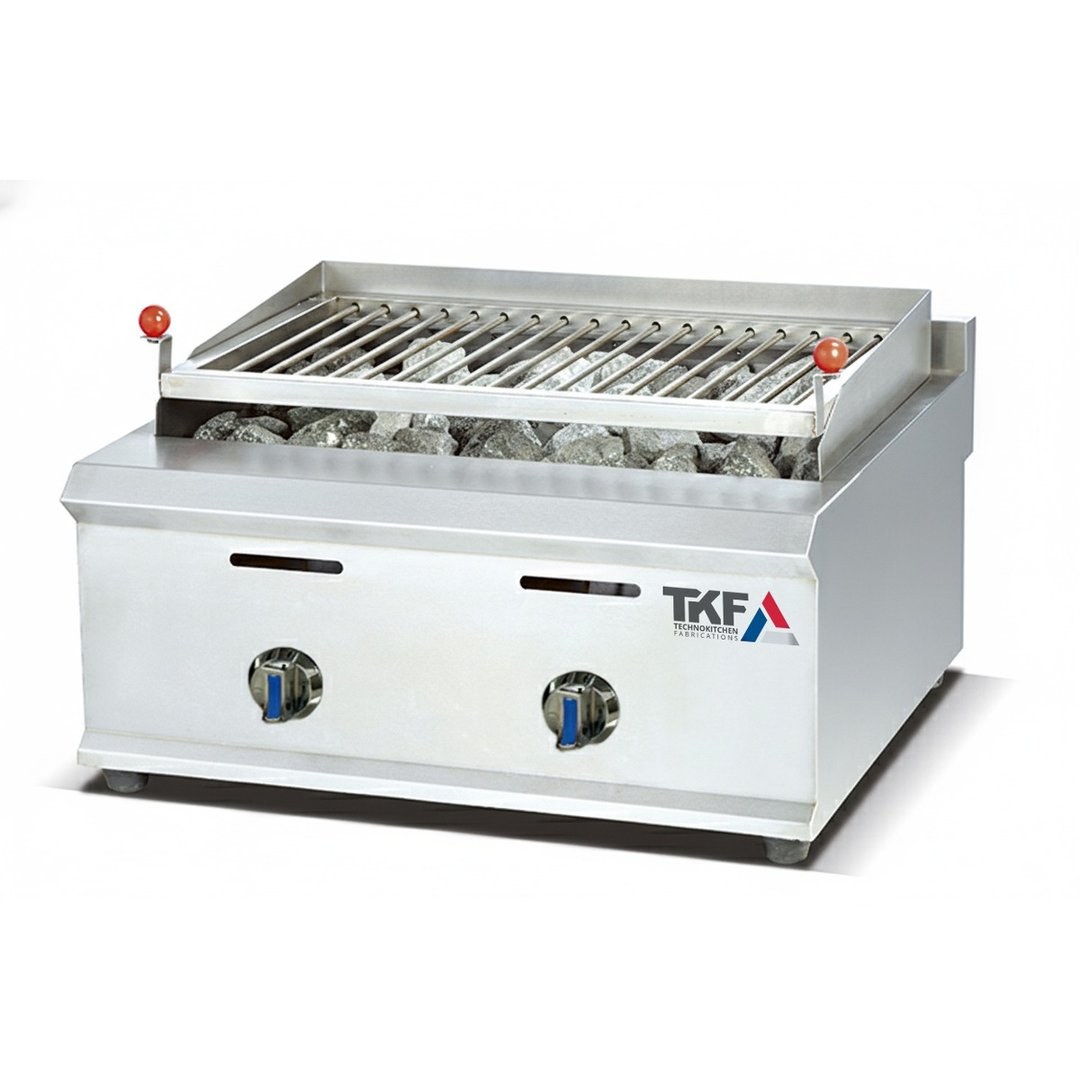
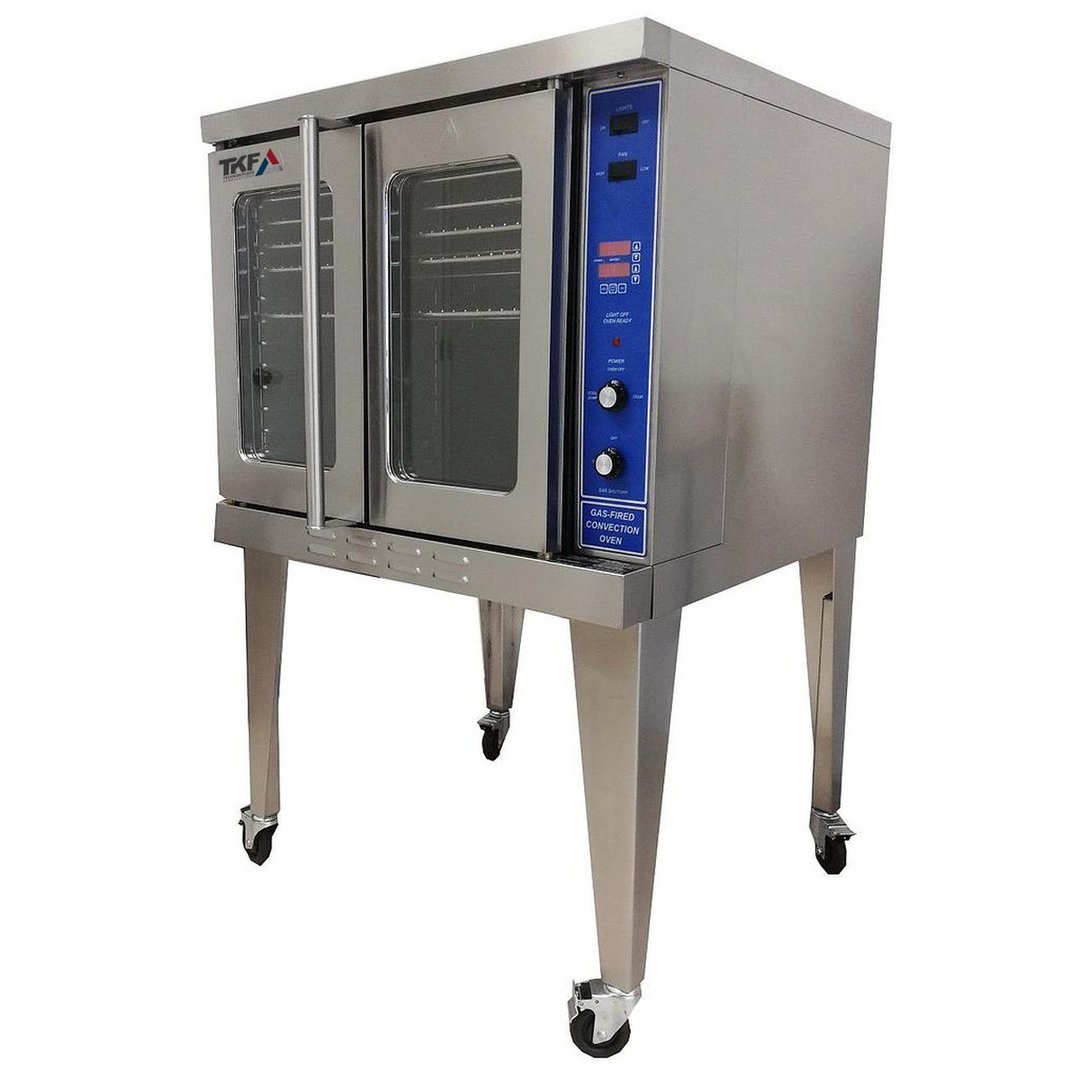
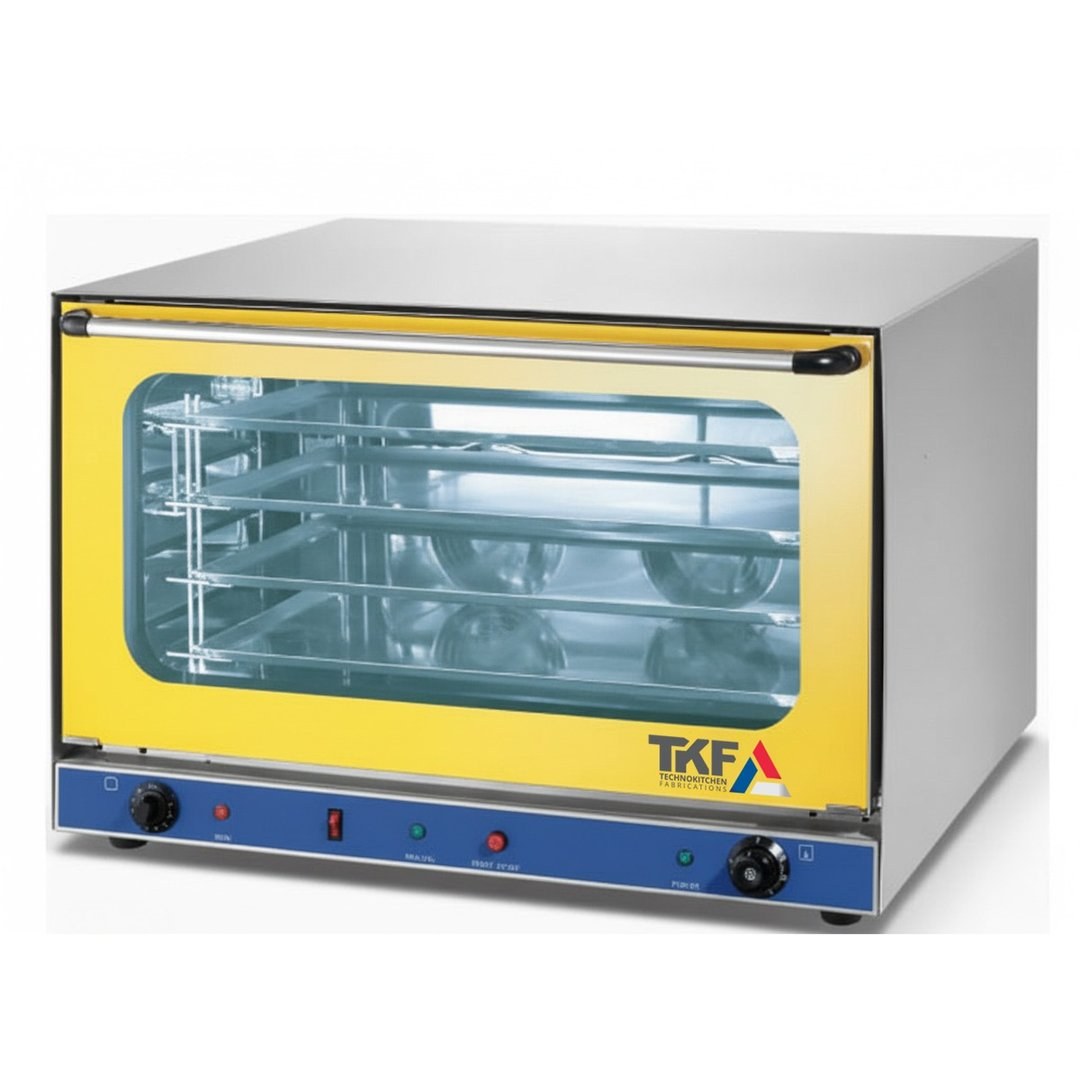
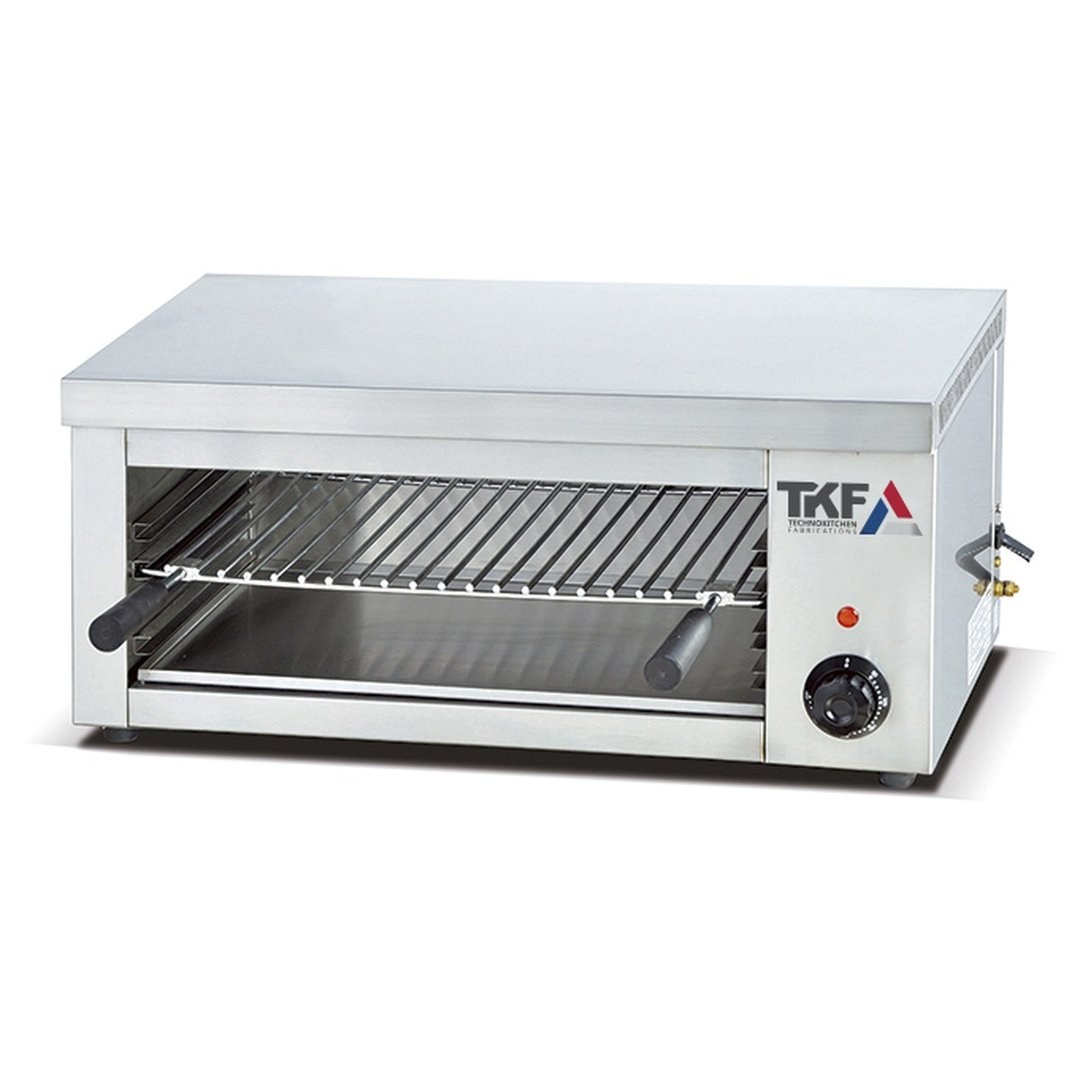
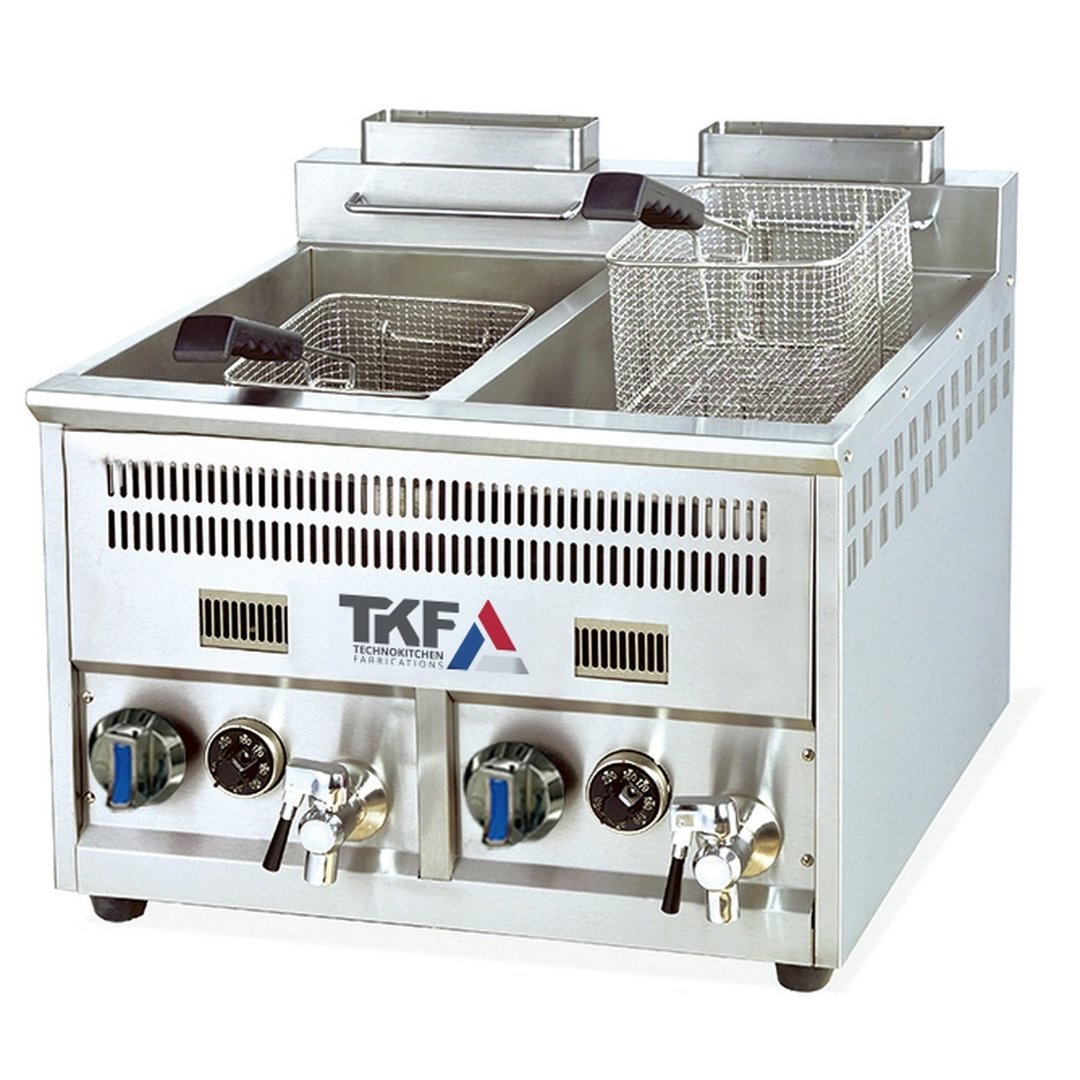
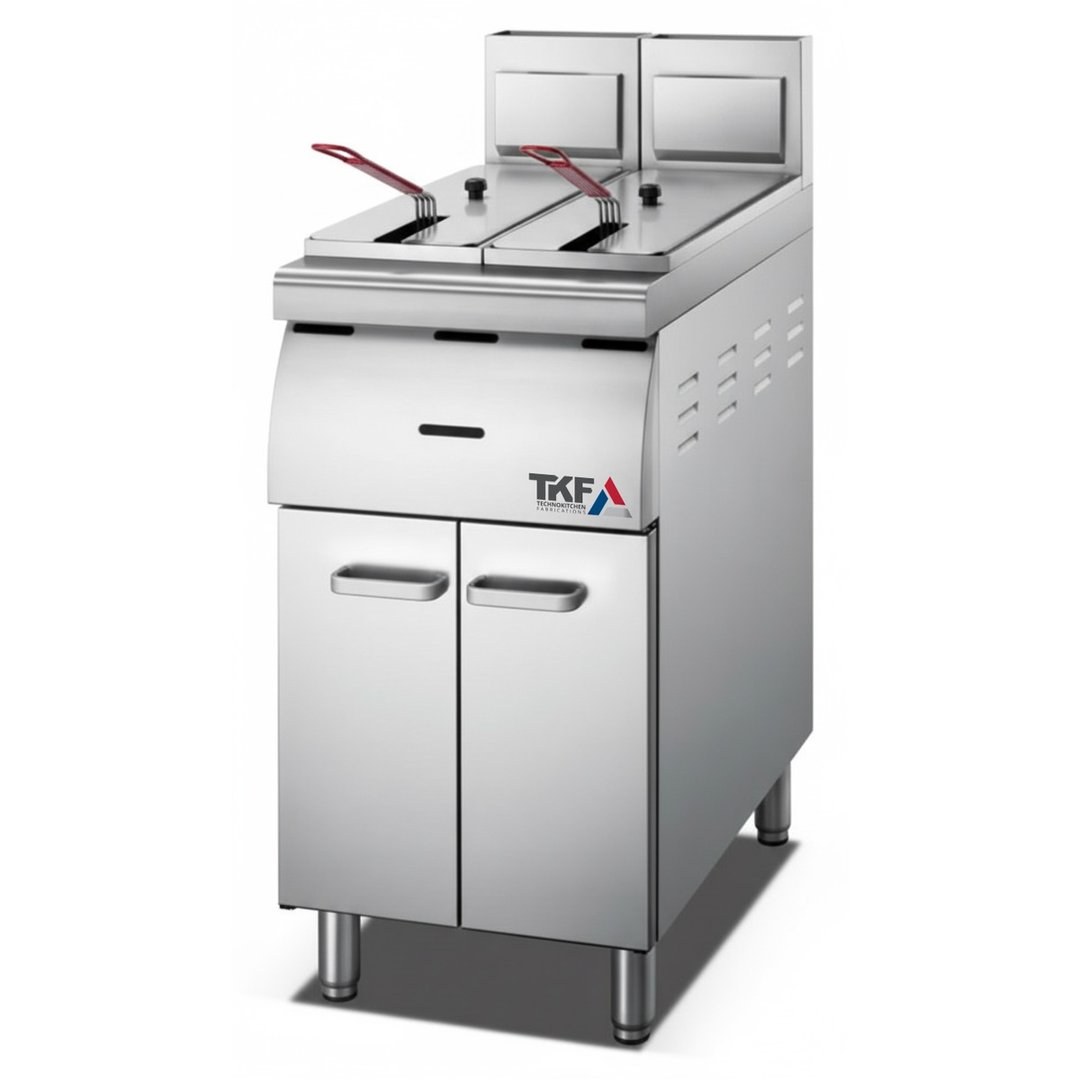
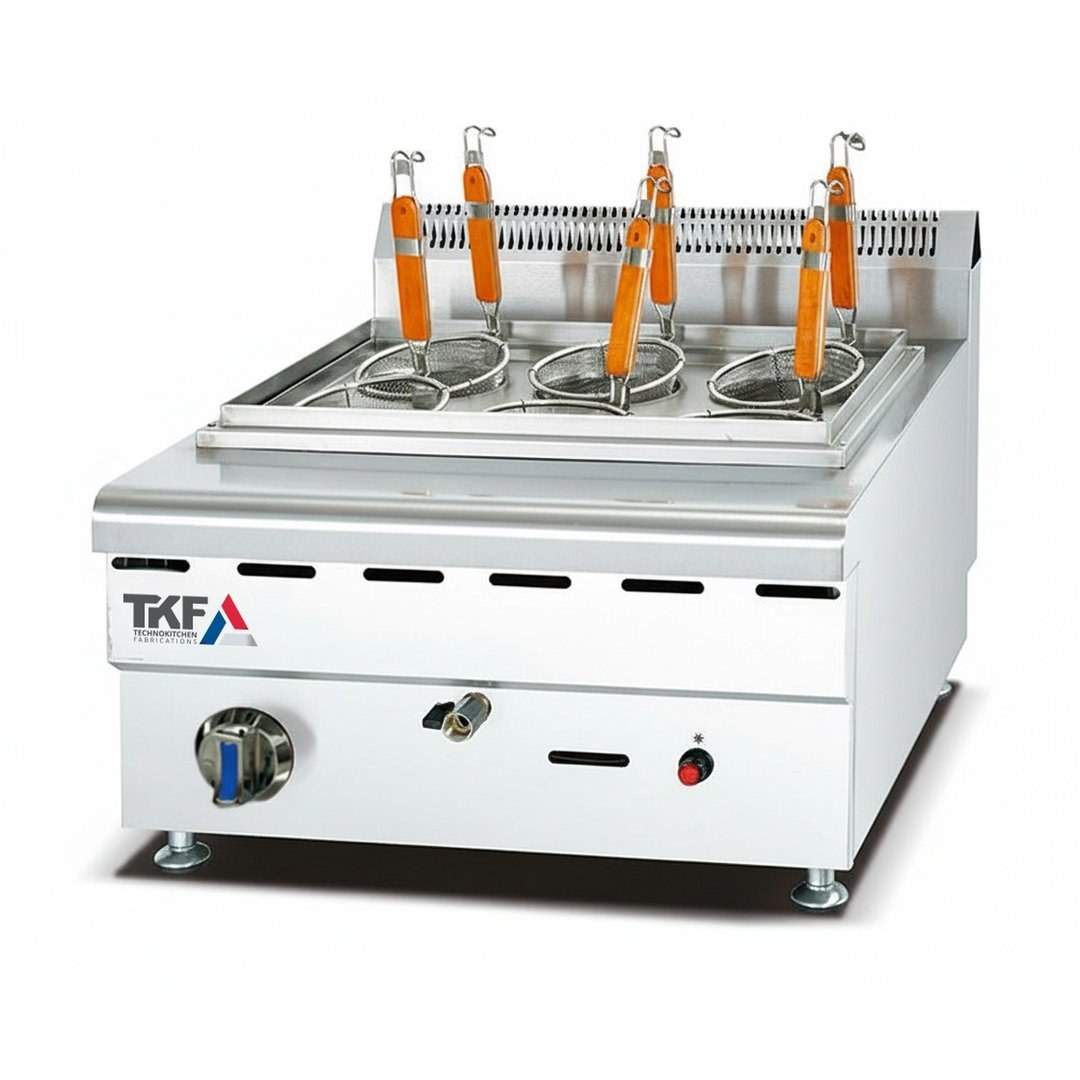
Browse the full Cooking Equipment category — including subcategories for ovens, stoves, grills, fryers, and panini grills — and don't underestimate the value of a good convection or combi oven. For many operators, it replaces three or four pieces of single-function gear.
Station 4: Specialty Stations
If your concept includes a specialty cuisine, you'll need dedicated equipment that's purpose-built for the job. Trying to make a pizza in a convection oven, or a shawarma on a domestic grill, is a fast track to disappointed customers.
Pizza station
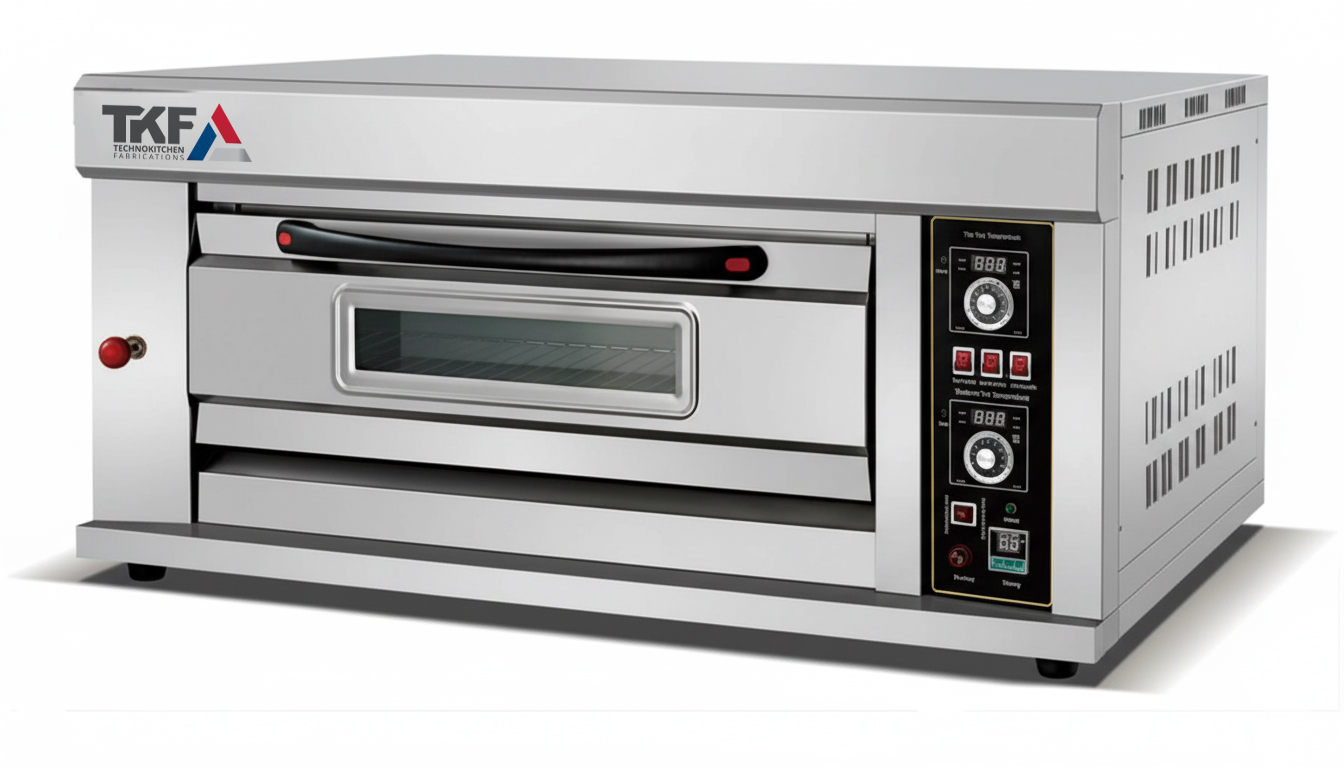
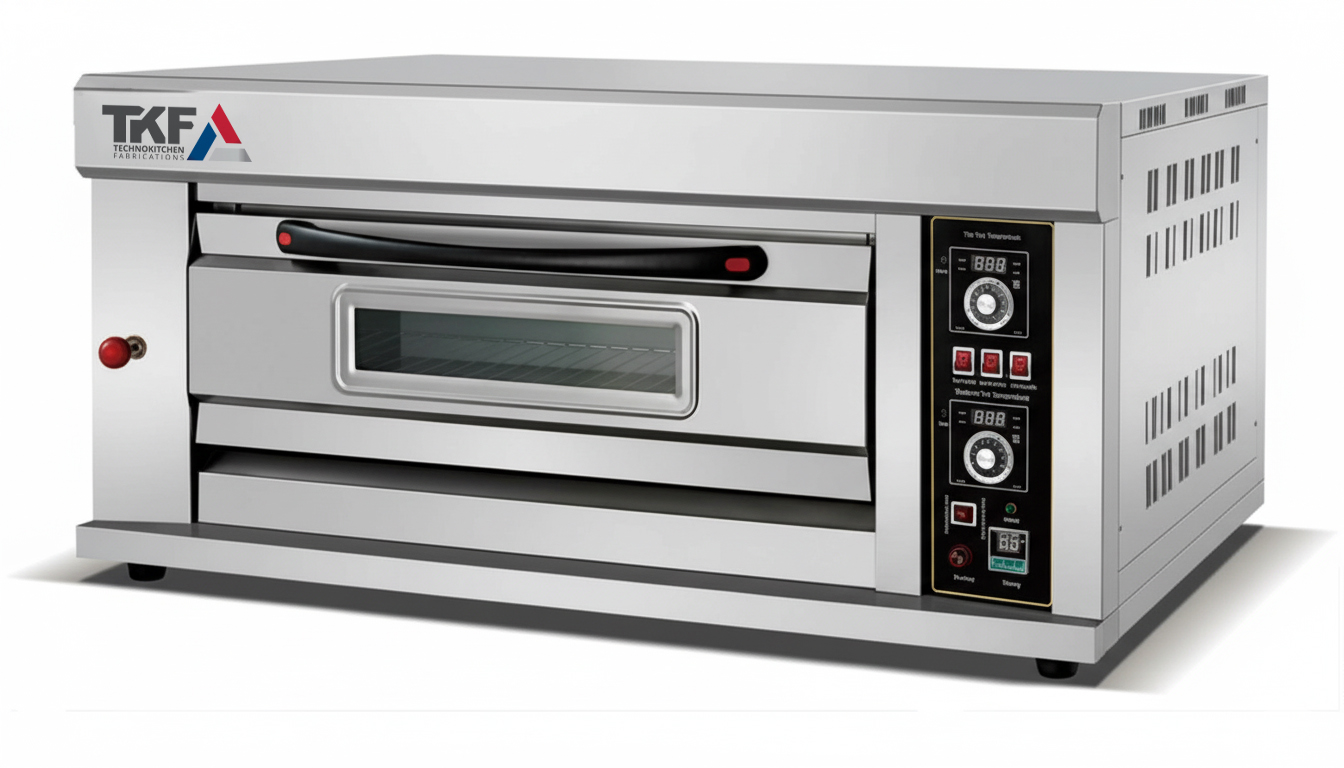
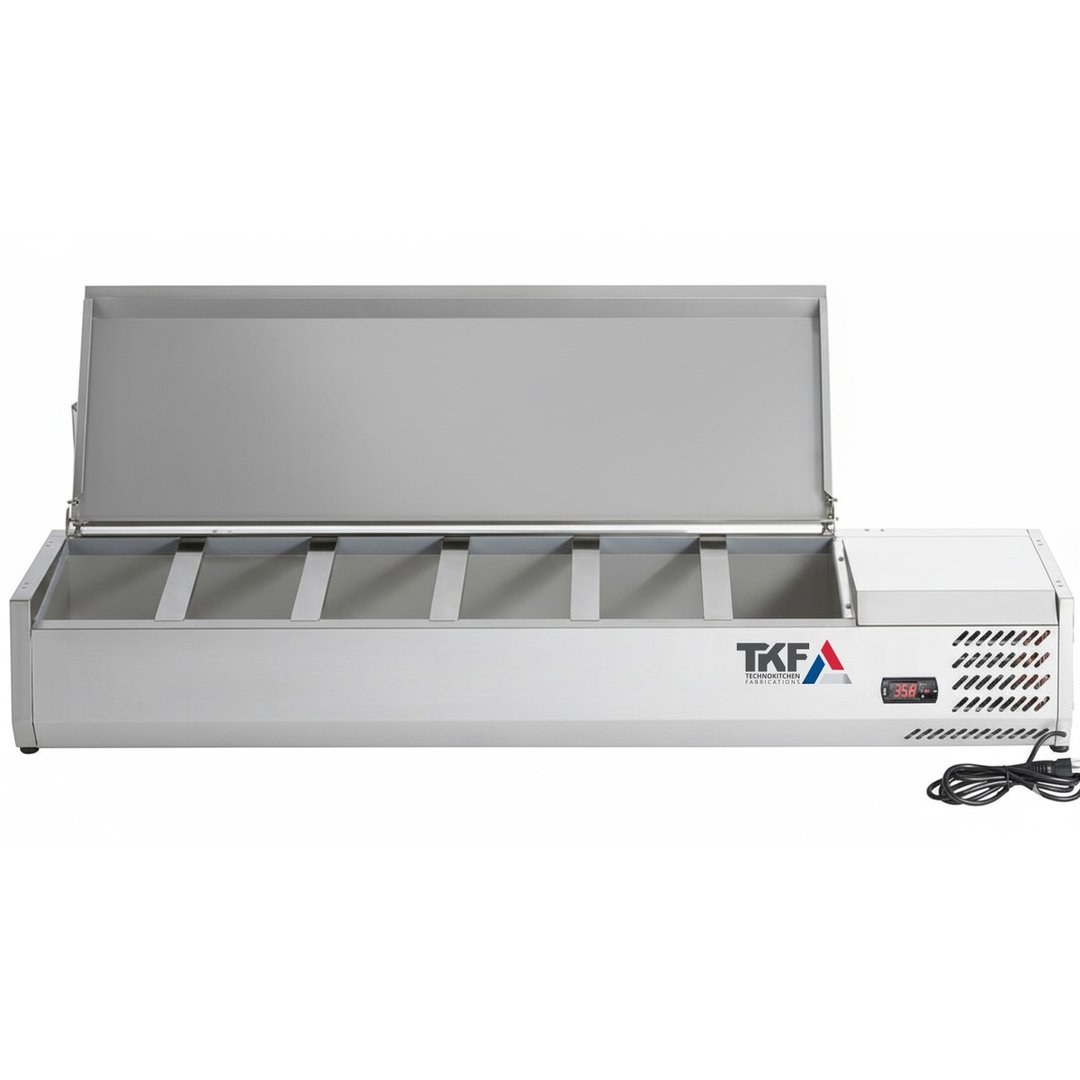
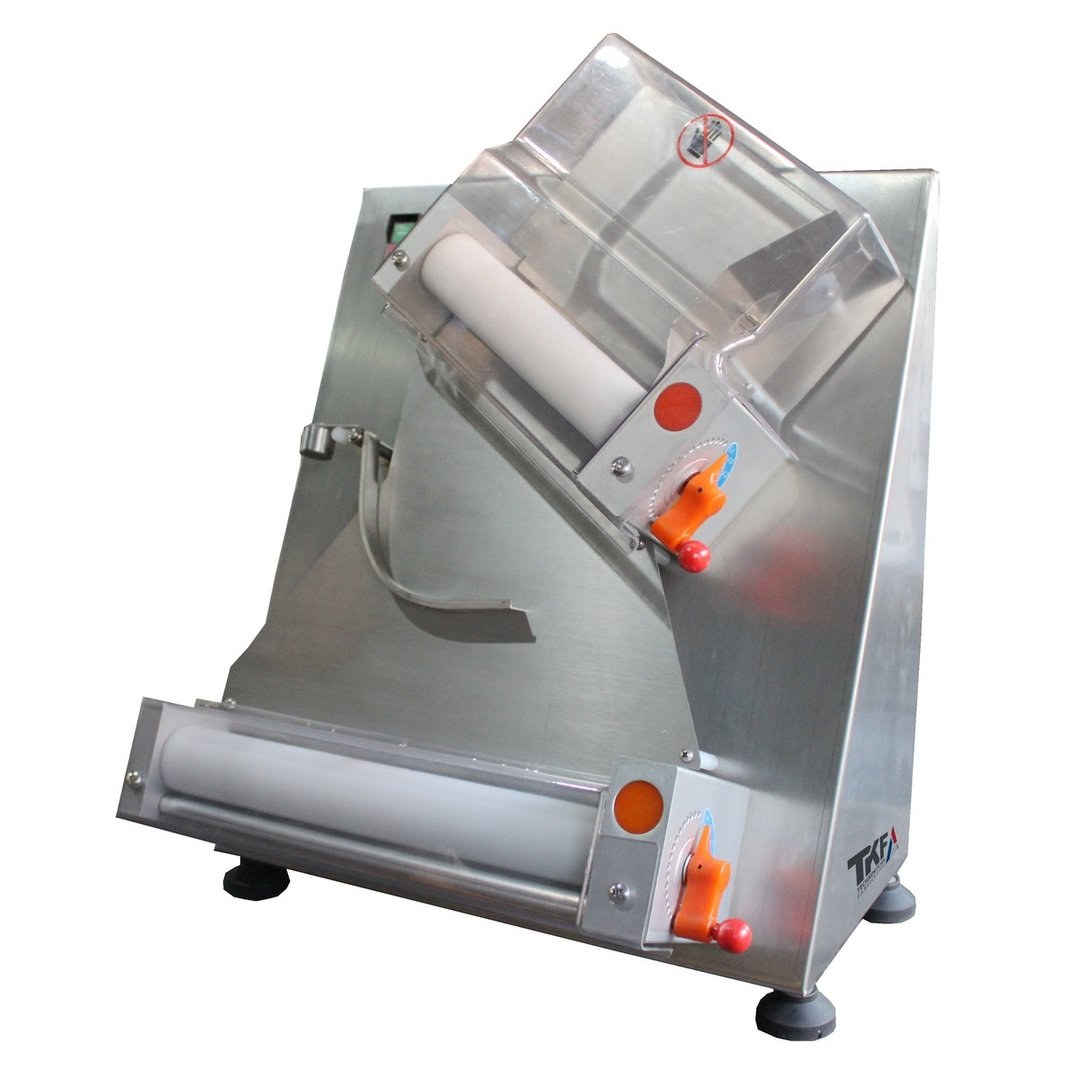
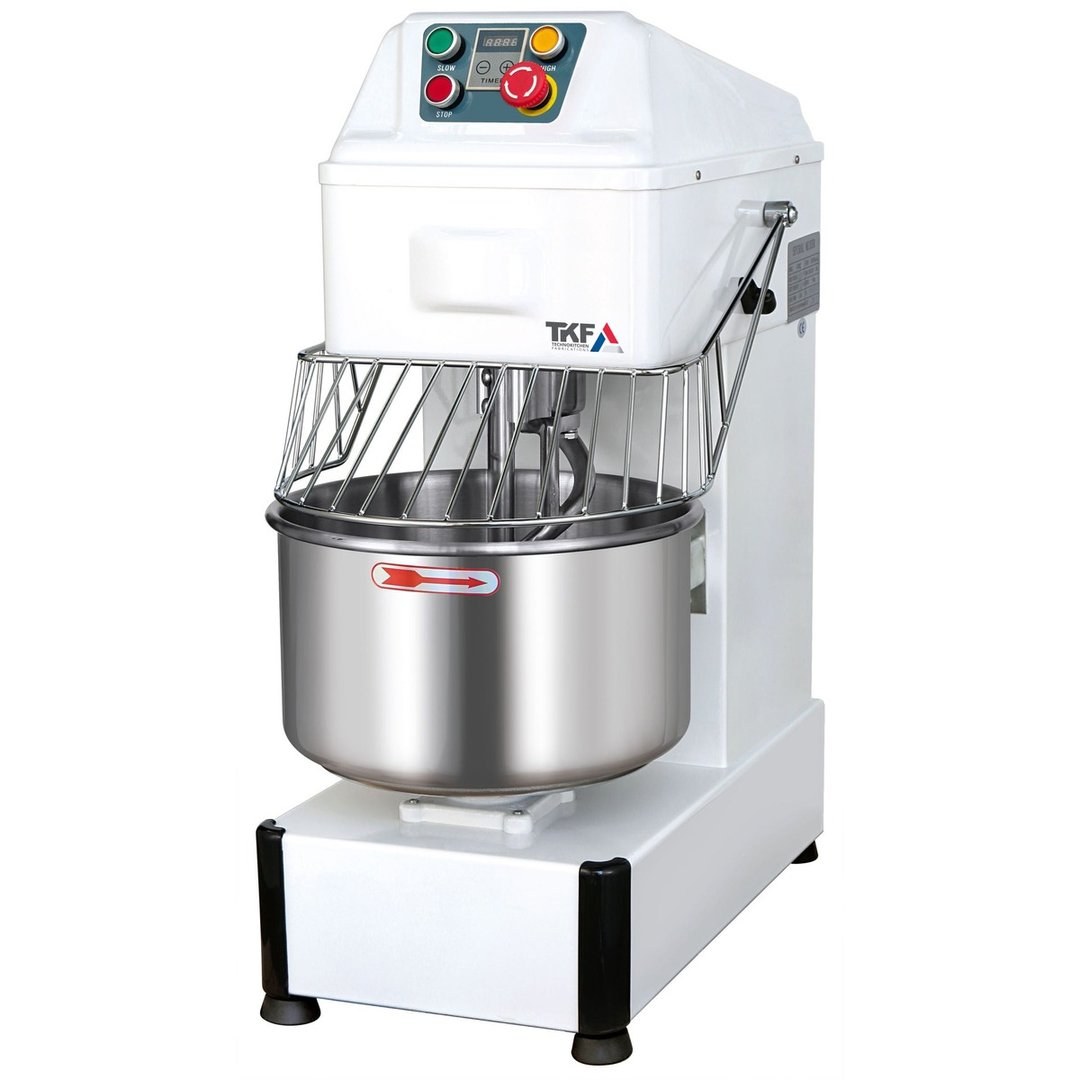
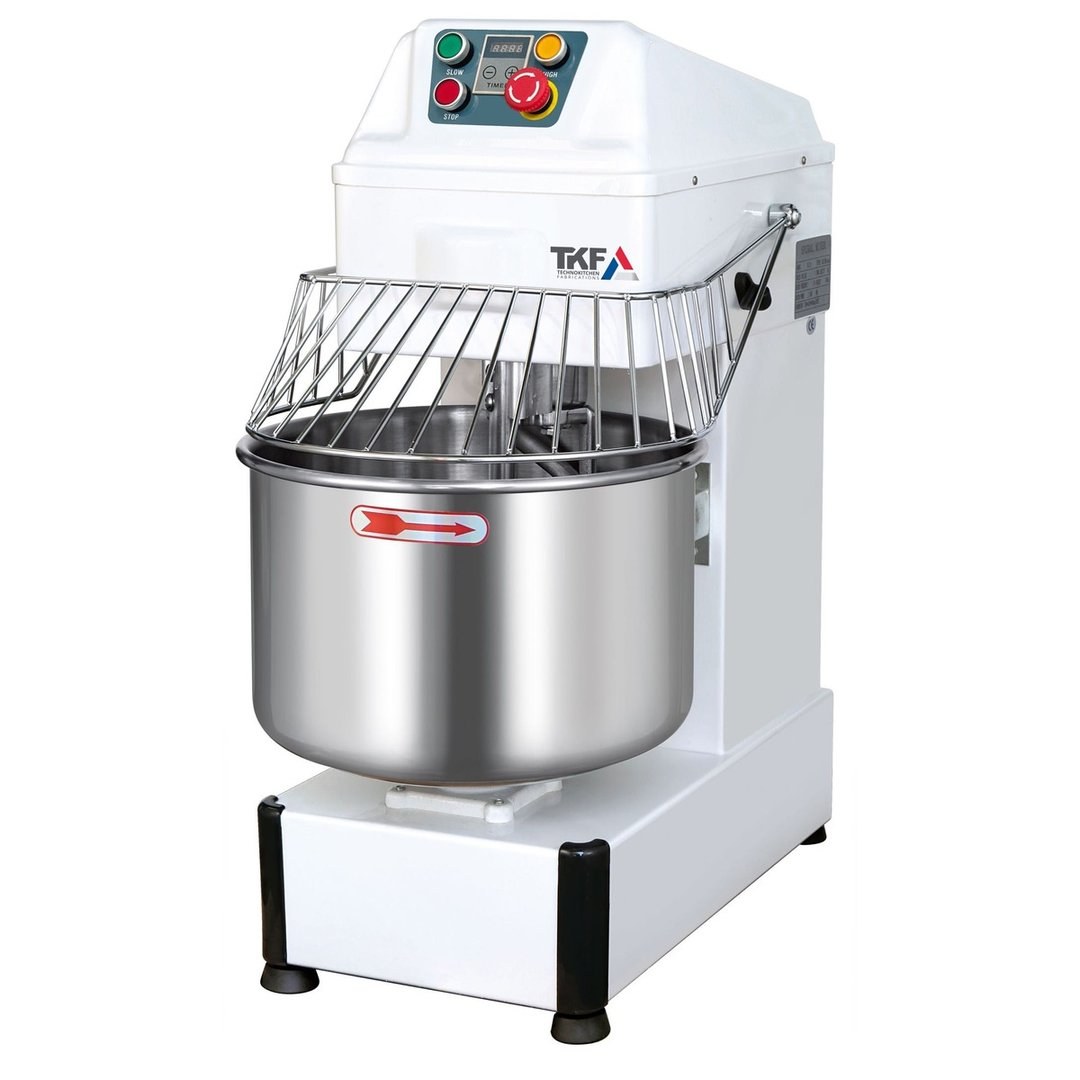
Deck oven (gas or electric) with stone sole reaching 350–400°C, refrigerated pizza prep table, spiral dough mixer, dough sheeter, dough boxes, and pizza peels. Our Pizza Essentials collection has the complete setup — from oven to prep table to tools — in one curated package.
Bakery and pastry station
Convection oven with steam injection, dough sheeter, proofer, planetary mixer, retarder cabinet. STIL and Fischer equipment dominate this station — see our Pastry & Bakery Starter Kit. For traditional Lebanese manoushe production at high volume, a TKF deck oven with stone sole handles 100+ pieces per hour.

Shawarma and grill station
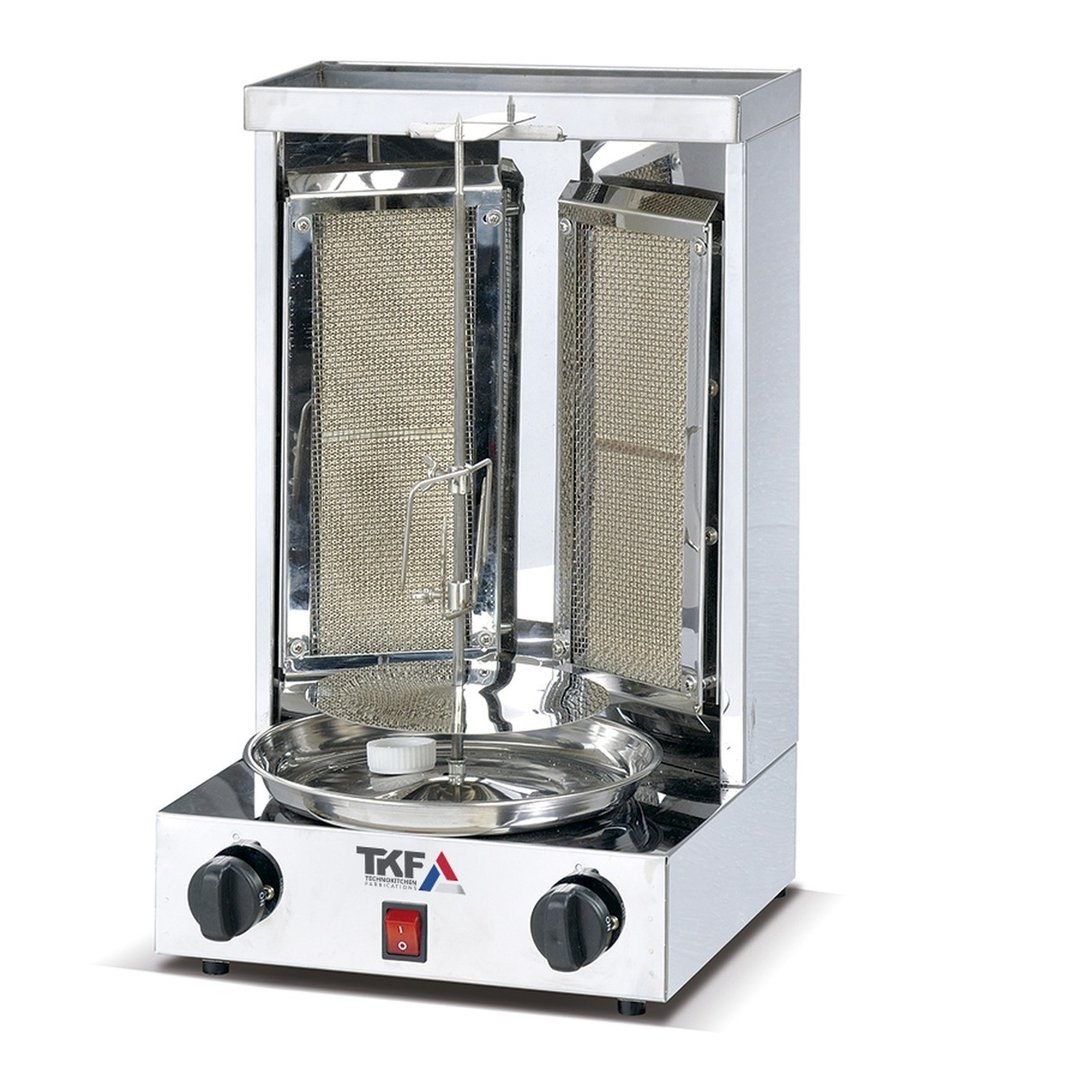
Gas-powered vertical rotisseries (2 to 5 burners), char-grills, and kebab grills — all in the BBQ & Grill Master collection.
Burger station
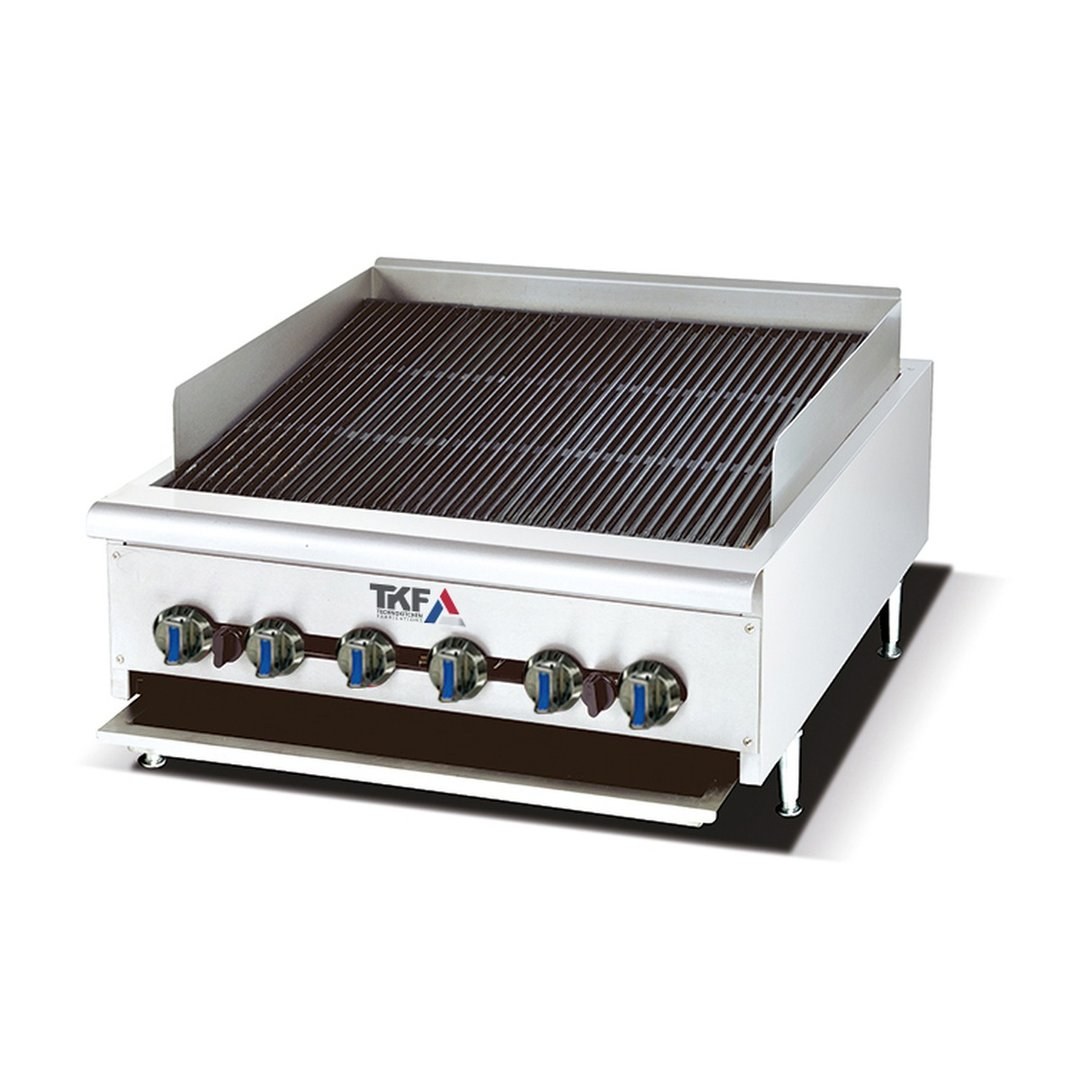
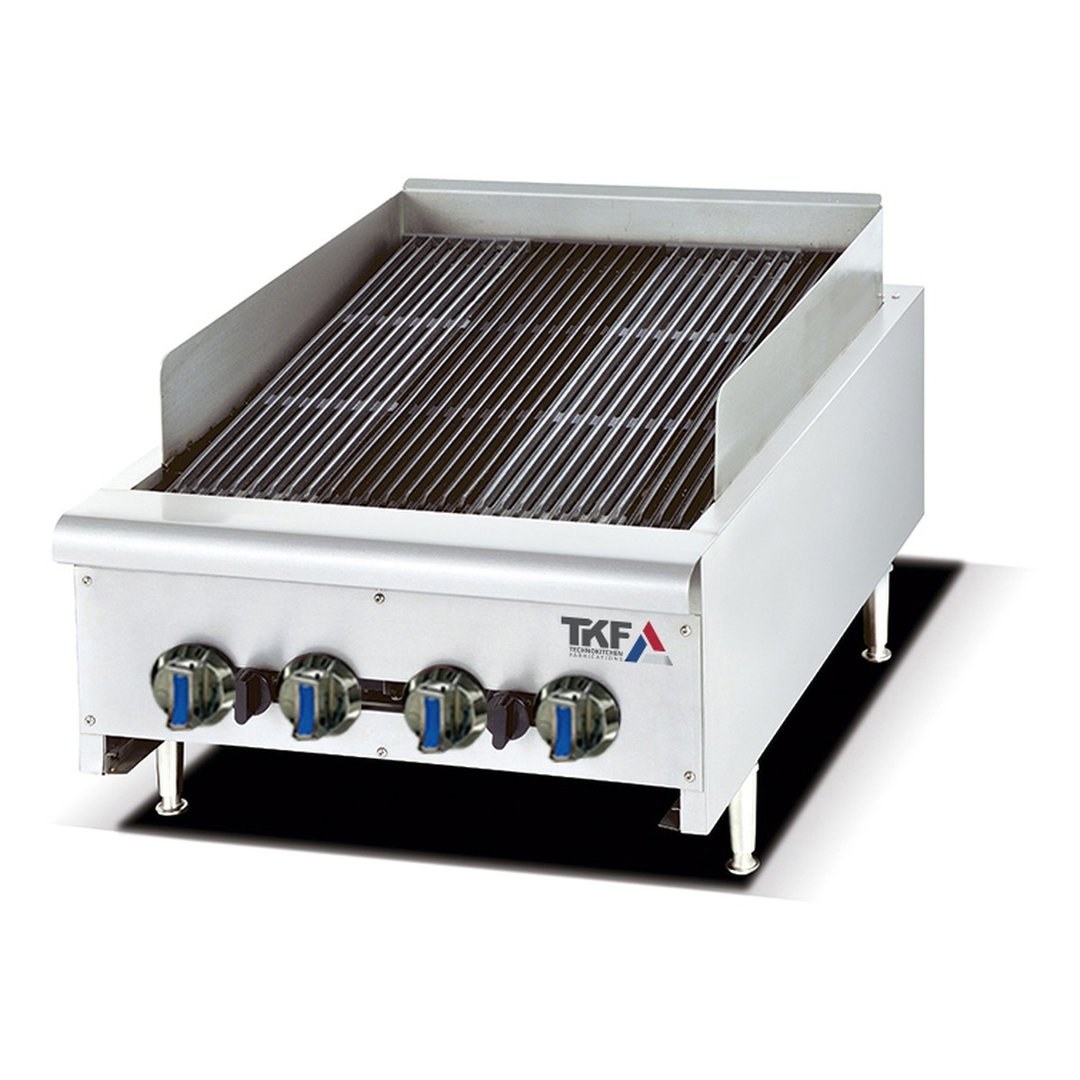
Charbroilers, flat-top griddles, deep fryers, and holding cabinets — our Burger Station Setup covers the complete fast-food grill line.
Fun food and street food
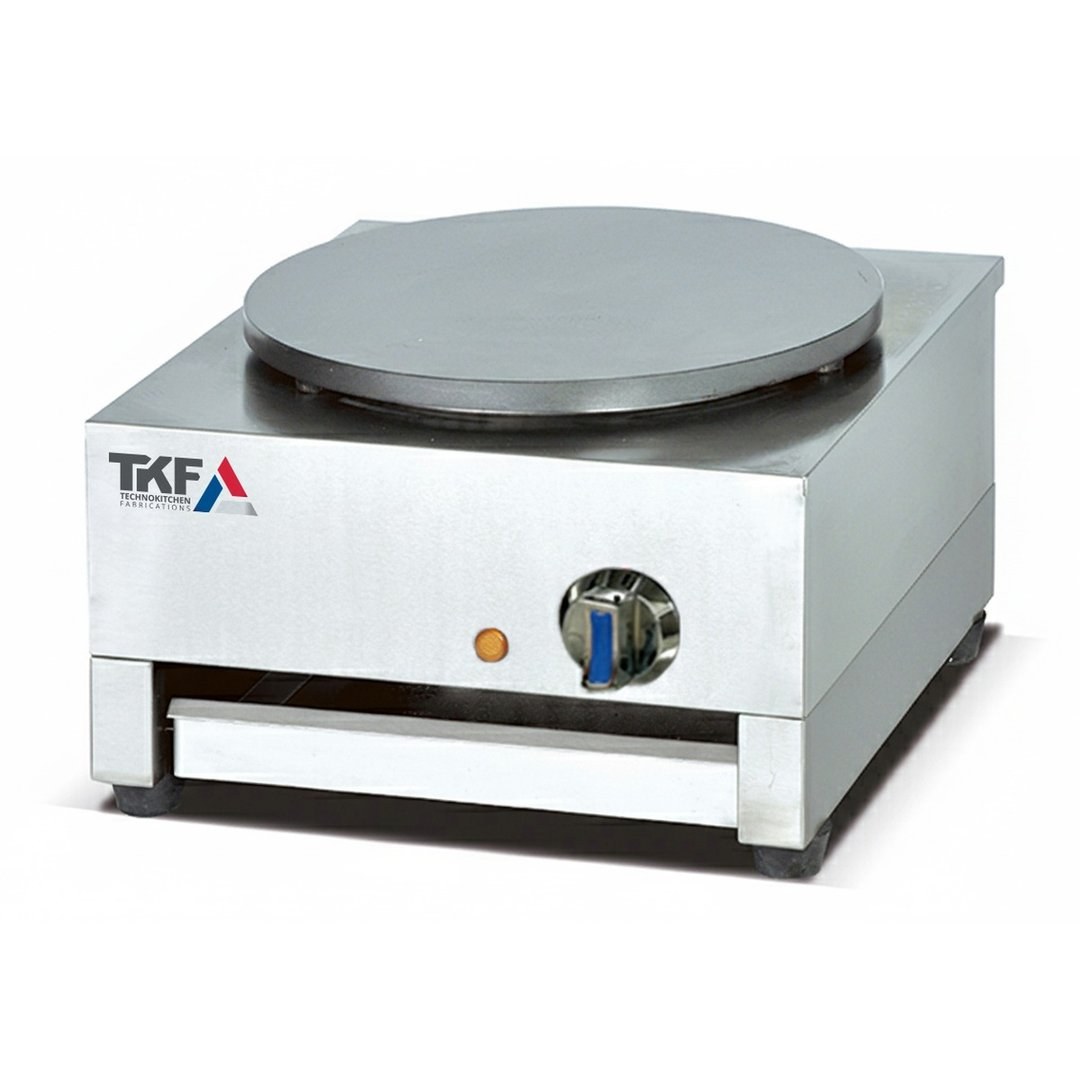
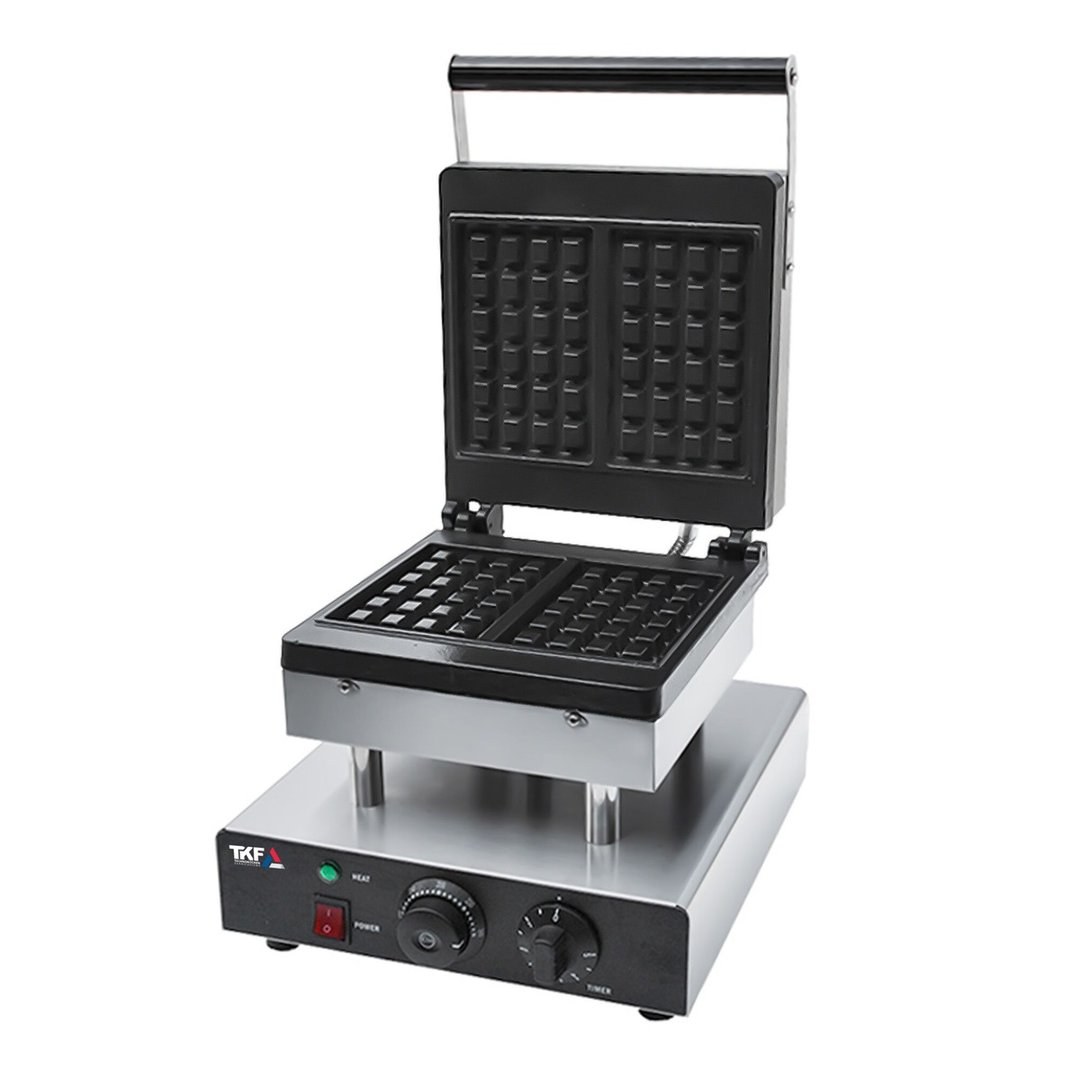
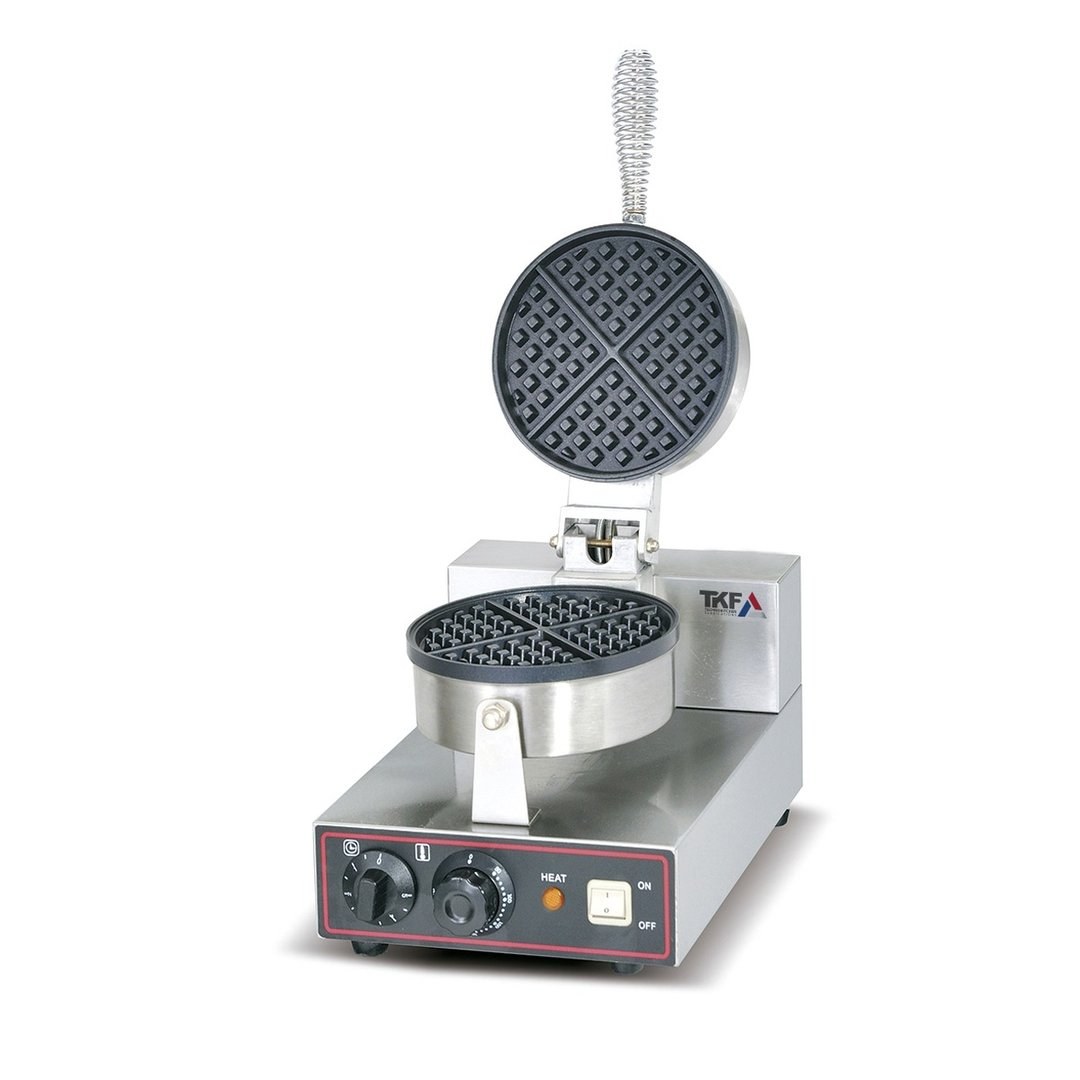
Crepe makers, waffle machines, popcorn machines, and cotton candy machines — see the Street Food & Fun Food collection.
Coffee bar
Commercial espresso machine, grinder, blenders, display refrigerators, and compact cooking equipment — see the Coffee Shop Essentials collection for the complete café package.
Station 5: Dishwashing and Sanitation
Dishwashing isn't glamorous, but a poorly designed dish pit will sink your service. You need throughput that matches your peak covers, plus the right chemistry and water temperature to meet hygiene standards.
Plan for:
- A pre-rinse spray station with a three-compartment sink
- An under-counter, hood-type, or rack conveyor dishwasher sized to your peak service volume — browse our Warewashing category for commercial dishwasher racks and accessories
- A separate glasswasher if you have a bar or high glassware turnover — also essential for the bar station
- Dish racks, drying shelves, and proper chemical storage
Station 6: Service, Holding, and Front of House
The bridge between kitchen and customer is where many restaurants lose food quality. Holding equipment keeps food at safe, appetizing temperatures while it waits for the runner.
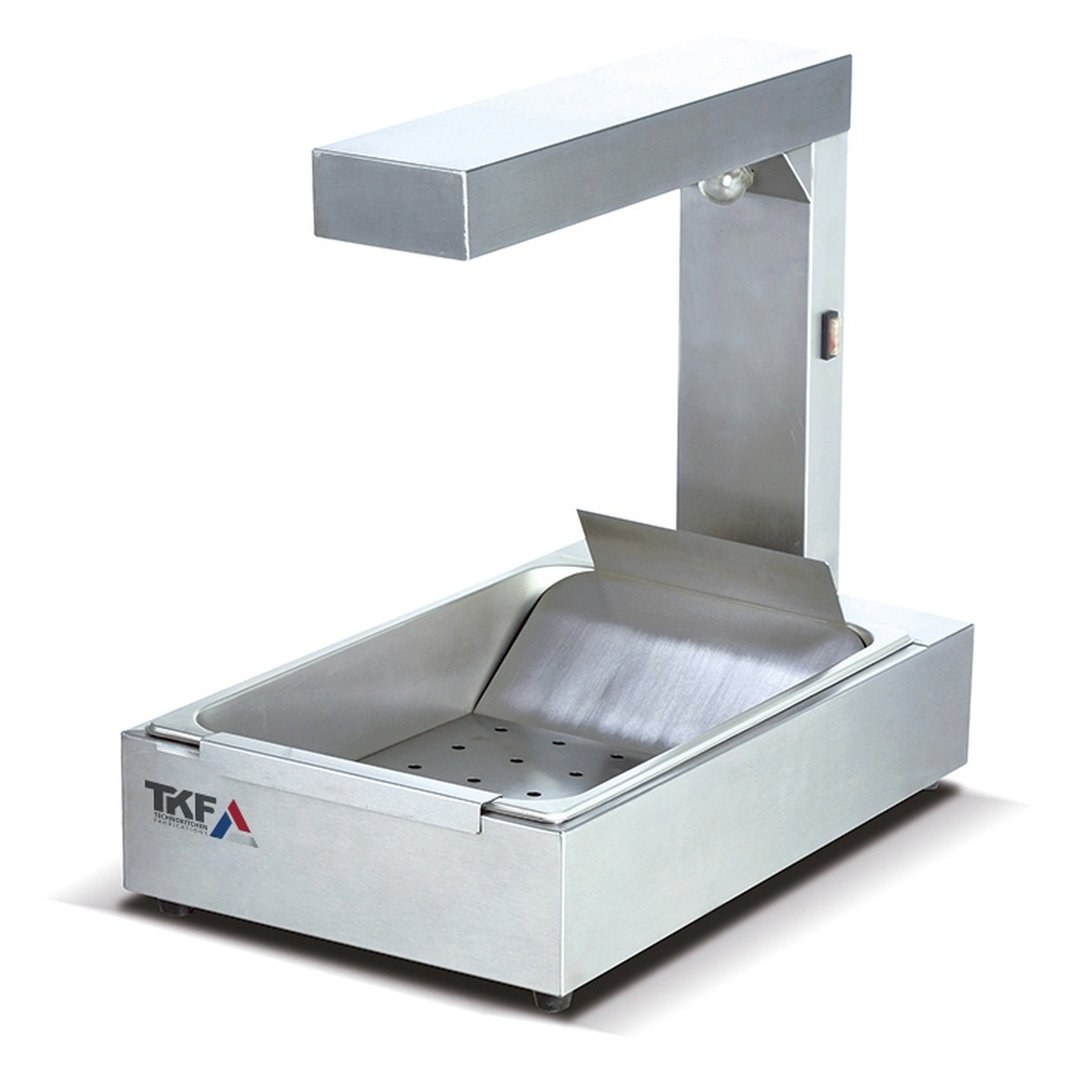
- Heat lamps and pass-through warmers
- Hot holding cabinets for banquets and busy services
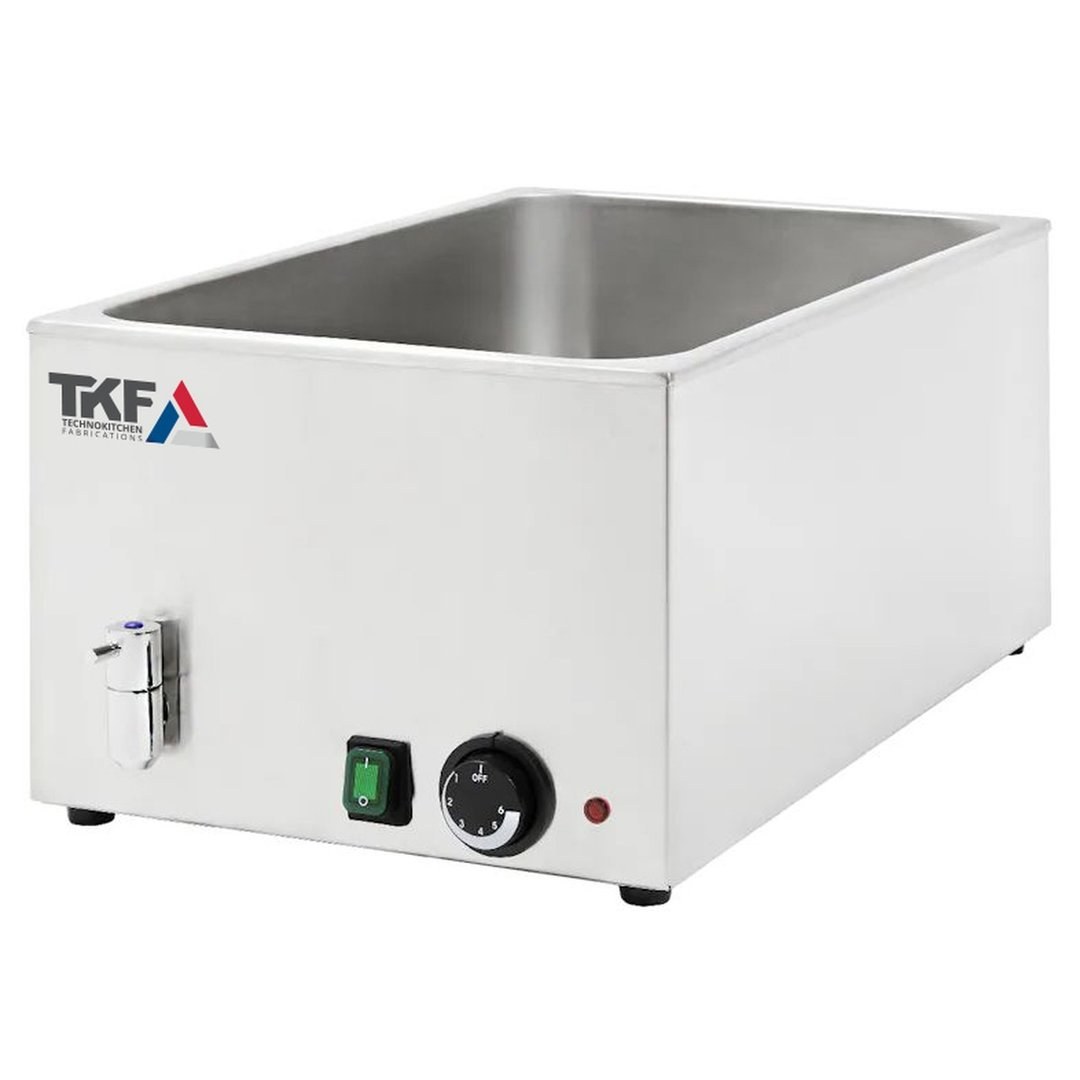
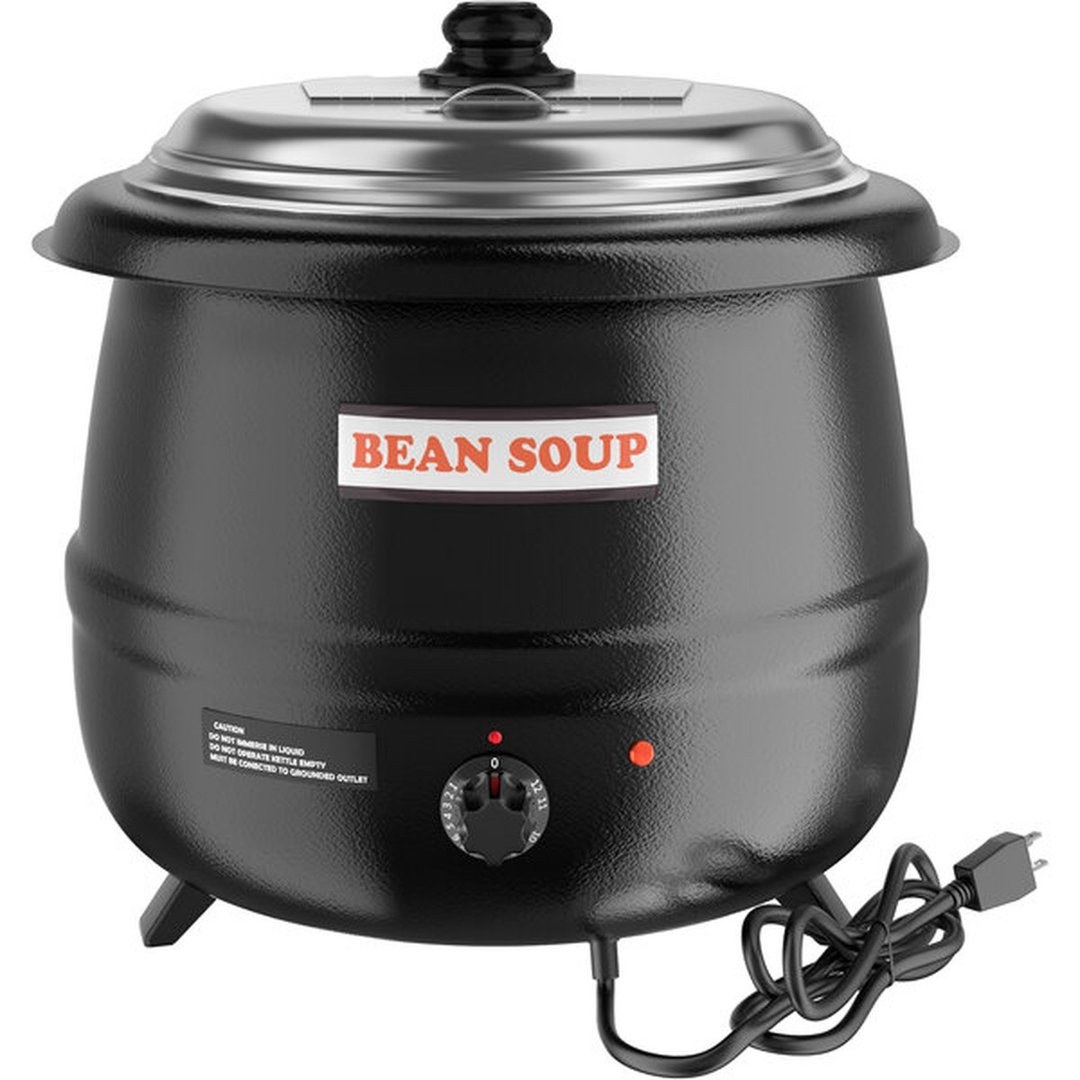
- Bain-maries and soup wells for buffet or quick-service formats
- Refrigerated display cases for desserts, salads, or grab-and-go — see our refrigeration category for pastry display refrigerators and counter display models
- Ice machines — count on roughly 0.5 kg of ice per cover per day as a baseline. In Lebanon's hot climate, add 20% extra capacity
Don't Forget: Ventilation, Utilities, and Small Wares
The equipment you don't see on the menu still costs real money. Hood systems with proper extraction and make-up air are mandatory for safety and code compliance. Our Stainless Steel Kitchen Build collection includes custom exhaust hoods fabricated to your kitchen dimensions. Gas lines, electrical capacity (three-phase for most heavy equipment), and grease traps all need to be planned with your contractor and equipment supplier together — not separately.
And then there's the long tail of small wares and precision tools:
- GN pans, sheet trays, and baking accessories — see our Cookware category for gastronorms and pots & pans
- Professional knives and sharpening steels — our Chef's Knife Collection features the full Fischer France range, including HACCP color-coded handles
- Digital probe thermometers, precision scales, kitchen timers — the Precision Tools collection covers everything from ±0.5°C HACCP thermometers to 1g bakery scales
- Color-coded cutting boards, sanitization supplies, and HACCP wall charts — our Food Safety & HACCP Kit follows international color-coding standards (red for meat, blue for fish, green for vegetables, yellow for poultry)
- Catering utensils, tongs, ladles, and kitchen tools — browse the Catering Tools category
- Food storage containers, kitchen organization — see our Storage category

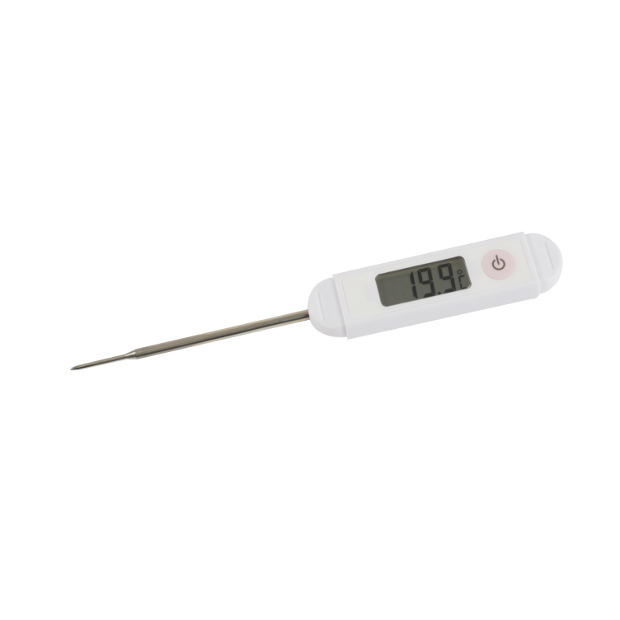

Budget 8–12% of your equipment spend for smallwares. New operators almost always underestimate this line item.
How to Actually Buy: Our Advice After 45 Years
A few hard-earned principles we share with every new client:
- Buy CE-marked equipment from reputable European brands. The upfront cost is higher, but the lifecycle cost is dramatically lower. We carry over 20 trusted brands at IPEC — including TKF, Fischer France, STIL, Ambassade de Bourgogne, Roller Grill, and Hatco. See our full brand directory.
- Insist on professional installation. A combi oven installed incorrectly will fail within a year. Our installation team handles gas, water, electrical, and ventilation in one coordinated job.
- Plan for service and parts availability. An imported piece of equipment is only as good as the after-sales support behind it. IPEC stocks spare parts locally at our Zouk Mosbeh facility — you never need to wait for international shipping on repairs.
- Don't over-buy. Right-size your equipment to your menu and projected covers. Oversized gear wastes energy, space, and capital. Our kitchen design consultation helps you get this right from day one.
- Consider generator compatibility. Every piece of equipment you buy needs to work reliably on both grid power and generator backup. All our commercial equipment runs on 220V/380V and features auto-restart after power cuts — essential for Lebanese operations.
Frequently Asked Questions
What's the most important piece of equipment for a new restaurant?
For most modern full-service concepts, the combi or convection oven delivers the highest return on investment. It can steam, roast, bake, grill, and regenerate, often replacing three or four single-function units while improving consistency. TKF gas convection ovens are our top recommendation — they offer programmable recipes and self-cleaning for the daily demands of restaurant production.
How much should I budget for kitchen equipment in Lebanon?
It varies by concept and size. A small café or coffee shop might need USD 10,000–20,000 (see our Coffee Shop Essentials), while a mid-sized full-service restaurant (60–100 covers) typically falls between USD 30,000 and USD 80,000 including refrigeration, cooking line, and smallwares. Large hotel kitchens and high-volume operations can reach USD 150,000–250,000. A free consultation with our team will give you an accurate number for your specific space and menu.
Can I buy used commercial kitchen equipment?
You can, but proceed with caution. Refrigeration and combi ovens, in particular, often have hidden wear that becomes expensive within months. If you do buy used, focus on simple, durable items like stainless steel tables and shelving (see our stainless steel collection), and buy your cooking and refrigeration equipment new with warranty.
How long does it take to fully equip a restaurant kitchen?
From order to commissioning, plan on 2–6 weeks for most setups. Stock items ship within 3–5 business days from our Zouk Mosbeh warehouse. Custom or imported items may take 4–6 weeks. Starting the equipment conversation early — ideally as soon as your floor plan is drafted — is the single best thing you can do to avoid opening delays.
Do your equipment work with generators during power outages?
Yes. All our commercial equipment runs on standard 220V/380V and is compatible with generator power. We recommend voltage stabilizers for sensitive electronics like combi ovens and blast chillers. Our team can calculate your total electrical load and help you plan generator capacity.
Do you deliver and install outside Beirut?
We deliver and install across all of Lebanon — Tripoli, Sidon, Zahle, Batroun, Jounieh, and every region in between. Large equipment like cold rooms includes professional installation with electrical connections, drainage, and commissioning. Delivery time is typically 3–7 business days depending on your location.
Ready to Build Your Kitchen?
Every restaurant is different, and a checklist is only the starting point. The real value comes from sitting down with someone who has equipped hundreds of kitchens like yours and can tell you what will actually work for your concept, your space, and your budget.
That's what we do at IPEC. Start by browsing the collections most relevant to your concept:
- Restaurant Kitchen Setup — complete equipment from cooking to warewashing
- New Kitchen Starter Pack — curated essentials for first-time operators
- Hotel Kitchen Essentials — industrial-grade equipment for high-volume hospitality
- Cloud Kitchen Starter — compact equipment for delivery-focused operations
Or visit our restaurant solutions page to see how we support operators across Lebanon and the MENA region. Get in touch with our team for a free consultation on your project — send us a WhatsApp message with your concept and floor plan, and receive a detailed equipment proposal within one hour.